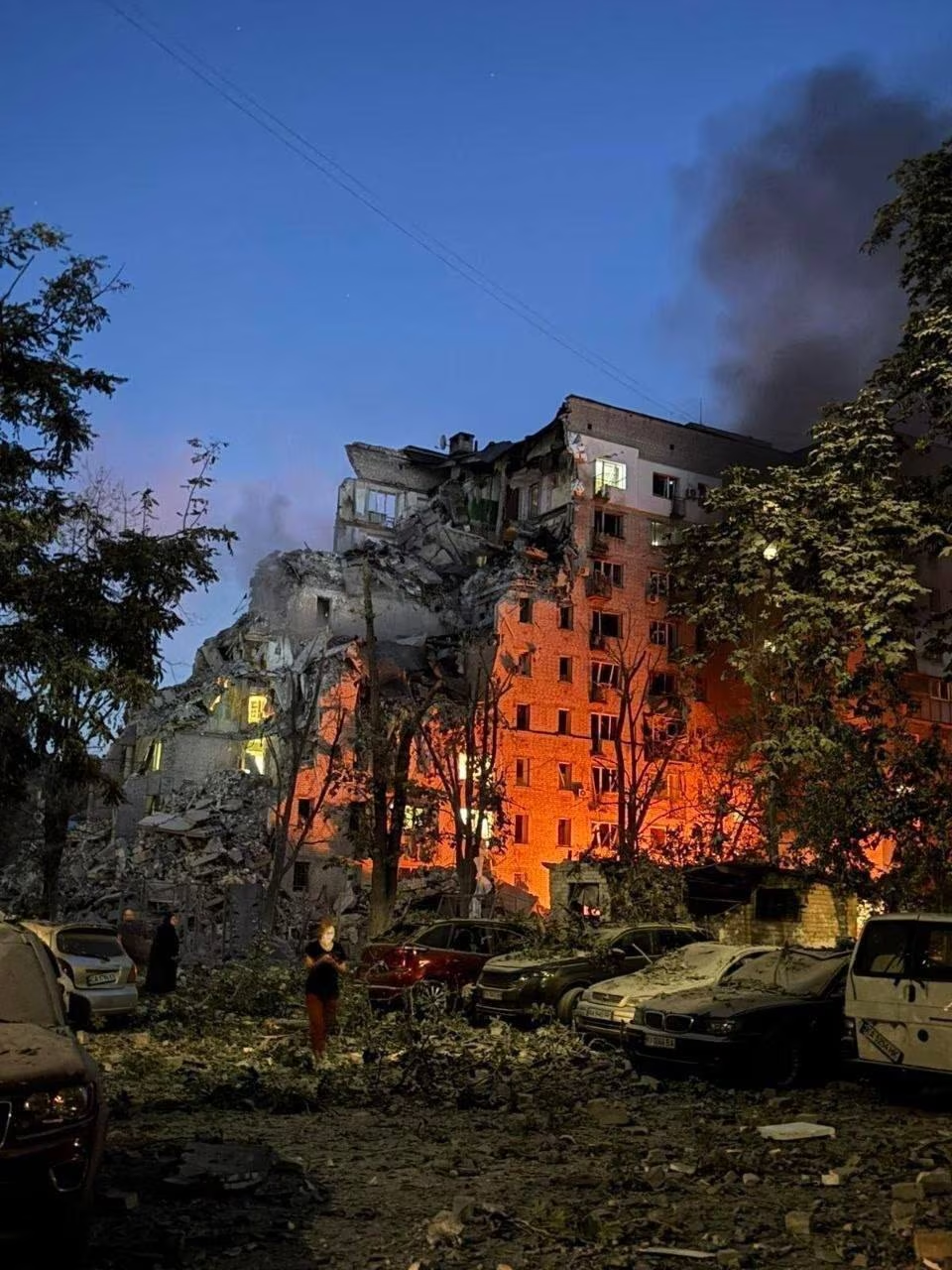
According to the State Emergency Service, the consequences of the strike were recorded at more than 30 locations in all districts of the capital.
In the Darnytskyi district, several apartment buildings and private houses were damaged. In the Shevchenkivskyi district, a five-story building was destroyed, and a residential building, a hotel and a non-residential building caught fire.
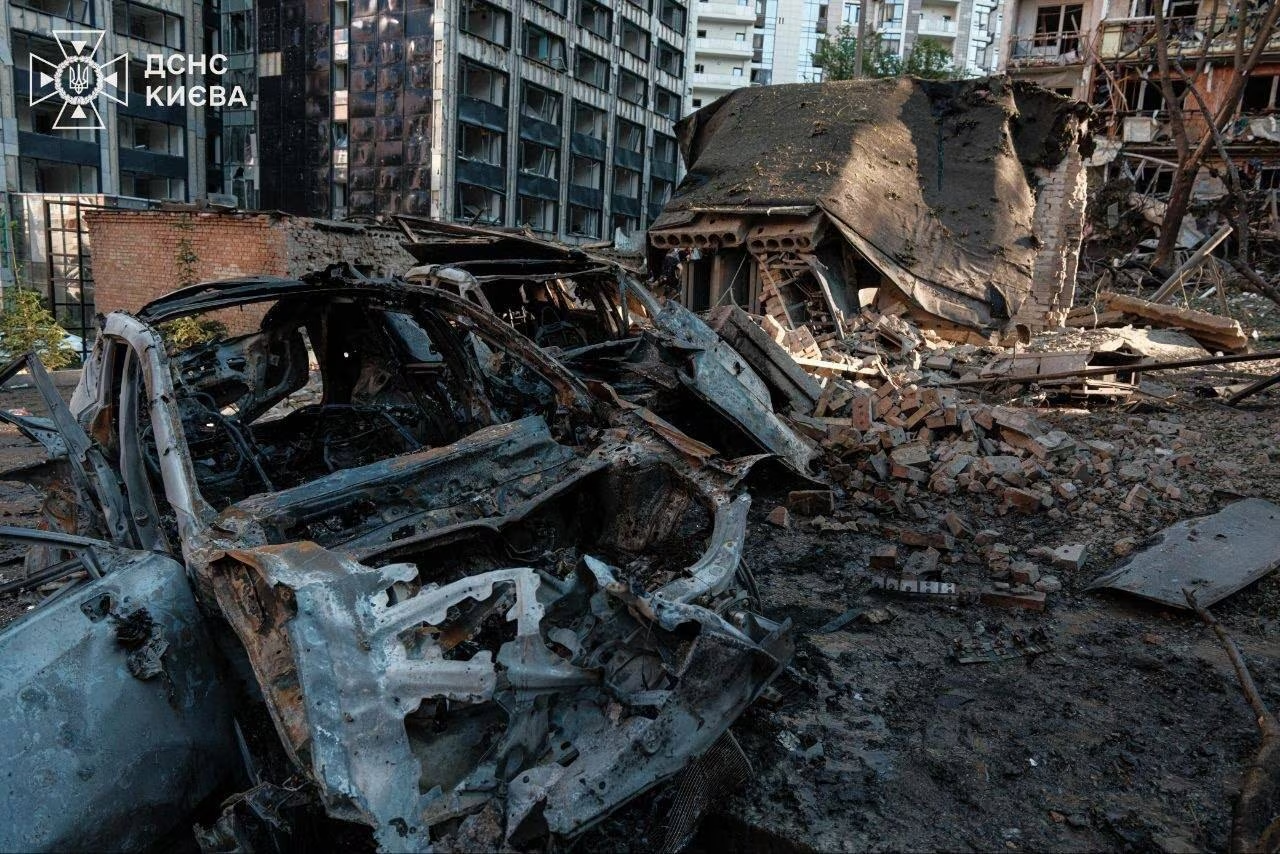
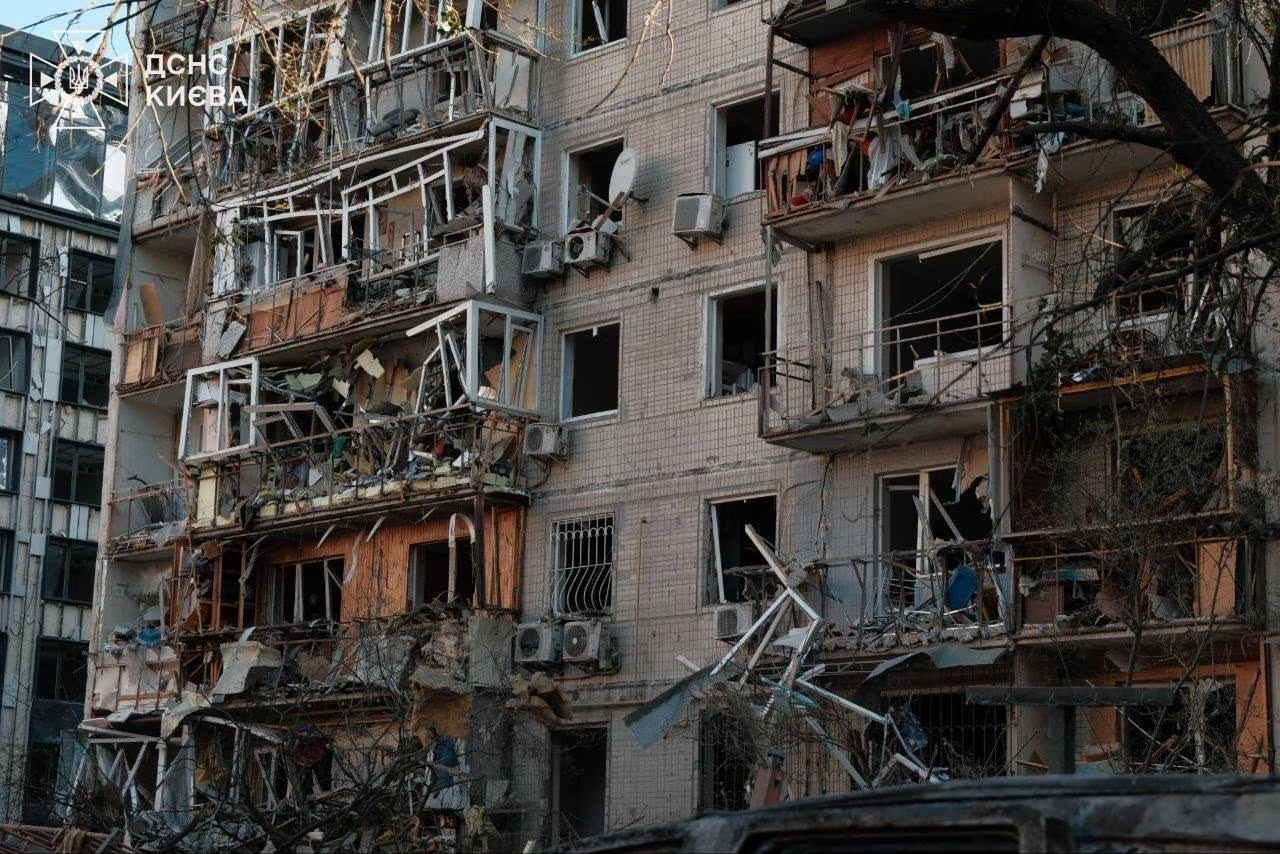
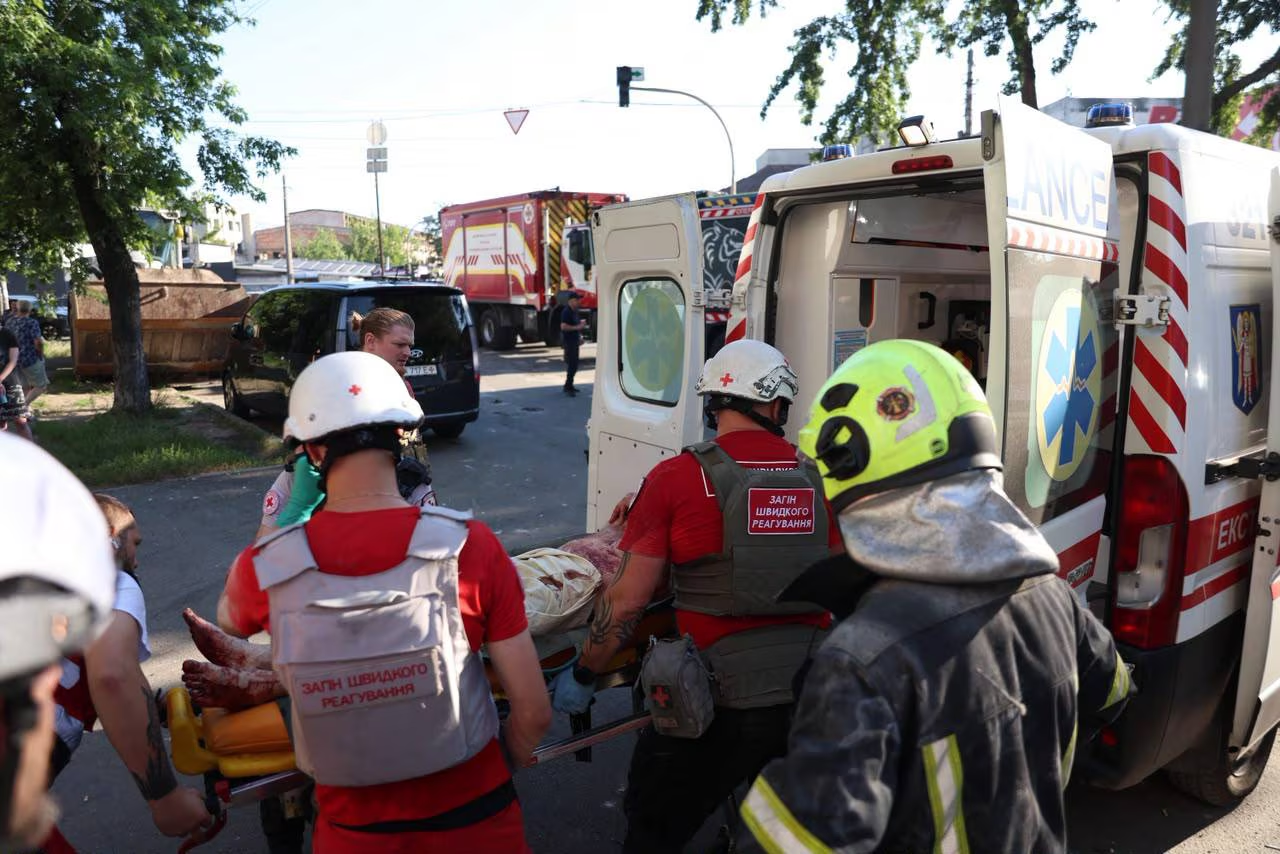
In the Pecherskyi district, a nine-story building was damaged and a fire broke out; rescuers pulled one person from under the rubble. In the Holosiivskyi district, the technical floor of a high-rise building caught fire, and in the Obolonskyi district, a warehouse area burned.
In the Sviatoshynskyi district, two private houses were damaged, and in the Desnianskyi district, a nine-story residential building was hit.
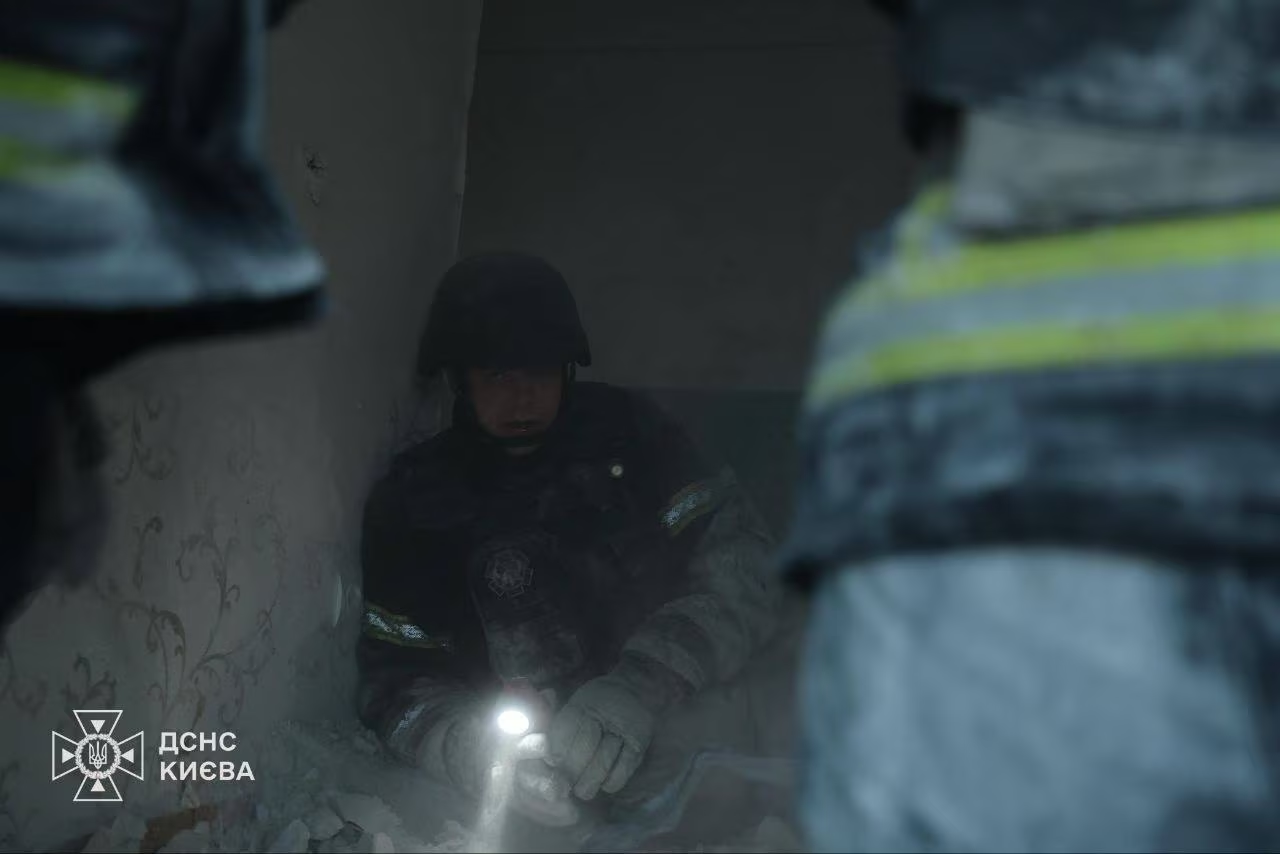
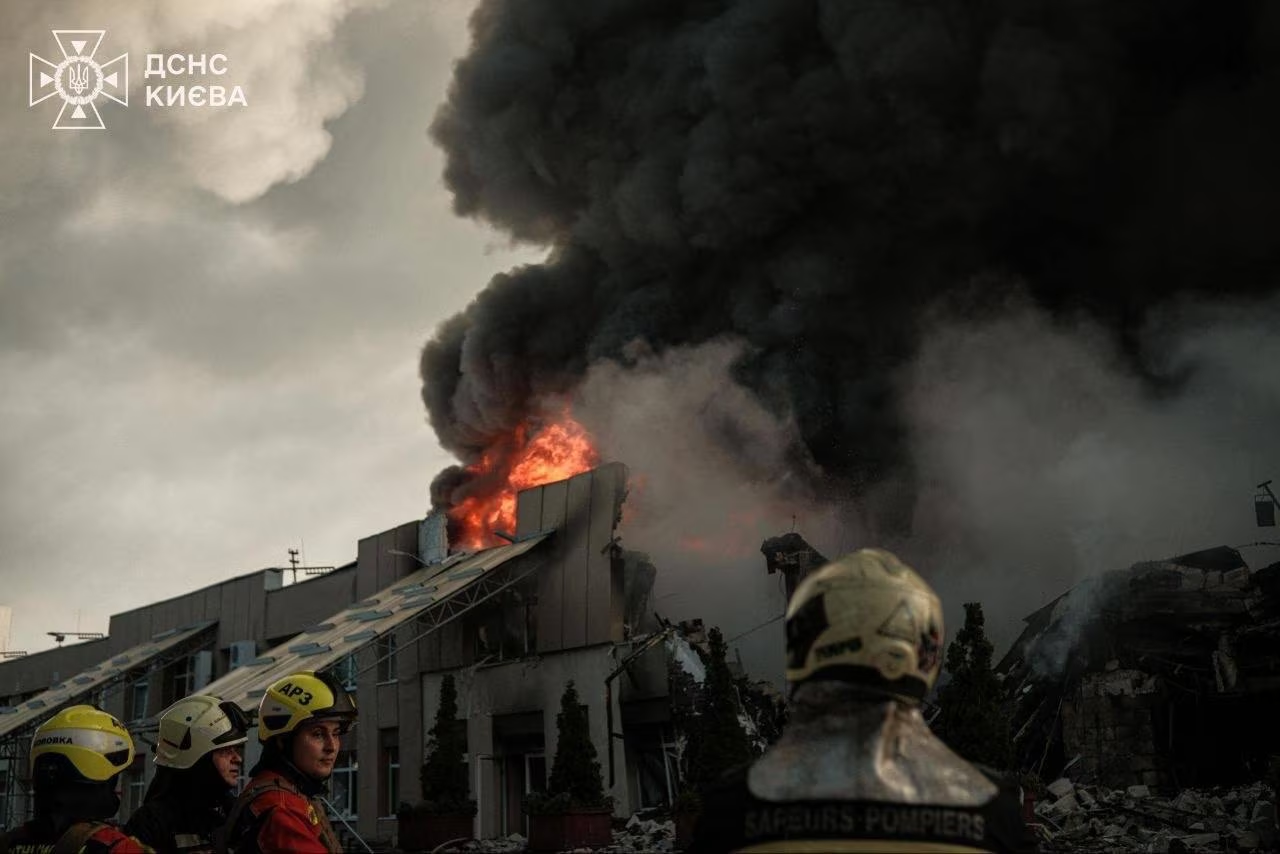
“There are very significant direct hits on residential buildings, where, unfortunately, the dead are among those being pulled from under the rubble,” said military administration chief Timur Tkachenko.
The main feature of the overnight attack on Kyiv was the mass use of jet-powered Shaheds, Ukrainian military observer Bohdan Myroshnykov said. In his assessment, such drones were used on this scale for the first time. “The attack was extremely complex,” Myroshnykov added.
In addition, Russian forces again launched Iskander ballistic missiles, missiles for S-400 air-defense systems and Zircons in a single salvo. According to Myroshnykov, this combination significantly complicates the work of Ukrainian air defense.
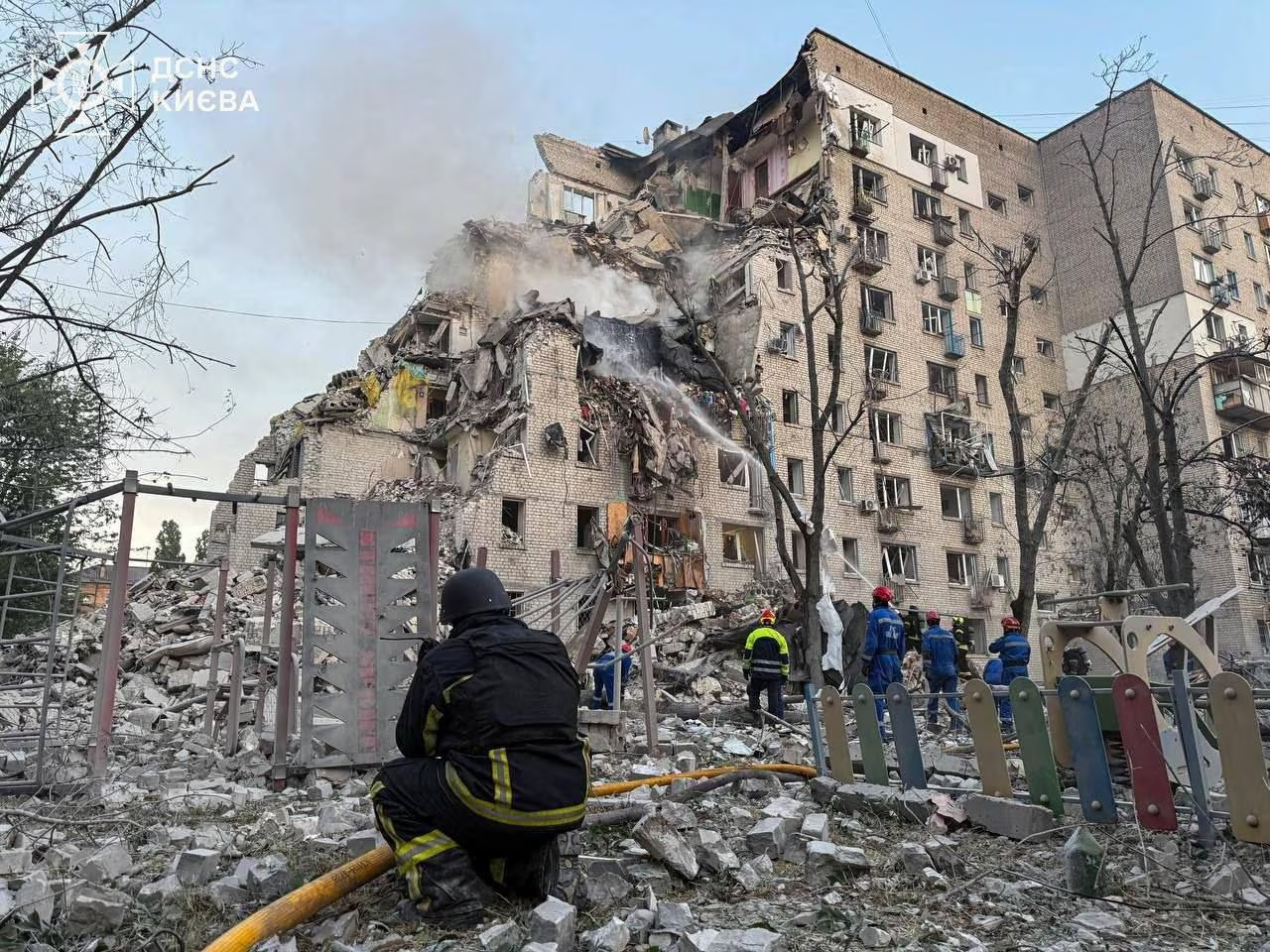
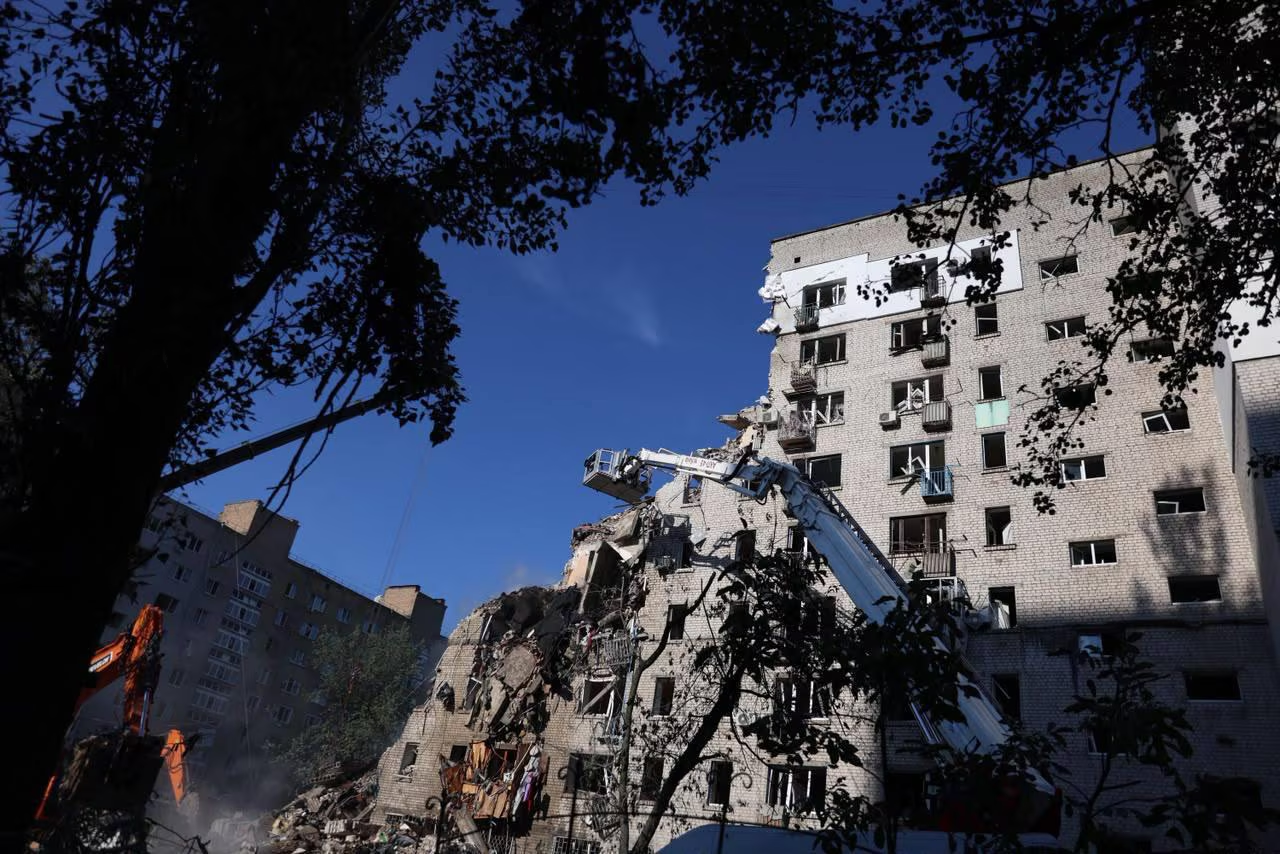
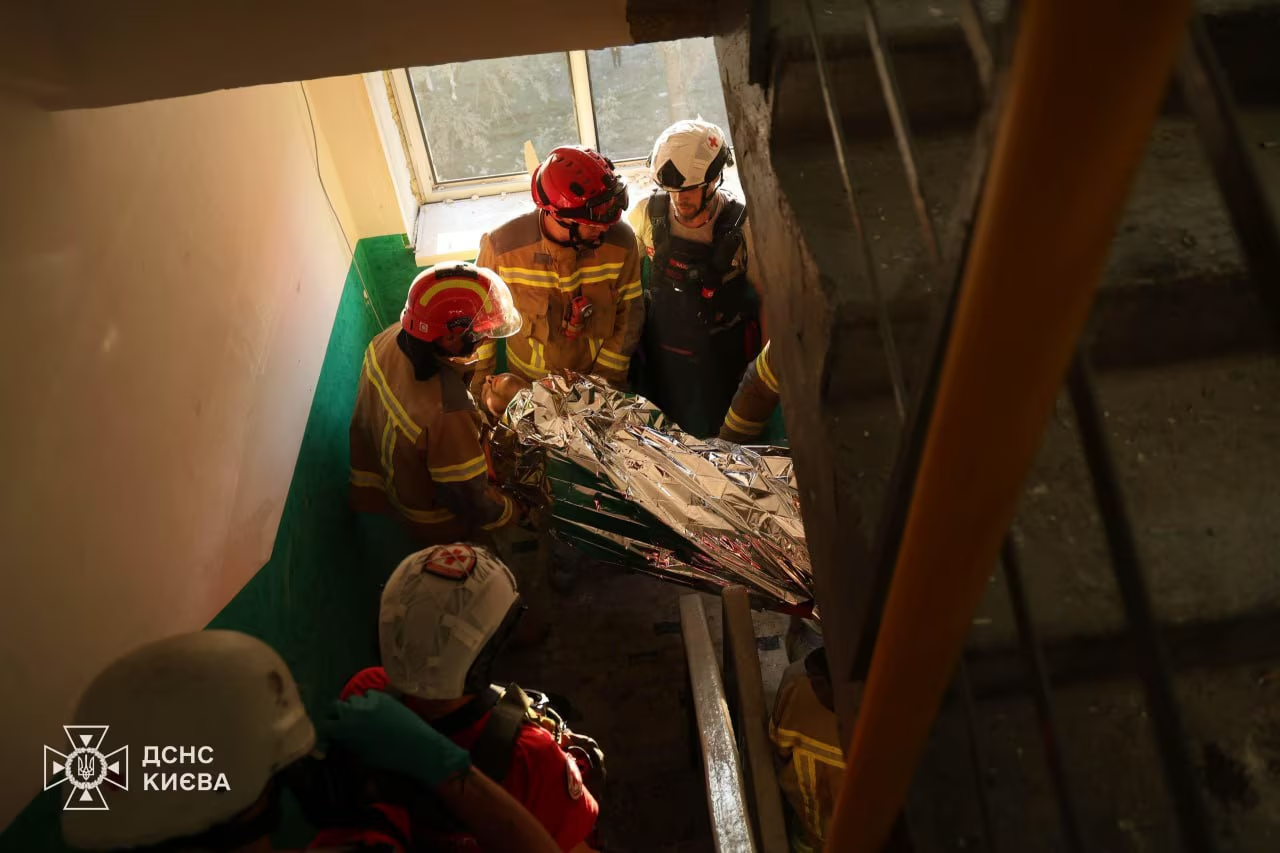
The observer assumes that around 60 missiles of different types and more than 100 jet-powered drones may have been launched at Kyiv in total.
After the main waves of the attack, the city also continued to be targeted by individual missiles, jet-powered drones and Banderol-type loitering munitions.
Russia Launches Massive Overnight Strike on Kyiv on June 15—Five People Killed and 30 Wounded
Russia Launches Massive Strike on Ukraine—Seven People Killed in Kyiv and 15 in Dnipro, Including a Child Born in 2023
Russia’s Foreign Ministry Announced the Start of “Systematic Strikes” on Kyiv and Urged Foreigners to Leave the City
Russia Carried Out One of the Largest Strikes on Kyiv Since the Start of the War—90 Missiles and 600 Drones, With the “Oreshnik” Used for the Third Time