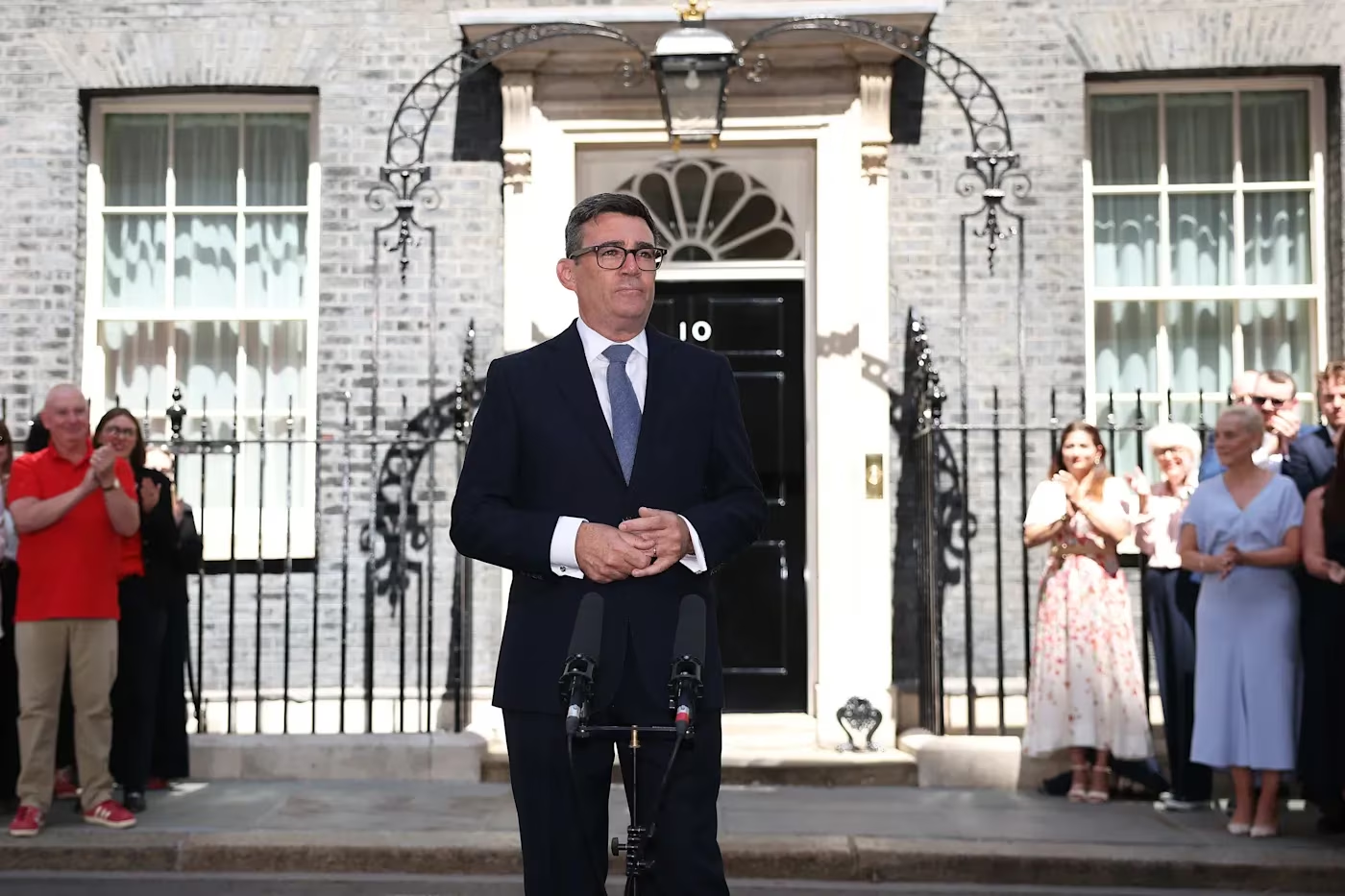
Andy Burnham has taken office as Britain’s prime minister, becoming the country’s seventh head of government in a decade. In his first speech outside 10 Downing Street, he declared: “Britain must show the world that we can restore stability once again.” The new prime minister stressed that he was “acutely aware” of being the seventh person to hold the office since 2016 and described his accession as “a moment for reflection and renewed resolve”—one that required politicians of his generation to “raise the bar” and make politics “work better.” Burnham delivered the speech without the customary lectern, a gesture emblematic of the new political style he intends to establish. Earlier on Monday, Keir Starmer tendered his resignation, which King Charles III accepted.
The former mayor of Greater Manchester is taking office without a general election—he secured the Labour leadership unopposed. The centerpiece of his program will be a promise to give voters “breathing room” amid the rising cost of living, beginning with an early package of measures for people frustrated by years of stagnant incomes. Other priorities include transferring power from London to the regions, tightening oversight of utilities including Thames Water and building social housing. Burnham himself describes the agenda as a political break with “40 years of neoliberalism.”
The new prime minister faces a difficult starting position. Political scientists say his first three months will provide a decisive window—either he builds momentum or finds himself on the defensive. A June YouGov poll recorded a decline in his ratings, with his net approval falling to minus 4. Parliament’s summer recess will offer some relief, sparing the new government one source of pressure during its opening weeks.
Burnham Will Abandon the Introduction of Digital ID Cards After Taking Office
“King of the North” Took Over Britain’s Labour Party
Starmer Announces Resignation as U.K. Prime Minister
Gas and Electricity Bills in Britain Will Rise by More Than £200 a Year This Summer—Because of Higher Prices Amid the War in Iran