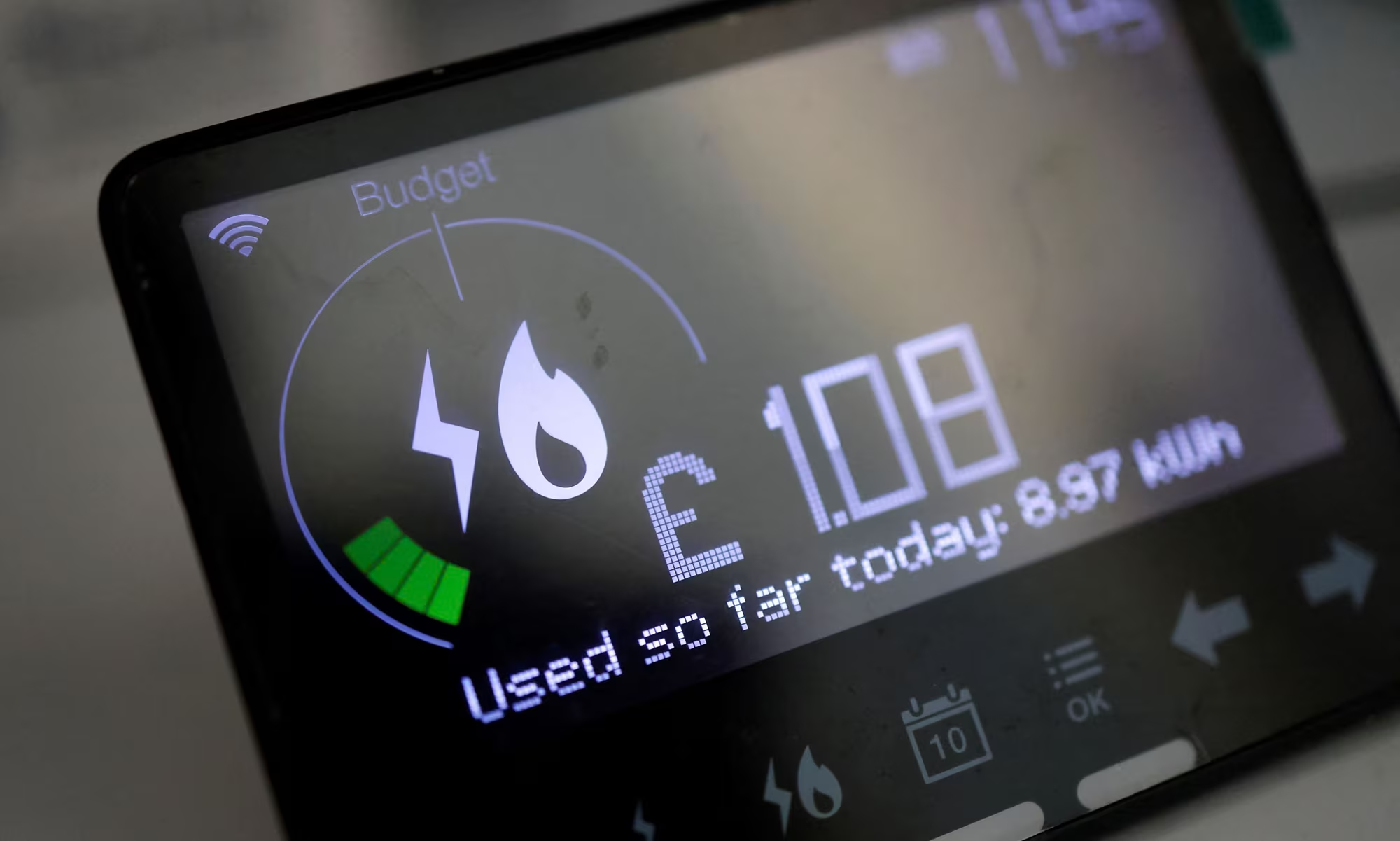
Gas and electricity bills for households in Great Britain could rise by more than £200 a year this summer and approach £1,900. The increase would mark another blow for millions of families already struggling with the rising cost of living.
According to analysis by consultancy Cornwall Insight, a typical annual energy bill will reach £1,850 from July under the new quarterly price cap set by British regulator Ofgem.
That is almost 13% higher than the current £1,641 cap in place from April through June. As a result, average household costs would rise by about £209 per year. Analysts say the main driver is higher wholesale energy prices following a sharp jump in gas costs linked to the conflict around Iran.
Cornwall Insight said prices rose especially sharply in February and March, when Tehran effectively disrupted energy supplies through the Strait of Hormuz in response to U.S. and Israeli strikes on Iran.
Ofgem calculates the maximum cost of gas and electricity based on suppliers’ expenses, including average wholesale prices in the months preceding each new tariff cap period.
After the temporary ceasefire, prices retreated from their March highs, when Cornwall had projected annual bills could climb close to £2,000. Even after the correction, however, costs remain well above normal levels, increasing pressure on households already facing higher council taxes, water bills, and other essential expenses.
Analysts warn that the more serious challenge could come in the autumn, when energy consumption traditionally rises.
According to Cornwall Insight, even an immediate end to the conflict around Iran would likely be insufficient to return tariffs to April levels by this autumn, since the effects of supply disruptions and infrastructure damage are expected to linger for some time.
Cornwall Insight chief consultant Craig Lowrey said that if tariffs remain at July levels, the government may have to consider targeted support measures for the most vulnerable households.
“Expanding renewable energy capacity is the only real path toward bills that are not so dependent on events thousands of miles away. It will not deliver immediate price reductions and it will require investment, but that is the direction we need to move in if we want long-term stability,” he said.
Friends of the Earth representative Danny Gross said another tariff increase would be a serious blow for millions of people already struggling with rising living costs.
“If we want to end dependence on fossil fuels, we need to accelerate the expansion of domestic renewable energy and improve home insulation. That would sustainably reduce bills and protect people from future energy crises,” he said.
Against that backdrop, tariff comparison services are advising consumers to consider switching to fixed-rate contracts. According to uSwitch, several current fixed tariffs remain below the projected July price cap, potentially allowing households to cut costs this summer and partly shield themselves from further increases during the winter.