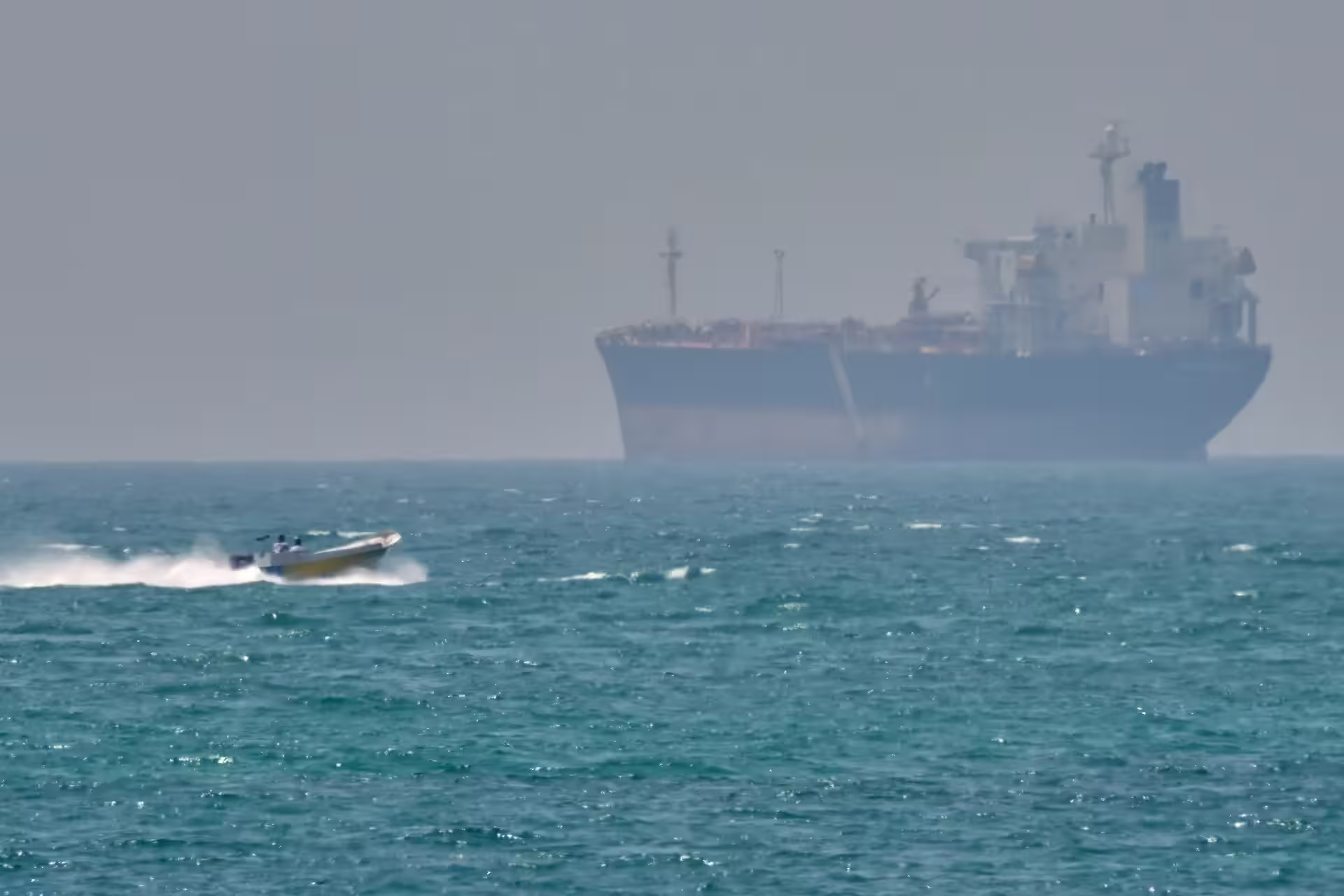
The United States is preparing in the coming days to inspect vessels linked to Iran and detain commercial ships in international waters, widening the naval blockade of the Strait of Hormuz. The information was provided by a source familiar with military planning, who spoke on condition of anonymity.
Preparations for these moves are taking place against the backdrop of an existing blockade in the Gulf of Oman—on Monday, U.S. forces turned back 23 vessels attempting to leave Iranian ports.
The expansion of these measures is being considered as Iran has effectively sealed off the strait—a crucial route through which about 20 percent of global oil supplies pass, a disruption that has already pushed energy prices higher.
According to available information, the Iranian side attacked several vessels in the strait—a day after the country’s foreign minister said that the waterway was “fully” open to commercial shipping following the temporary ceasefire between Lebanon and Israel. Those statements had earlier triggered a sharp drop in oil prices on Friday. The Wall Street Journal had also previously reported on plans to tighten control.
On Saturday, Tehran shifted its position, announcing a return to strict control over the strait after Donald Trump said the American blockade would remain “in full force” until an agreement to end the conflict was reached.
“It is hereby announced that until the United States ceases obstructing the full freedom of movement of vessels to and from Iran, the situation in the Strait of Hormuz will remain under strict control and unchanged,” a spokesman for the Islamic Revolutionary Guard Corps said in a statement published on X.
Speaking to reporters while signing an executive order, Trump said: “They wanted to close the strait again, just as they have done for many years.” He added: “They cannot blackmail us.”
The president also said negotiations with Iran and Pakistan were “going very well,” despite the fact that talks held in Pakistan last week ended without an agreement. Speaking to reporters aboard Air Force One on Friday, he said the United States could “drop bombs again” on Tehran if a long-term agreement was not reached.
The two-week ceasefire in the region expires on Wednesday.
According to Axios, Trump also held a meeting in the White House Situation Room on Iran on Saturday morning.