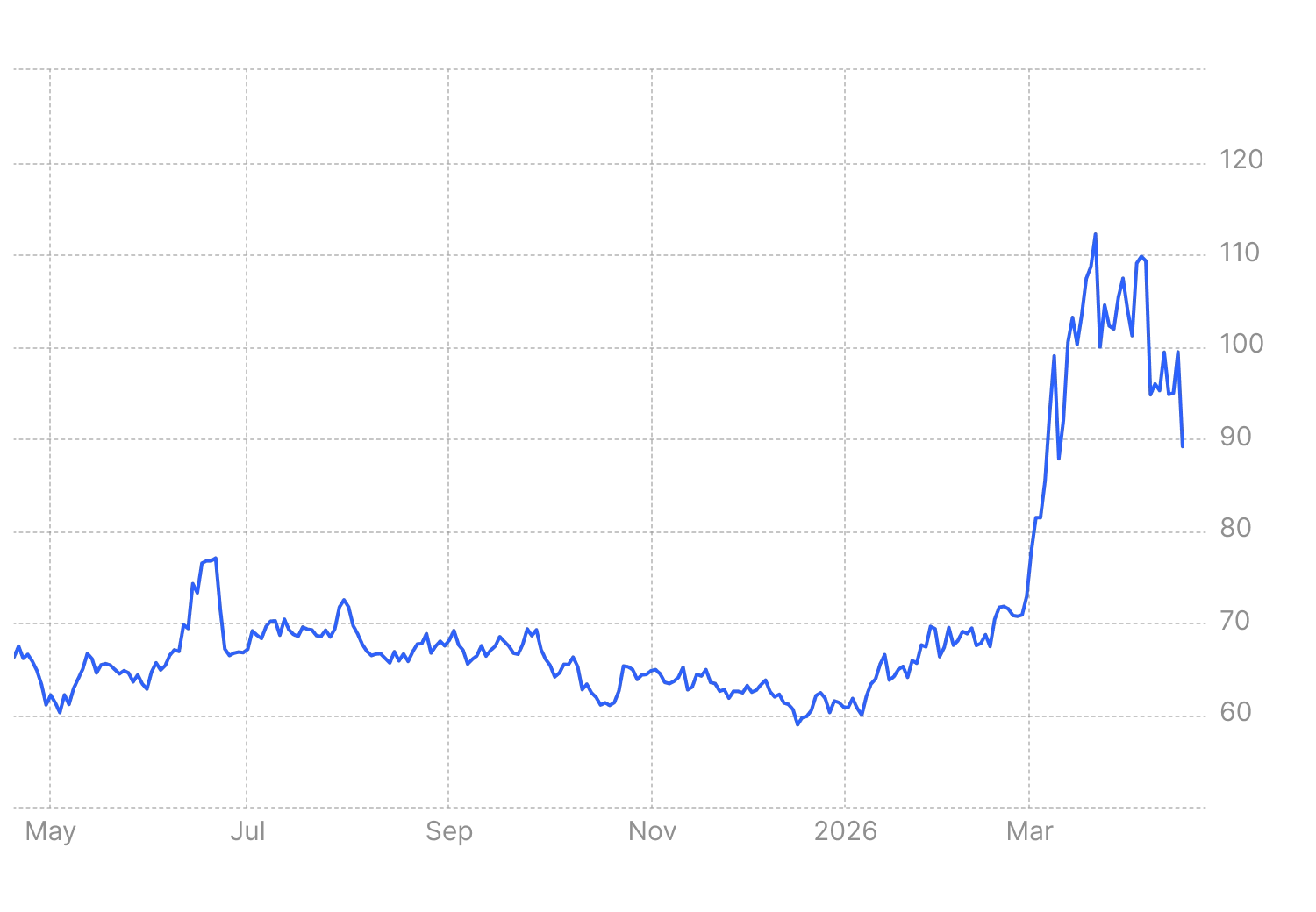
Oil and gas prices fell sharply on Friday after the United States and Iran announced the resumption of shipping through the Strait of Hormuz, while Trump signaled that the two sides had moved closer to a permanent ceasefire. Brent crude dropped by more than 11%—to about $88 a barrel, while European gas prices fell by 10%. The S&P 500 gained 1.2% and is on track for a weekly rise of nearly 5%.
Brent Crude Price, Dollars per Barrel
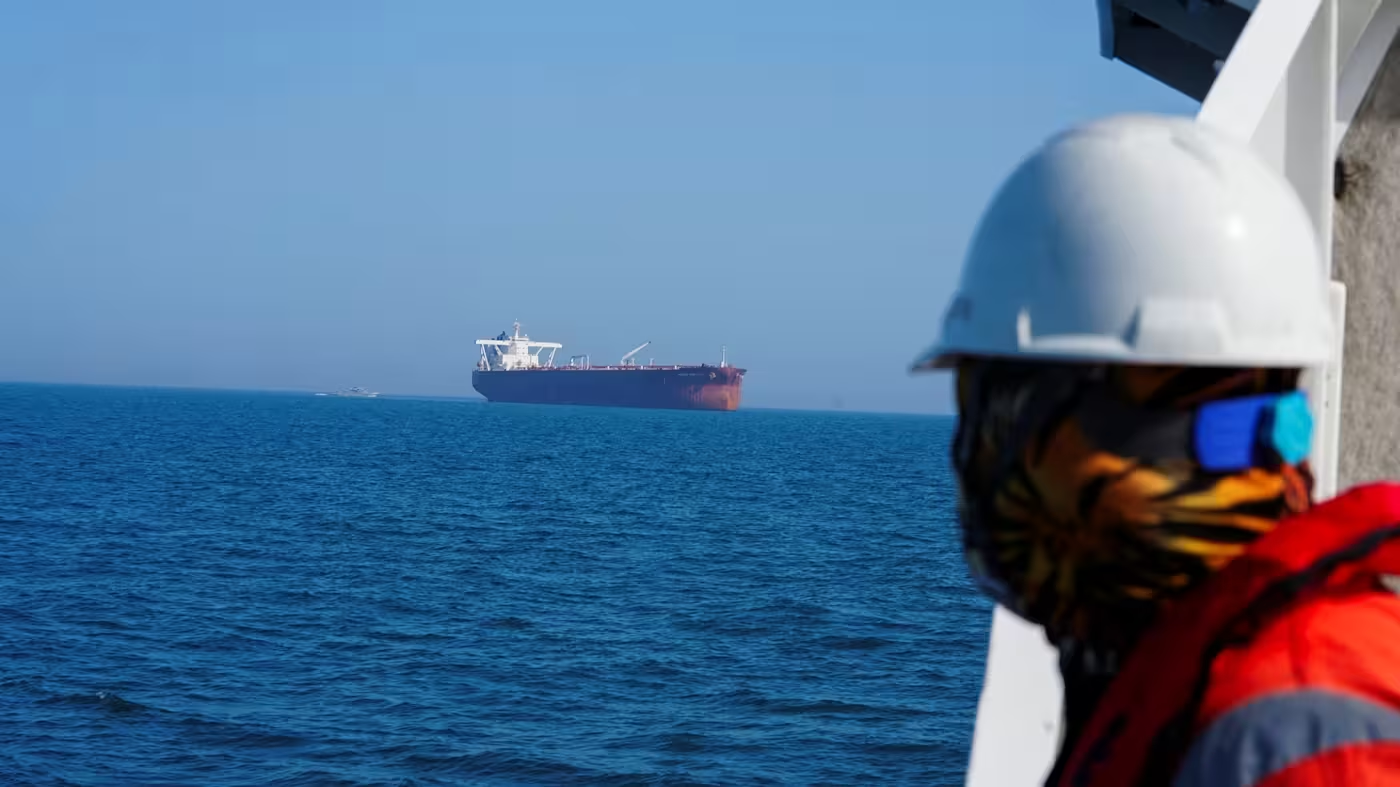
Trump said the strait was “ready for business and fully open,” thanking Iran. Foreign Minister Araghchi confirmed that passage would remain “fully open” until the two-week truce expires on Tuesday evening. Satellite tracking systems recorded at least 15 vessels—including the Greek tanker Stemnitsa and three CMA CGM container ships—heading toward the strait.
According to CNN, about 20,000 sailors and 2,000 vessels carrying 132 million barrels of oil are now stranded in the Persian Gulf—with the authorities having less than a week to free them.
Even so, representatives of the oil and shipping industries warn that the situation remains uncertain, with fears of mines in the strait still unresolved. Iran, according to state television, still intends to require commercial vessels to obtain permission from the IRGC before transiting. The Tasnim news agency added that vessels linked to the United States or Israel, along with their cargoes, are not covered by the exemption.
The announcement on the resumption of shipping followed U.S. pressure on Israel to pause its operation against Hezbollah—a condition Tehran had set for reopening the passage. At the same time, Trump is keeping the naval blockade of Iranian ports in place until a final agreement is reached.
The president is actively promoting the idea of a broad deal, raising the possibility of a new round of talks as soon as this weekend and describing the process as moving “very quickly.” Diplomats, however, caution that no talks are scheduled and that the central disputes—above all over the nuclear program—remain unresolved. At issue, in particular, are the demand to hand over 440 kilograms of enriched uranium, Iran’s right to continue enrichment, and the fate of the destroyed facilities at Natanz and Fordow.
Pakistan has led the mediation effort since the breakdown of talks in Islamabad. Army Chief Asim Munir spent at least two days in Tehran meeting with the Iranian leadership and, according to advisers, remained in constant contact with Trump. Islamabad is seeking an extension of the truce in case a deal is not reached in time—though advisers to the Pakistani government say they remain confident that an agreement can be secured before it expires.