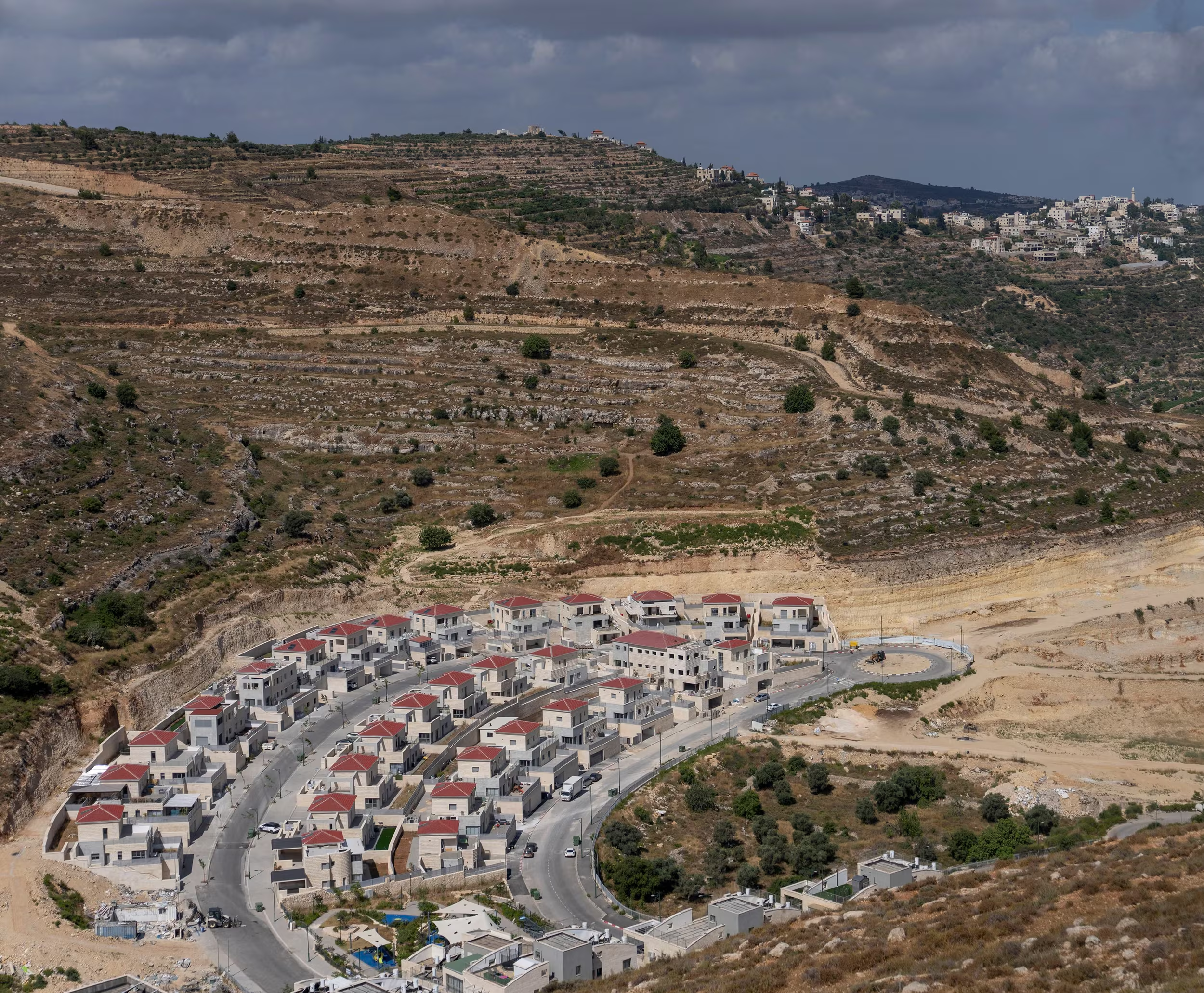
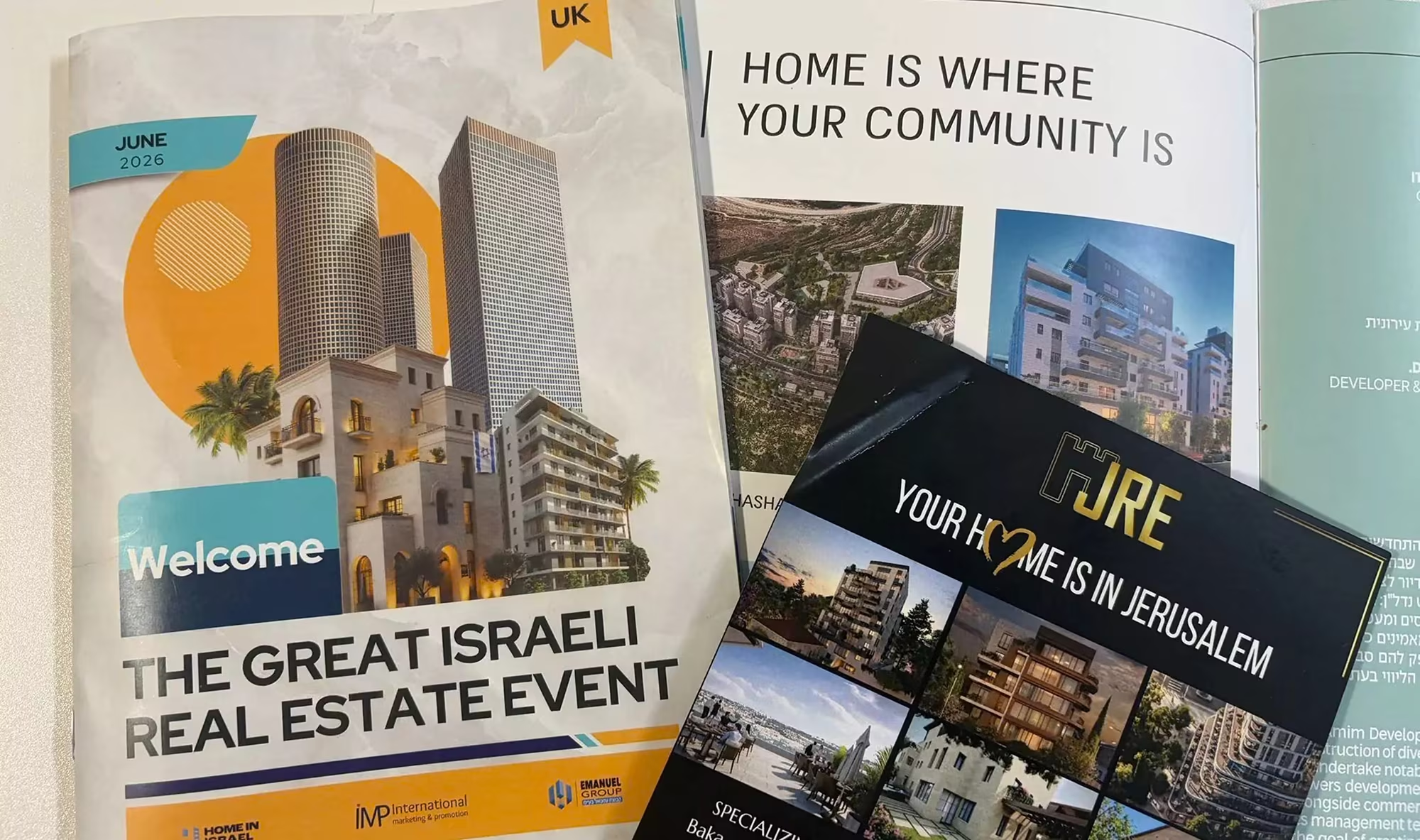
At an event held by Israeli developers in north London, properties in Israeli settlements in East Jerusalem and the occupied West Bank were advertised—despite earlier assurances from the organizers that real estate in illegal settlements would not be offered.
The brochures included projects in Ma’ale Adumim, Givat Ze’ev, Kfar Eldad and Tene Omarim in the West Bank, as well as in Ramat Eshkol and Givat Hamatos in East Jerusalem.
The event went ahead despite calls from more than 100 British MPs and civil-society organizations to cancel it. They argued that the exhibition contradicted Britain’s obligations under international law. MP Andy McDonald, co-chair of the parliamentary group on Britain and Palestine, sent the foreign secretary a letter signed by 101 politicians, calling the event part of Israel’s project of colonial expansion.
London Mayor Sadiq Khan also raised concerns. According to him, police said that any allegations of a possible breach of the law in the sale of property would be assessed with a view to an investigation. The Metropolitan Police declined to comment.
The London exhibition was the final stage of an international tour after Toronto and New York. Earlier, the website invited visitors to register interest in Gush Etzion—a settlement the British government considers illegal. The organizers had previously denied showing properties in the West Bank, calling the accusations “absurd.” On Tuesday, after a discussion in parliament, they apologized for an “error” in the brochures, telling Jewish News that the mention of disputed territories had been mistaken.
That same day, Foreign Office minister Hamish Falconer sent a letter to the Advertising Standards Authority asking it to urgently examine possible advertising of real estate in illegal settlements. Foreign Secretary Yvette Cooper confirmed the referral in the House of Commons. The ASA told the Guardian it had received the letter, but that no advertising complaints had been filed, and that it does not handle legal issues in this area.
McDonald called the referral to the ASA “completely inappropriate and wholly insufficient,” urging that it be established whether there were grounds for criminal prosecution of the British companies involved. Amnesty International UK also criticized the move as a formal gesture. McDonald noted that Britain would not tolerate the sale of land in settlements in Donbas, and that inconsistency in applying international law deepens distrust of the country’s leadership.
The event took place against the backdrop of an unprecedented rise in settler violence in the West Bank. Last week, Britain, together with other Western countries, imposed sanctions on six companies and one individual accused of facilitating that violence. However, the government stopped short of banning trade with illegal settlements, as more than 140 Labour MPs had previously urged.
A member of the group Jewish Anti-Zionist Action, who gave her name as Dora, said she attended the event incognito to gather evidence of the possible sale of illegal land. She was removed, after which she joined a protest outside the building—14 people were arrested during the demonstration.
The Charity Commission has not yet opened an investigation, but is assessing complaints about the event at a synagogue linked to United Synagogue. A source at the synagogue said the venue had merely been rented out to outside organizers, and that preliminary checks had shown all the advertised real estate was legal under English law.
Israel Consolidates Control Over the West Bank Through Administrative, Demographic, and Military Measures
Israel Risks Damaging Ties With the EU Over the Gaza Blockade, Occupation, and West Bank Violence
“Trump’s Agreement Does Not Bind Us.”
Israeli Soldiers Shoot Seven-Month-Old Baby in the West Bank After Opening Fire on a Car at a Checkpoint