In the terrorist attack in Kyiv’s Holosiivskyi district yesterday, the Interior Ministry reacted quickly: six people were killed, the gunman was neutralized, and Yevhen Zhukov, the head of the patrol police, resigned the following day. An internal investigation has been opened.
But that is not what people are discussing. Since Sunday morning, the internet has been dissecting not Vasylchenkov, but the police themselves. And the judgment has been harsher than any internal inquiry.
The trigger was a single video: two patrol officers are standing in a courtyard, gunfire begins, and the officers run away. Civilians, including a child, are left behind. That video alone is not yet a verdict on the entire police force. What turns it into one is the backdrop: this is the same police force that every day helps military enlistment officers seize people in the streets.
For months, social media has accumulated footage of patrol officers blocking cars, wrenching men’s arms near metro stations, and helping drag people into vans. There, they do not run. There, they move quickly, in sync, six against one.
Until April 18, that contrast was diffused across hundreds of episodes. Now it has been distilled into a single image. An armed man with an assault rifle—and the police flee. An unarmed man who does not want to get into a van—and the police descend on him as a mob.
There is another detail. In February 2024, Interior Minister Ihor Klymenko explained in an interview with RBC-Ukraine why police officers could not be mobilized: “Who, then, will protect people from criminals?” Two years later, a video from Holosiivskyi district supplied the answer.
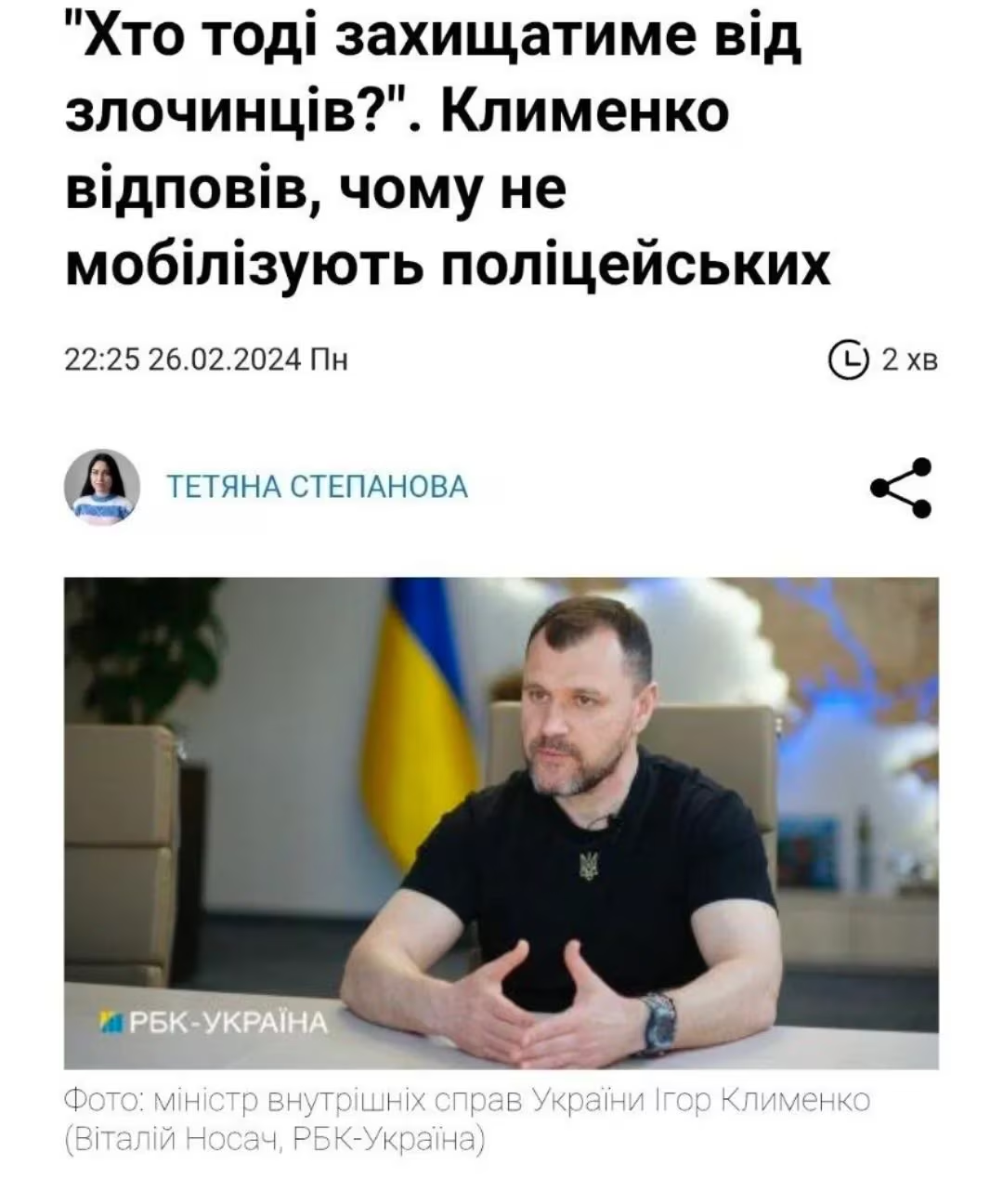
The headline of an RBC-Ukraine interview published on February 26, 2024: “‘Who, Then, Will Protect People From Criminals?’ Klymenko Explains Why Police Are Not Being Mobilized.” Two years ago, the interior minister used that line to explain why police officers could not be sent to the front.
Then came the memes.
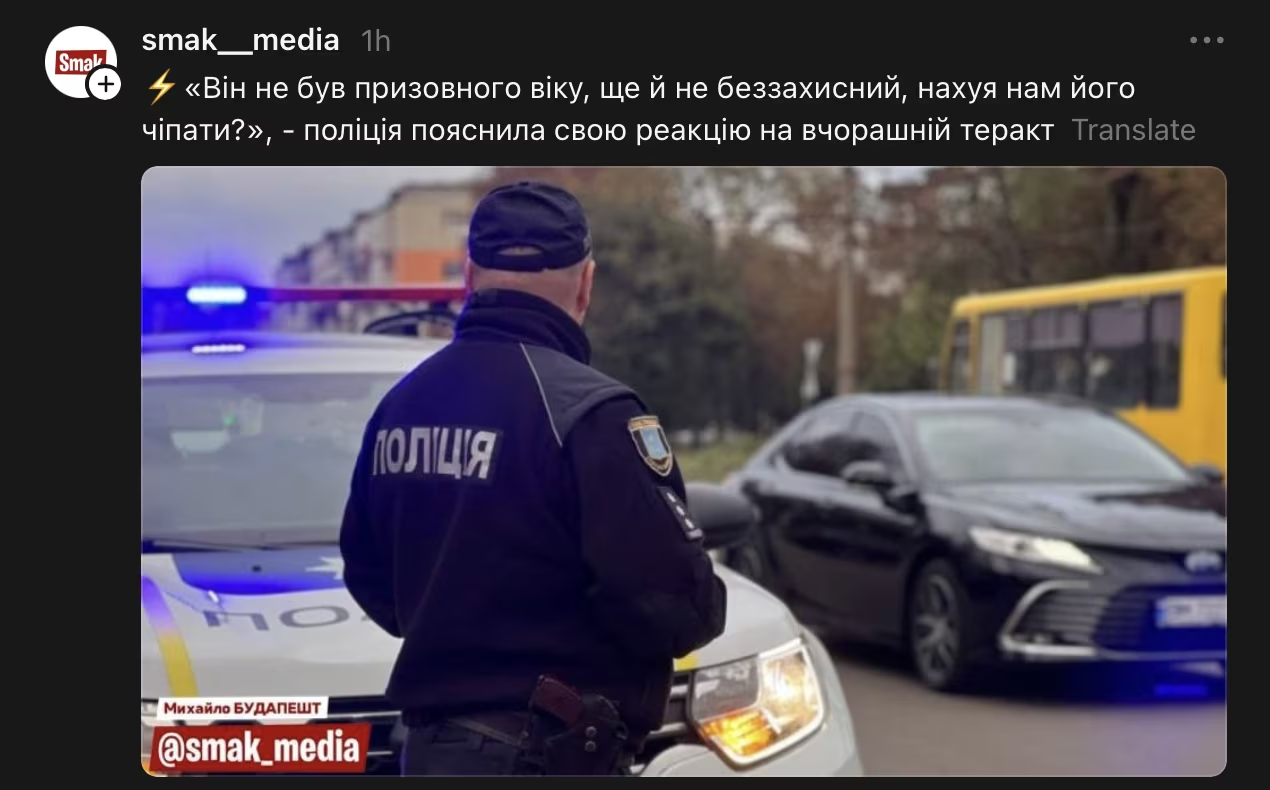
The public page smak_media posts a photo of a patrol officer from behind and attributes to him this explanation for the response to the terrorist attack: “He was not of conscription age and not defenseless—why would we bother him?” The caption on the photo reads “Mykhailo Budapest,” a reference to a popular escape route used by Ukrainian men avoiding mobilization. The meme collapses the patrol officer and the draft evader into a single image: both prefer to avoid dealing with anyone who might hit back.
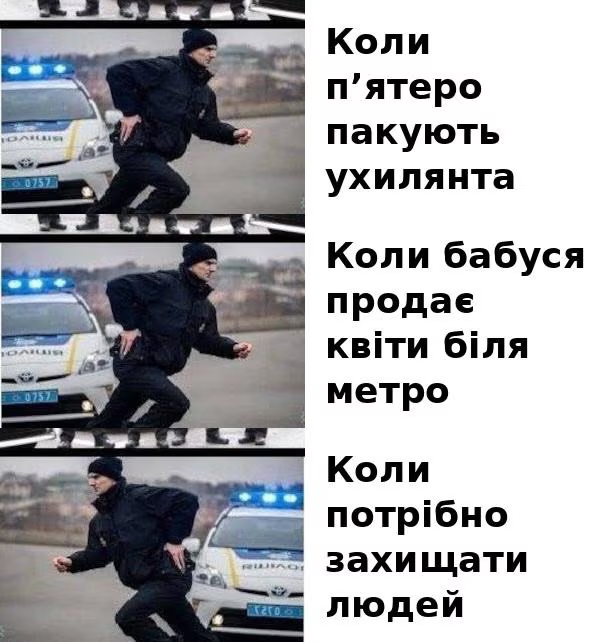
Three identical frames of a police officer sprinting, three captions: “When five men are packing up a draft evader,” “When a grandmother is selling flowers near the metro,” “When it is time to protect people.” The patrol officer’s pose is the same in every case—only the direction of the run changes. In the third frame, apparently, he is running away from the people.
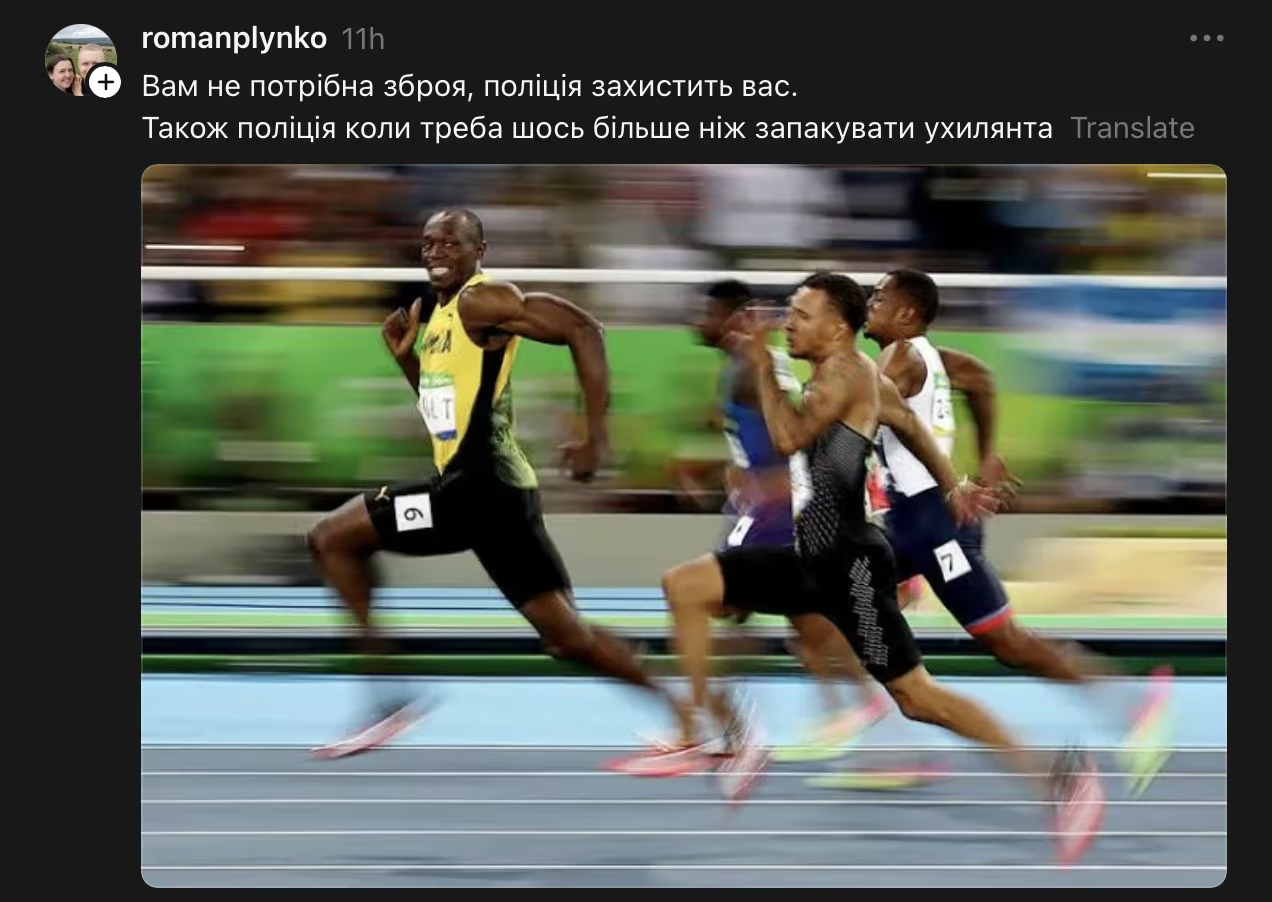
The famous photo of Usain Bolt in the 100-meter race appears with the caption: “You do not need a weapon, the police will protect you. Also the police, when something more is required than packing up a draft evader.” The joke is that at the first sound of gunfire, the Ukrainian patrol officer turns into a world sprint champion—except he runs in the opposite direction from the shooter.
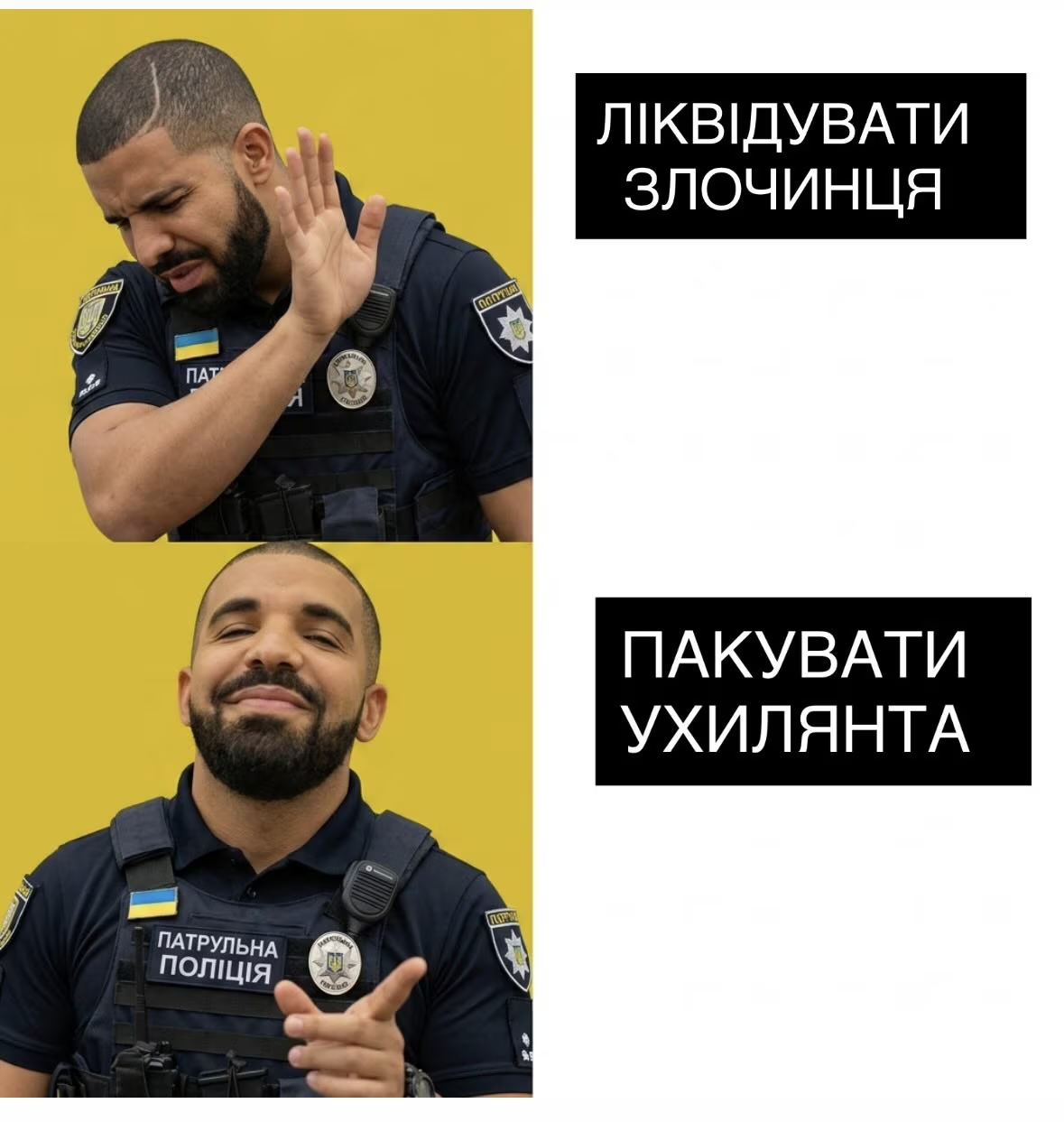
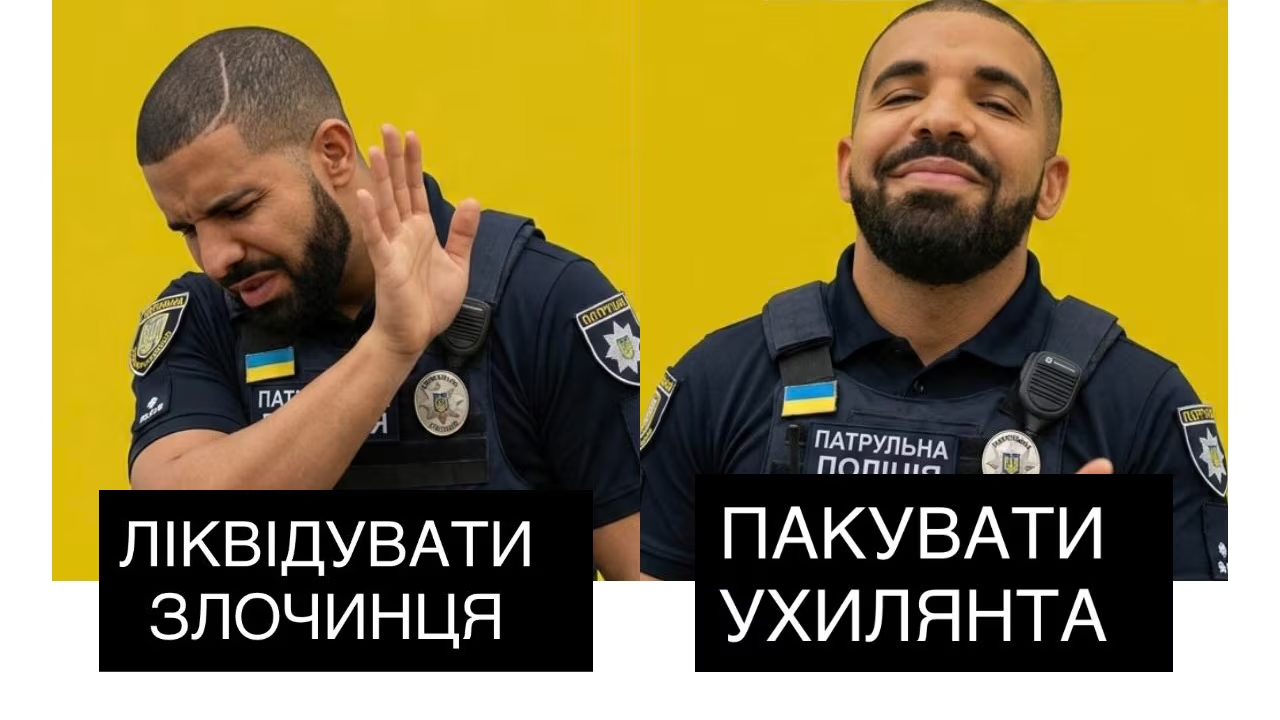
The classic Drake meme, dressed up in the uniform of the Ukrainian patrol police. In the top panel, he dismissively waves off the option “Neutralize the criminal.” In the bottom one, he approvingly points to “Pack up the draft evader.” In two frames, the service’s priorities are laid bare: no words, no excuses, no objection.
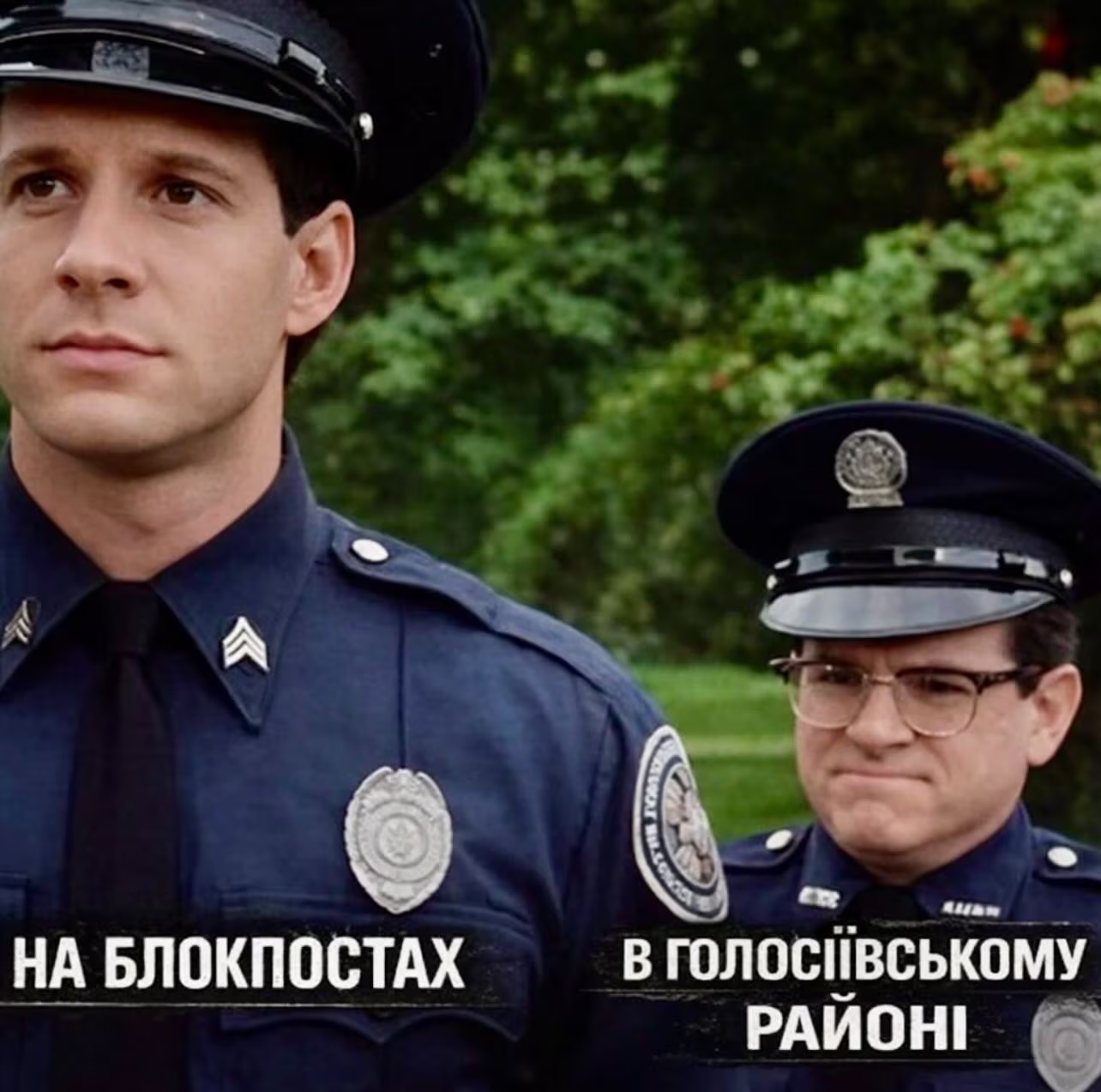
A still from Police Academy: a fit sergeant in close-up on the left, a ridiculous short police officer in glasses on the right. The captions read: “At checkpoints” beneath the strapping one, “In Holosiivskyi district” beneath the other. Nothing needs to be said—the casting has already done the authors’ work for them.
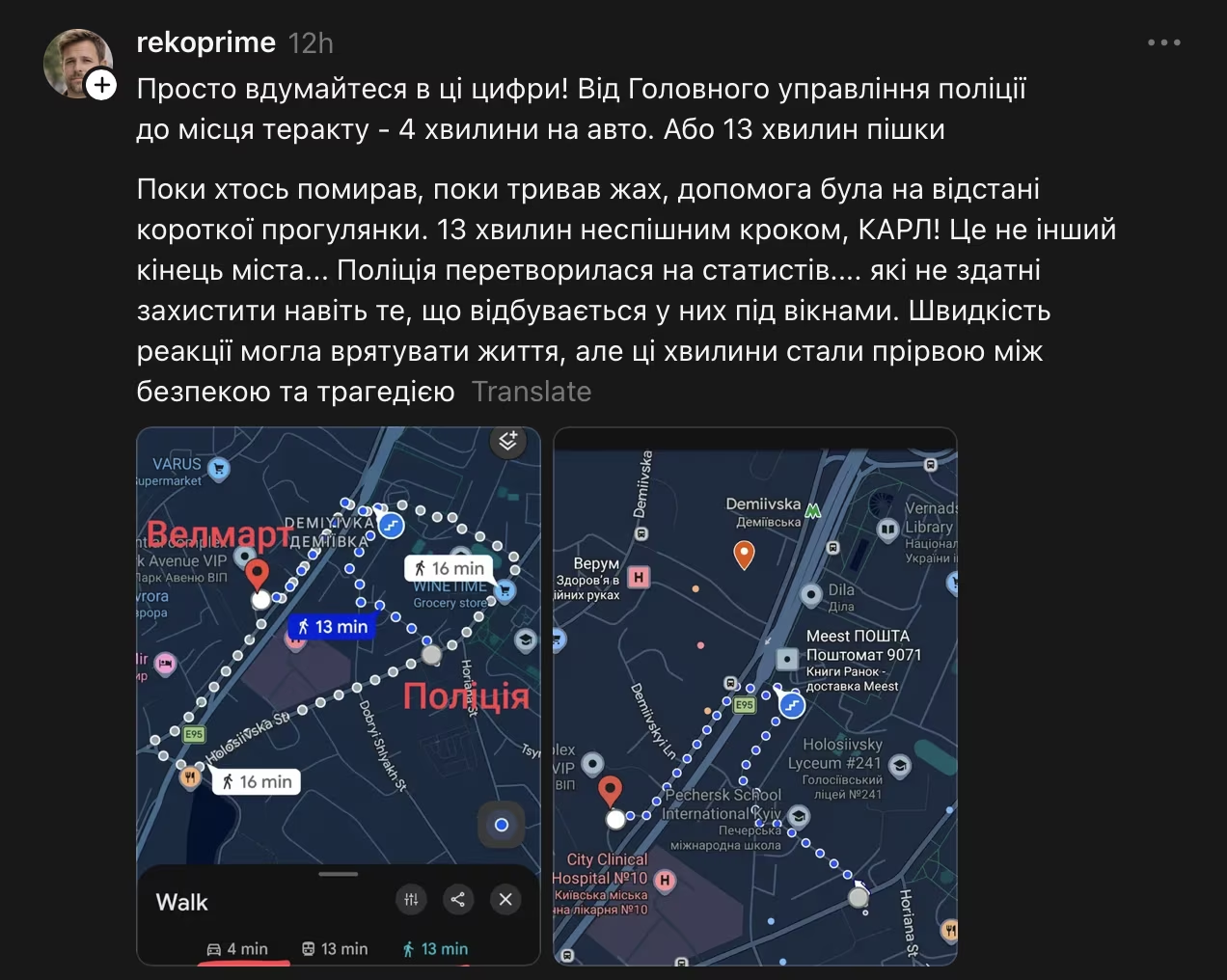
One further detail noticed by social-media users on Sunday: it is four minutes by car or thirteen on foot from Kyiv’s Main Police Directorate to Velmart. The next block over.