
Iceberg A23a, which retained its status as the world’s largest until the end of 2025, has reached the end of its existence. This was reported by the Arctic and Antarctic Research Institute.
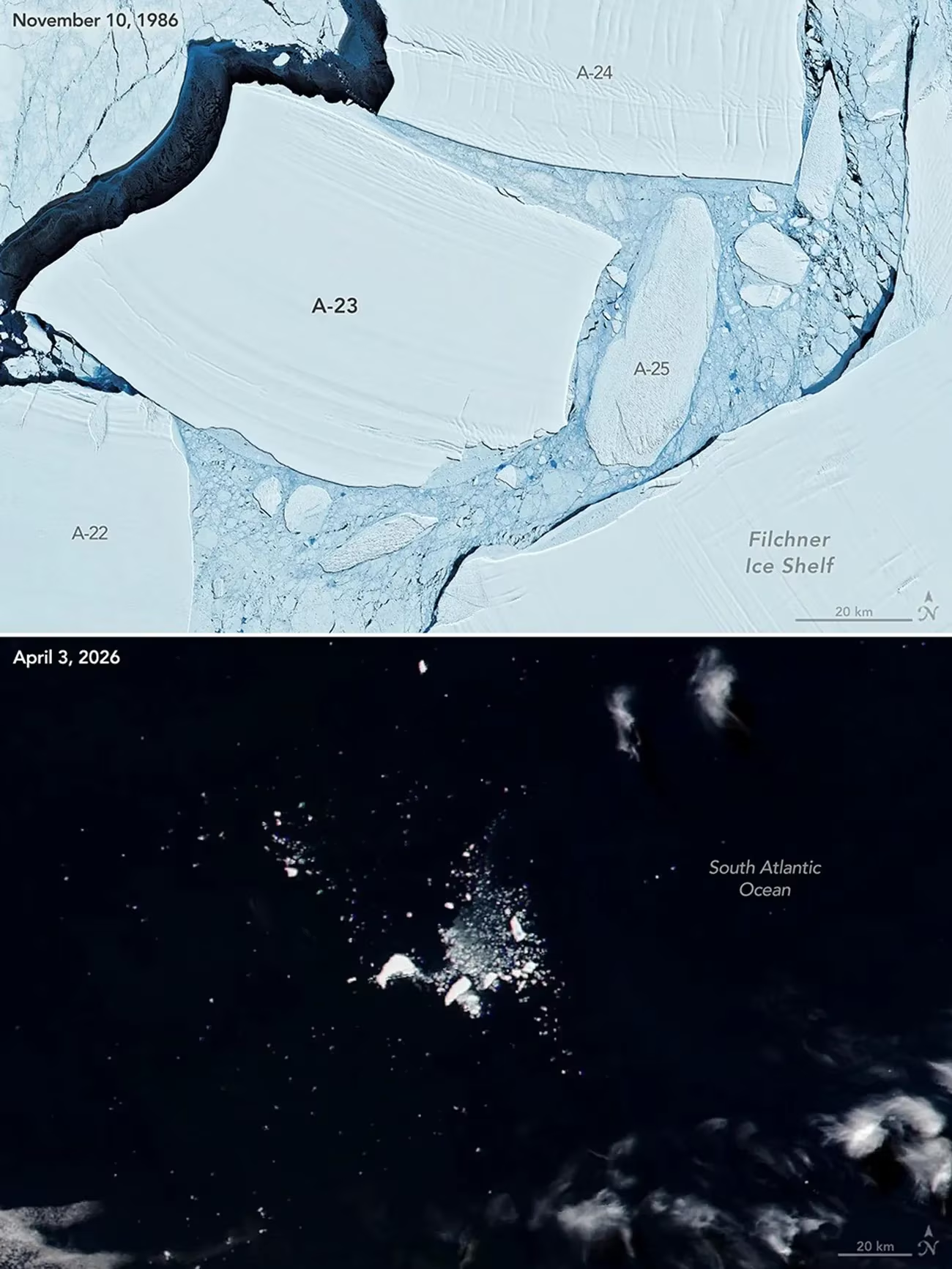
Top: A23a at the start of its drift on November 10, 1986. Bottom: an image of the same iceberg on April 3, 2026.
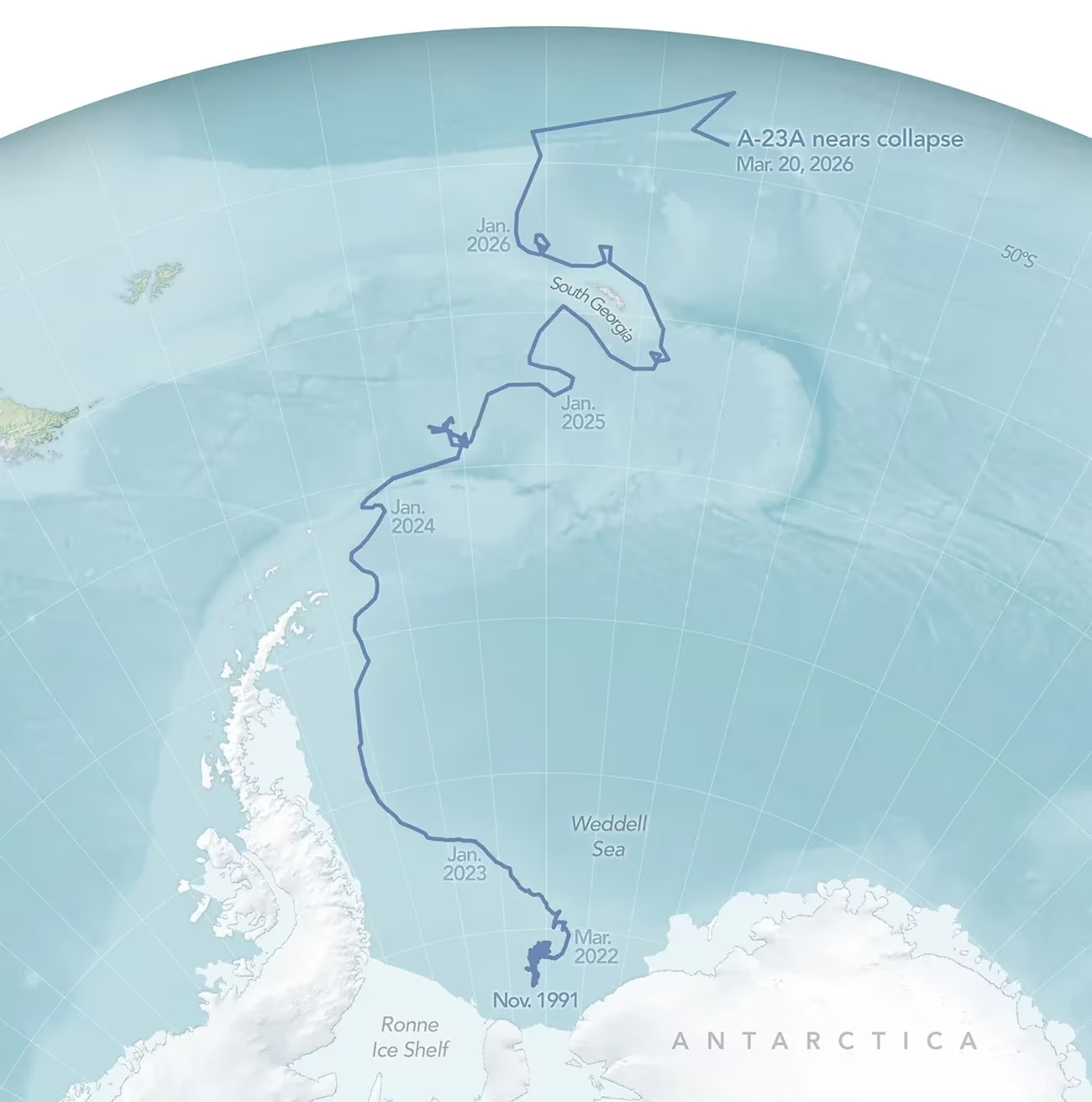
The drift path of iceberg A23a.
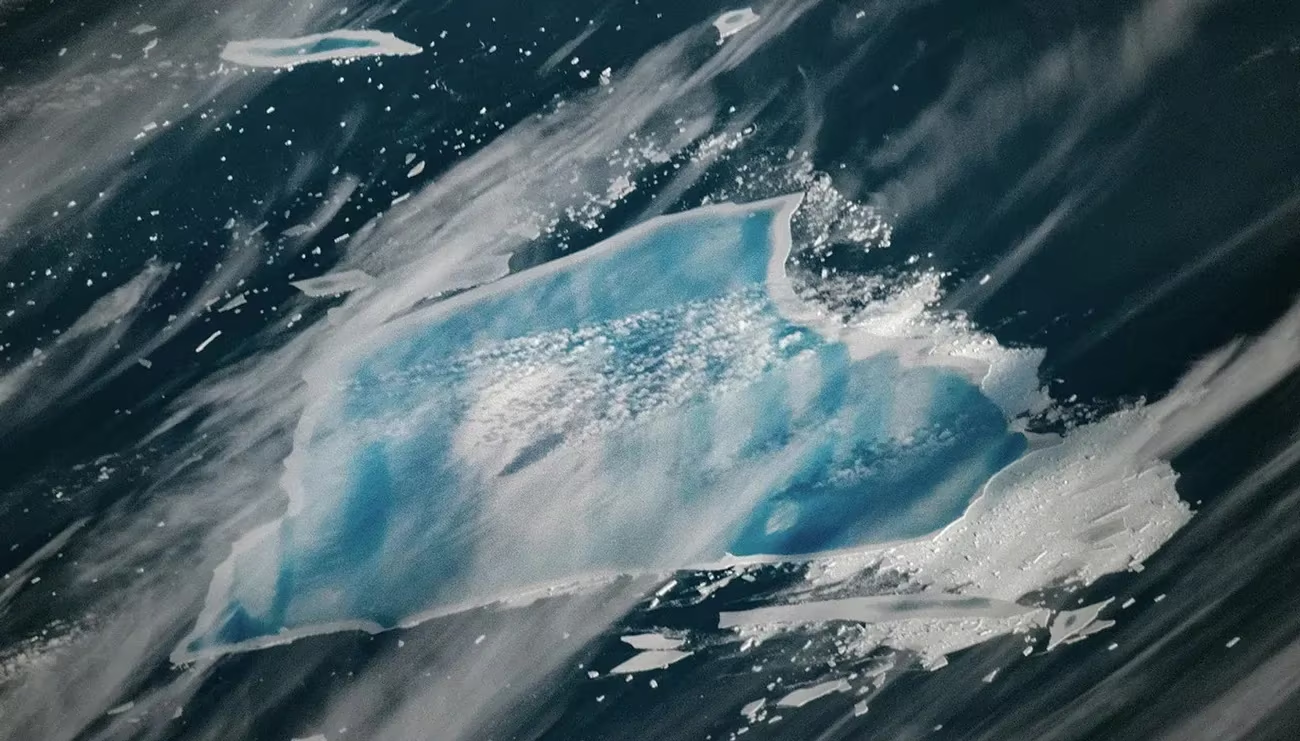
A23a in December 2025. Large pools of meltwater are visible on its surface.
According to scientists, A23a has broken into fragments and lost 99% of its original area. “In January, the iceberg’s area was about 1,300 square kilometers. At this point, its area is less than 50 square kilometers,” said Polina Soloshchuk, chief specialist at the institute’s Ice and Hydrometeorological Information Center. “Now iceberg A23a continues to drift through open water and is breaking apart literally before our eyes.”
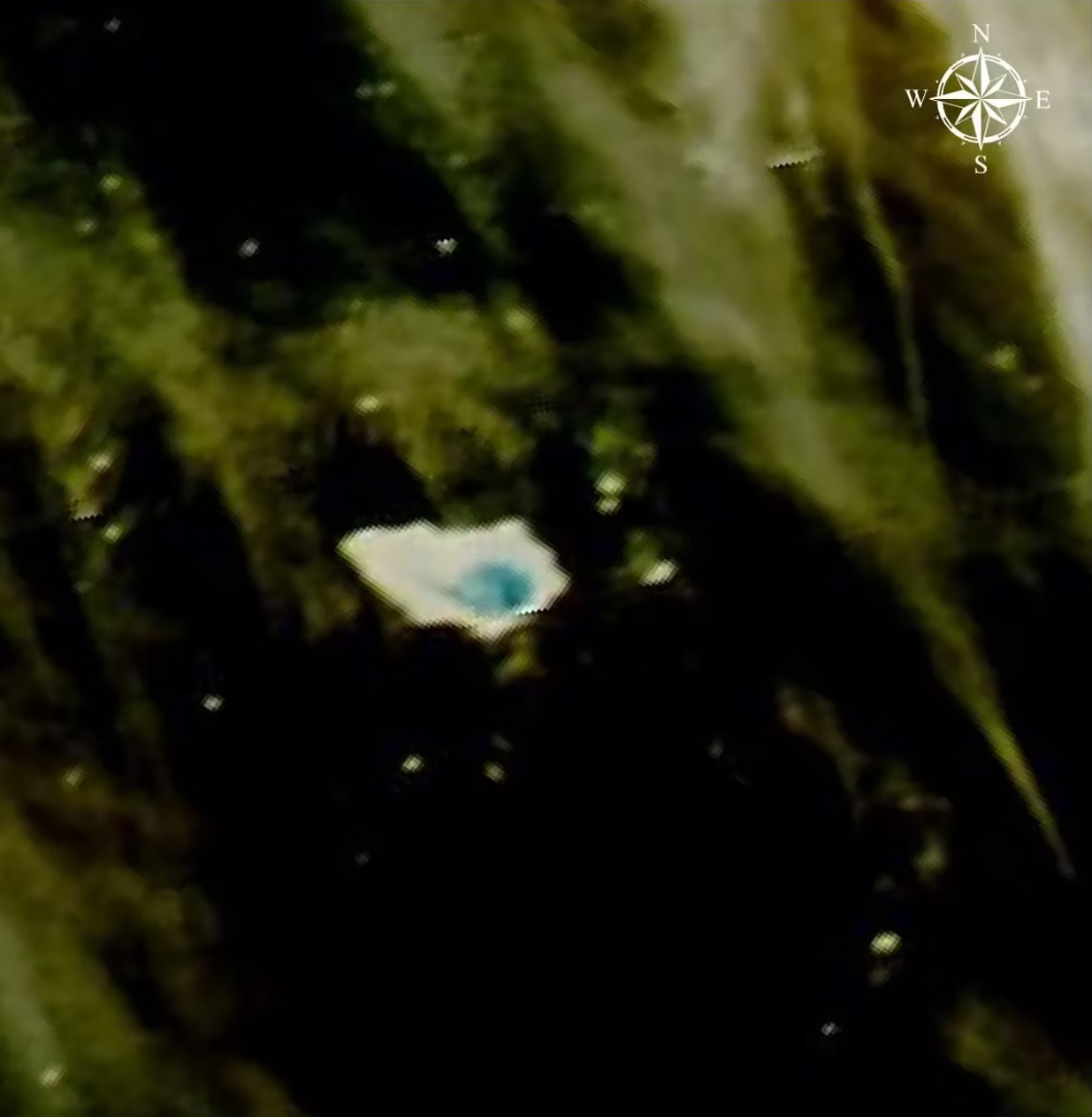
A23a on April 18, 2026.
Over the past three months, the iceberg has traveled about 1,000 kilometers and crossed the boundary between the Southern and Atlantic oceans. It is now near the 49th parallel south. “Iceberg A23a is done,” the institute said in its Telegram channel.
A23a broke away from the Filchner Ice Shelf in Antarctica in 1986. At the time of its formation, its area reached 4,170 square kilometers—almost twice the size of St. Petersburg, the institute noted.
For more than 30 years, the iceberg remained grounded in the Weddell Sea, after which it began drifting along the Antarctic coast. In early 2025, it ran aground again, but in August it resumed moving—this time near South Georgia Island. By the end of last year, its area had shrunk to 1,370 square kilometers, and A23a lost its title as the world’s largest iceberg.