Two New Outbreaks Reminded the World How Unprepared It Still Is
The Covid pandemic left behind a collective trauma. Lockdowns, remote schooling, masks and PCR tests, empty airports, stories of people dying alone in hospitals and nursing homes—all of it created a new reality that took years to emerge from.
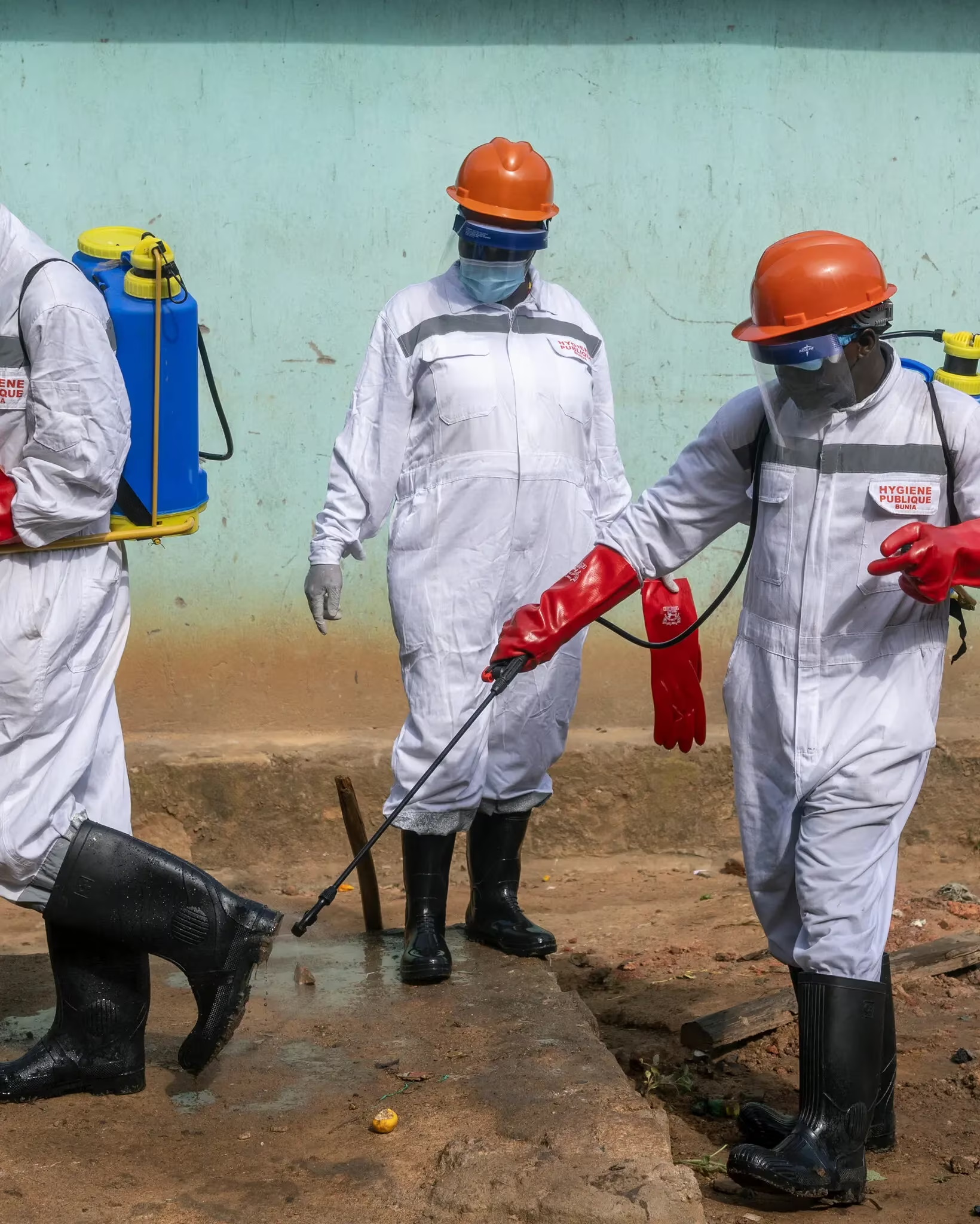
That is precisely why reports of new outbreaks—Ebola and hantavirus—have triggered such an intense reaction. Experts stress that neither is likely to become a pandemic on the scale of Covid, but both serve as reminders of how fragile the global healthcare system remains.
Hantavirus causes severe respiratory illness and can be fatal, but it spreads poorly between people and outbreaks usually burn out quickly. The Ebola outbreak in the Democratic Republic of Congo appears more dangerous, though the World Health Organization considers its spread beyond Central Africa unlikely.
The Threat Is Growing Faster Than the Ability to Respond
Both situations demonstrate that new epidemics are inevitable, while the global response system remains inadequately prepared. The issue became one of the central themes of the WHO annual assembly held last week.
A report presented at the meeting concluded that infectious disease outbreaks are becoming more frequent, causing increasing damage, and growing harder for countries to contain.
Science Became Faster, but the World Did Not
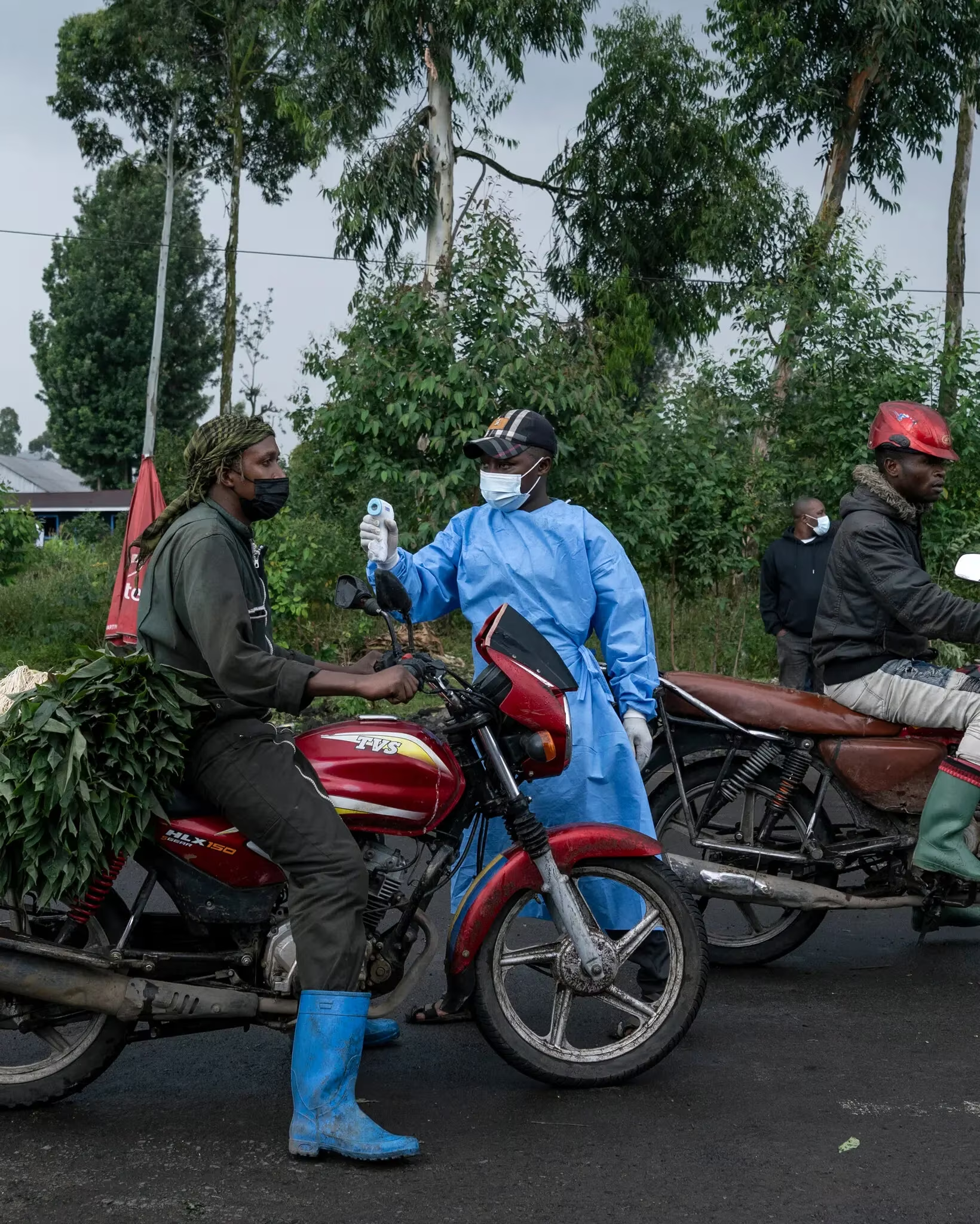
After Covid, scientific capabilities improved significantly. Researchers learned to analyze new pathogens more rapidly and develop vaccines in record time.
But the pandemic itself deepened global inequality and political polarization. Wealthy countries gained access to vaccines first and quickly rolled out booster campaigns, while many poorer nations had not even received their first shipments.
Within countries themselves, the pandemic fueled distrust toward scientists and deepened political conflict over lockdowns, school closures, and mandatory vaccination.
Since then, the situation has only worsened. Vaccines against mpox, whose outbreak began in 2022, reached poorer countries nearly two years after the epidemic started—more slowly than during Covid itself.
Pandemic Treaty Talks Are Stalling Over Equality
The divisions are especially visible in negotiations over a new international pandemic agreement. Developing countries are willing to rapidly share genetic data and samples of new viruses, but demand guarantees of equal access to medicines, vaccines, and tests developed from that information. Wealthy states remain reluctant to take on such commitments.
The United States Left the System It Once Built
A major blow to the global healthcare system came from the Donald Trump administration’s decision to effectively dismantle USAID operations and terminate most international aid programs. The United States also withdrew from the WHO and stopped supporting international mechanisms requiring mandatory reporting of disease outbreaks.
The consequences are already becoming visible. American specialists did not participate in investigating the hantavirus outbreak aboard a cruise ship, and the response only began nearly a month after the first death. Washington learned about the new Ebola outbreak only nine days after the WHO had already received and circulated the alert.
Until recently, the United States played a central role in fighting epidemics—coordinating international efforts, providing funding, and deploying specialists. Now, as the Ebola outbreak demonstrates, the absence of American involvement is weakening disease surveillance, delaying testing, and creating shortages of protective equipment for healthcare workers.
The Next Pandemic Will Arrive in a World Without Its Previous Leader
As the WHO assembly concluded, healthcare officials once again spoke about the need to prepare for the next pandemic. But the United States was largely absent from those discussions—for the first time in decades, its seat at the table stood empty.