The U.S. Treasury Department has issued a new license governing transactions involving Russian oil and petroleum products.
It replaces the March 12 document, which was in effect until April 11 and permitted shipments provided the cargo had been loaded onto vessels before that date. The updated version introduces an additional restriction—transactions involving Cuba, Iran, North Korea, as well as the annexed territories of Ukraine, are now prohibited.
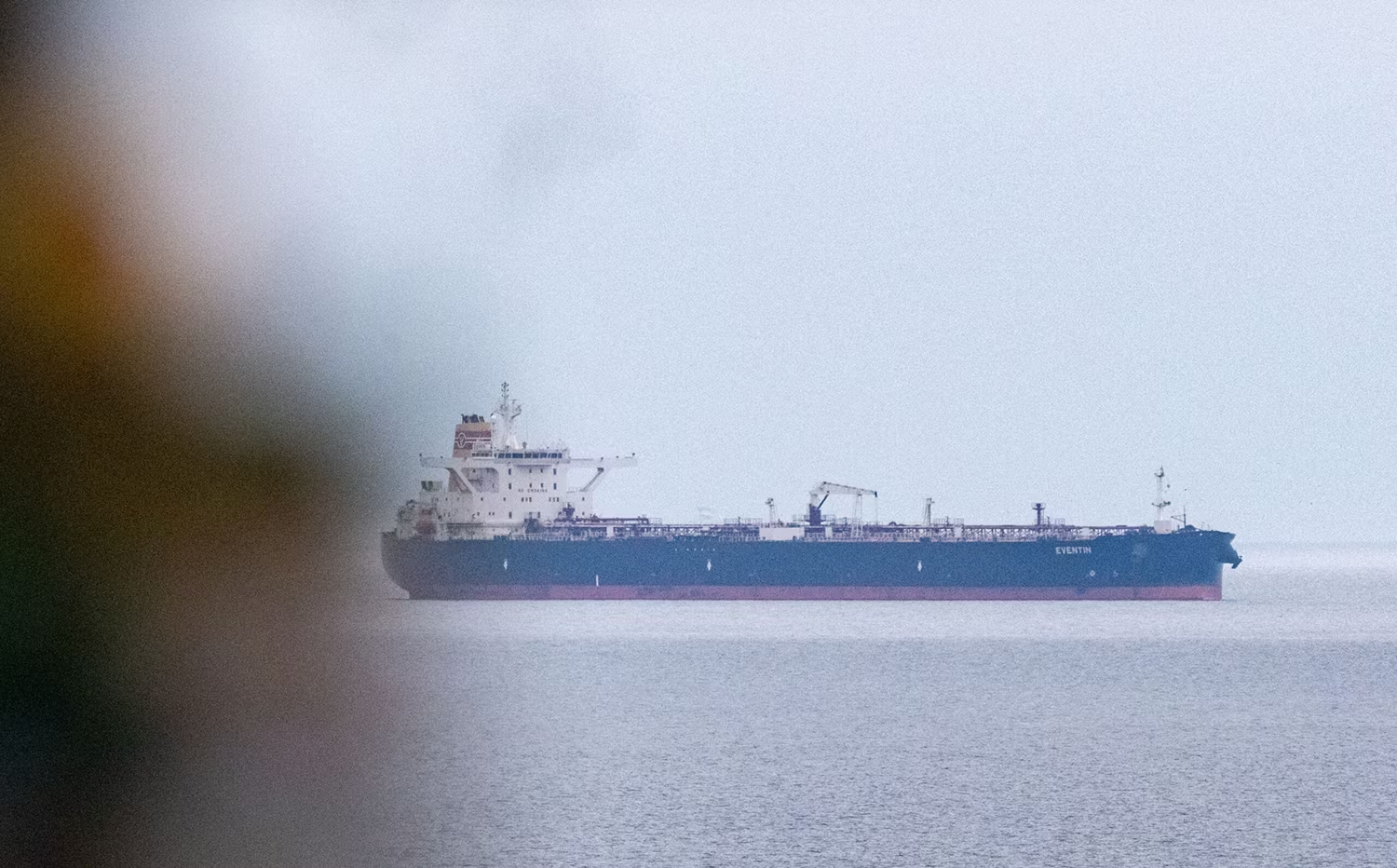
The adjustment to the regime came shortly after reports that the Russian tanker Anatoly Kolodkin, carrying more than 700,000 barrels of oil, is due to arrive in Cuba on April 4. Another vessel—the Sea Horse, sailing under the Hong Kong flag—is expected to reach the island on March 23; it is believed to be transporting 27,000 tons of Russian gas.
According to the analytics firm Kpler, the Anatoly Kolodkin departed the port of Primorsk on March 9 and listed the U.S. port of Atlantis as its destination. The New York Times describes this as a “ruse.” The tanker and its owner, Sovcomflot, were placed under U.S. sanctions as early as 2024, making its arrival in the United States highly unlikely, the newspaper notes. According to Kpler, the vessel’s actual destination is Matanzas, Cuba.
If the Sea Horse and the Anatoly Kolodkin do indeed arrive in Cuba, it would mark the first energy shipments to the island in nearly three months—since the United States effectively imposed an energy blockade. According to The New York Times, the volume of oil aboard the Anatoly Kolodkin could supply Cuba with energy resources for several weeks.
On March 12, the United States announced a temporary easing of sanctions on Russian oil. The Treasury allowed shipments of cargo already at sea, provided it had been loaded before that date. The authorization is valid for 30 days—until April 11. Treasury Secretary Scott Bessent said Washington is “providing temporary authorization for countries to purchase Russian oil that is currently at sea” in order to support “stability in global energy markets.”