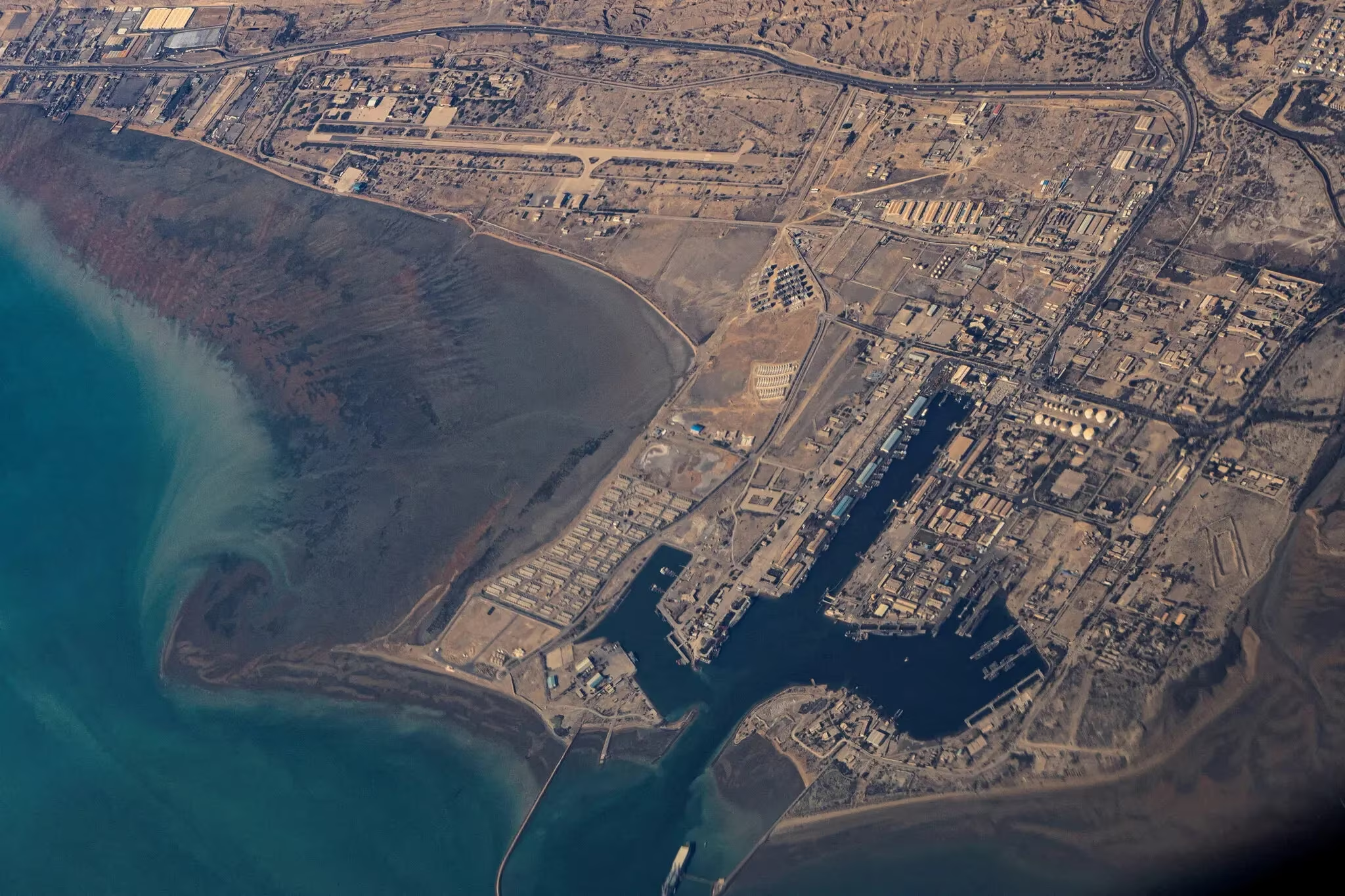
According to an analysis of satellite data and video footage, Iran’s naval forces suffered significant losses during the first week of U.S. and Israeli strikes. At two bases, at least seven moored vessels were destroyed, along with critical naval infrastructure. The entrance to an underground naval facility in the Strait of Hormuz was also struck. However, experts note that U.S. and Israeli forces still face the challenge of fully neutralizing this capability.
So far, the bulk of the strikes has targeted Iran’s regular navy—the Islamic Republic of Iran Navy, which operates conventional warships. The country, however, maintains a second naval force—the fleet of the Islamic Revolutionary Guard Corps, which specializes in asymmetric warfare.
In addition to conventional warships—some of which were destroyed this week—the Guards’ fleet also relies on lighter assets, including large numbers of high-speed boats and uncrewed vessels that are far harder to detect and strike. The IRGC navy is primarily responsible for controlling the Strait of Hormuz and the waters of the Persian Gulf. To restore full security for shipping through the strait, the United States would need to substantially degrade this fleet along with other sources of threat.
A map of the region illustrates the challenges that still confront U.S. forces and global energy supplies.
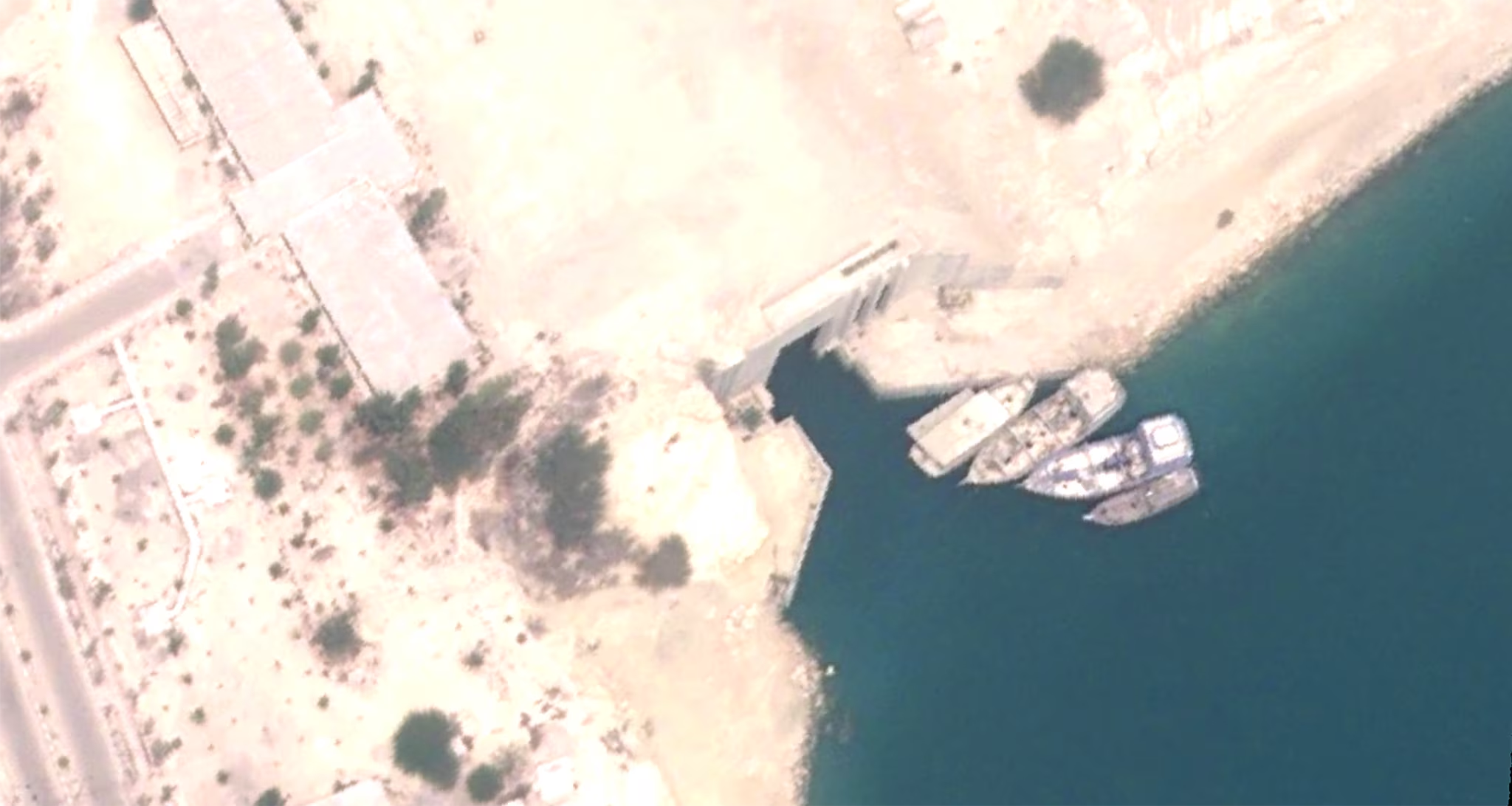
A close-up of the entrance to the underground shelter at the Islamic Revolutionary Guard Corps naval base on Qeshm Island. August 2025.
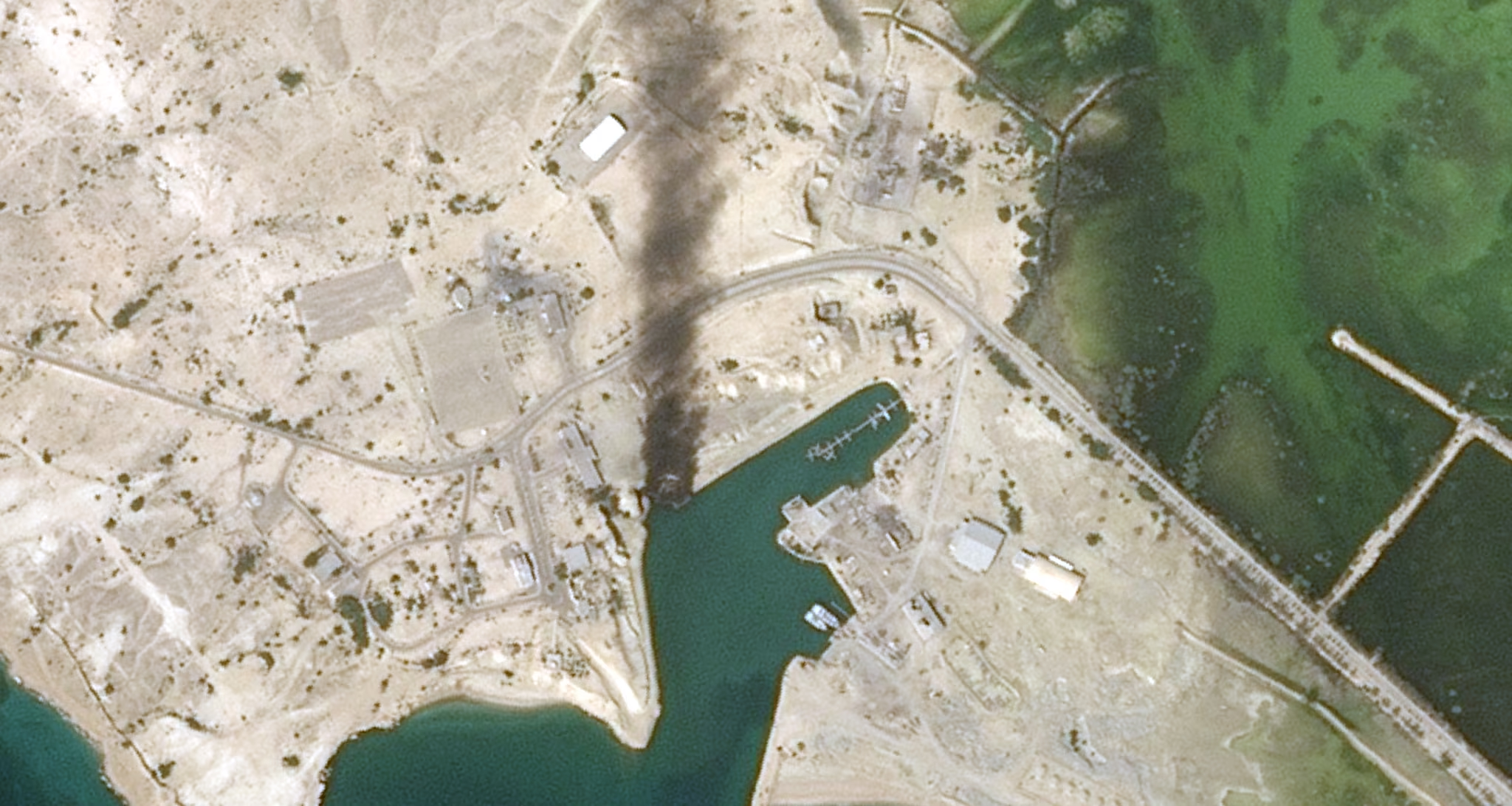
Smoke rises from the entrance to the underground shelter at the Islamic Revolutionary Guard Corps naval base on Qeshm Island. March 4, 2026.
“The bottom line is that destroying Iranian ships belonging to the regular navy represents significant progress,” said Nicholas Carl of the Washington-based Critical Threats Project. “But Iran still retains ways to threaten vessels in the Persian Gulf—especially civilian shipping.”
At least ten commercial vessels have been attacked in the Strait of Hormuz and in the two bodies of water it connects—the Persian Gulf and the Gulf of Oman. Most of the ships reported being struck by “unknown projectiles,” with several impacts occurring above the waterline, which may indicate the use of maritime drones or other small craft.
Satellite imagery also shows that this week U.S. forces carried out strikes against both Islamic Revolutionary Guard Corps naval facilities and the regular navy’s forces at several key locations across the region.