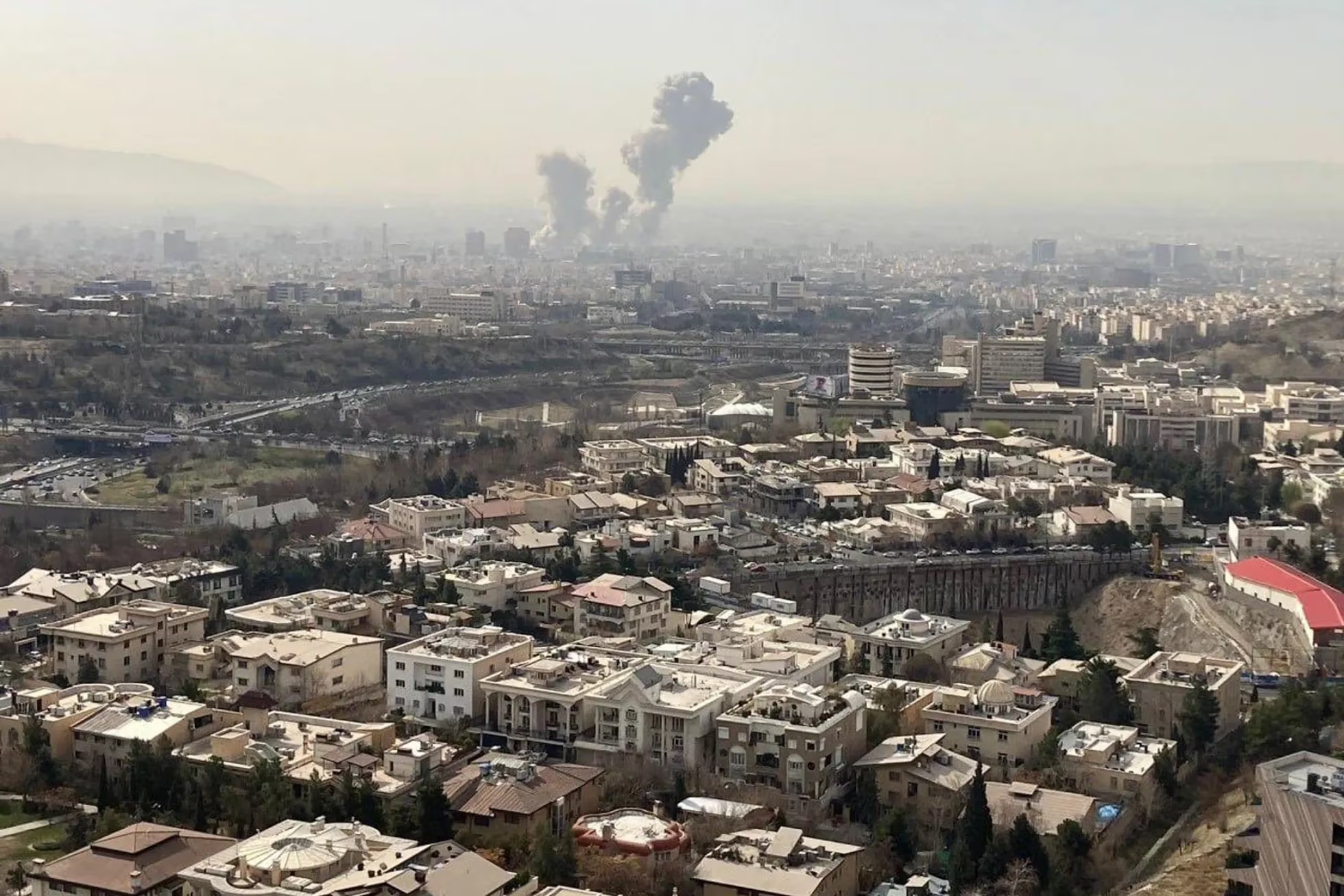
On the morning of February 28, the United States and Israel launched a joint military operation against Iran. Missile and air strikes hit multiple sites across the country, including the office and residence of Supreme Leader Ayatollah Ali Khamenei in Tehran. Strikes were also reported in Karaj—a suburb of the capital and a key hub of Iran’s nuclear and military industry—as well as in Isfahan, Kermanshah, Tabriz, and other major cities.
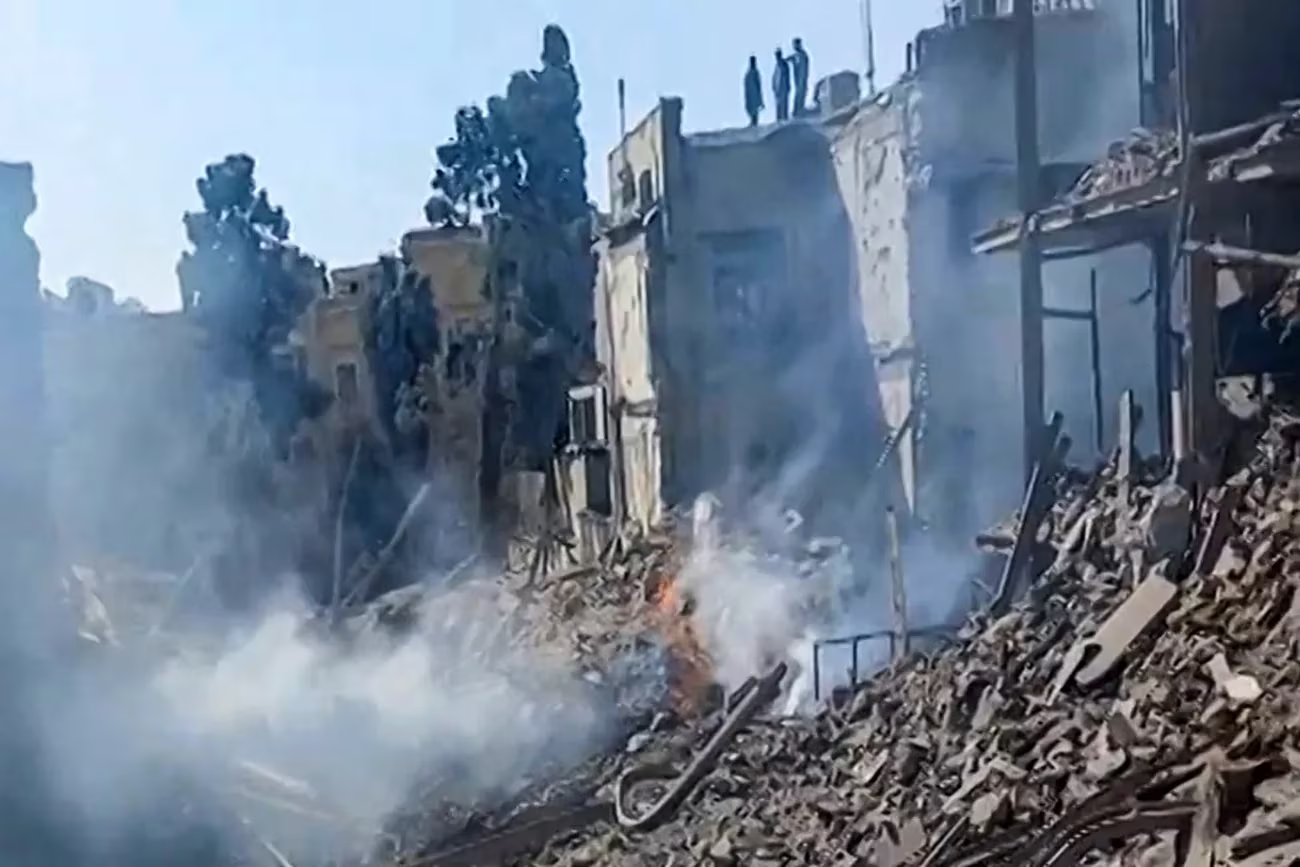
Tehran. February 28, 2026.
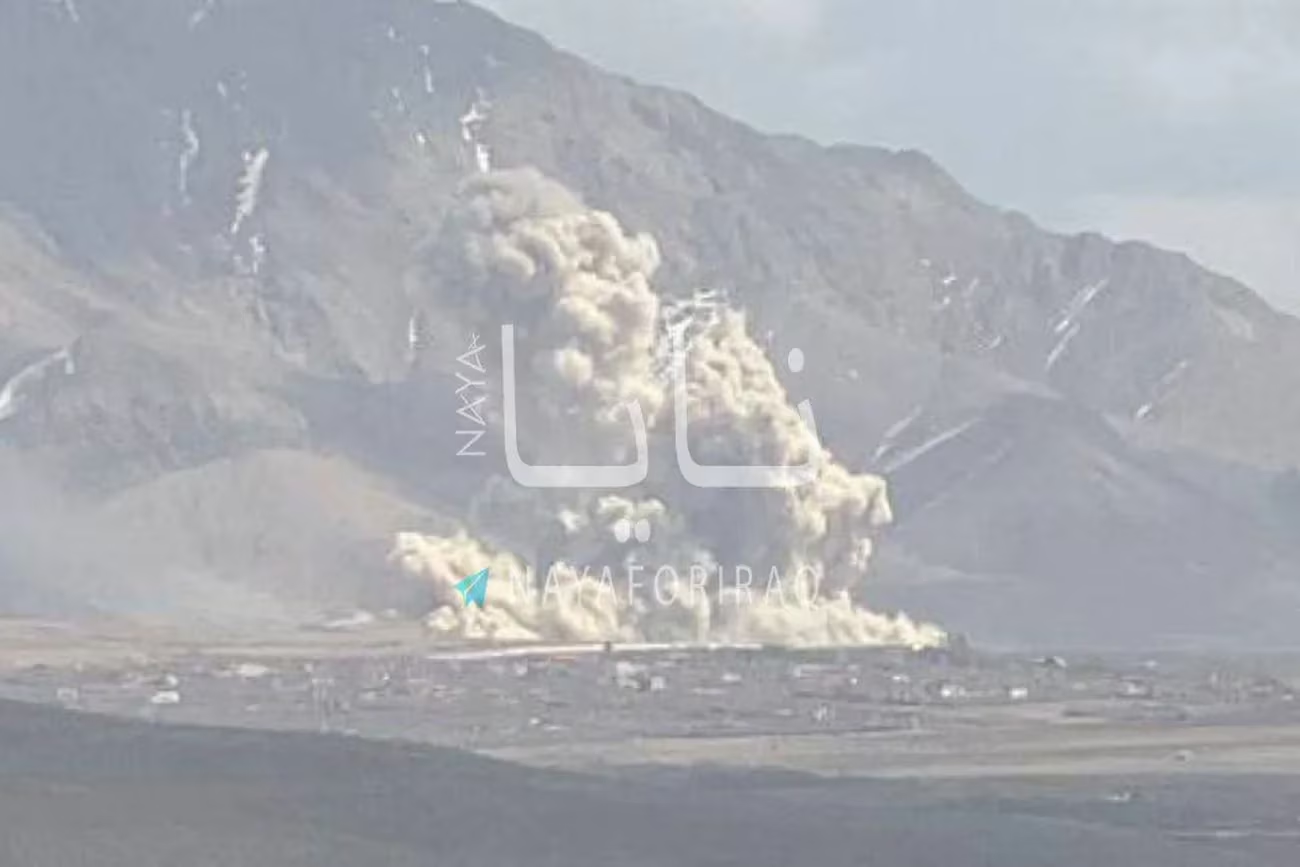
Tabriz. February 28, 2026.
According to available information, the operation’s priority targets included not only military facilities but also members of Iran’s military and political leadership—including Khamenei, President Masoud Pezeshkian, and commanders of the Islamic Revolutionary Guard Corps. By preliminary assessments, the strikes were described as “very successful.” Iranian sources, however, claim that Khamenei is “in a safe location” outside Tehran. There is currently no information on the fate of other senior Iranian figures.
Iranian media report a strike on a girls’ primary school in Hormozgan Province, which they say was carried out by the United States and Israel.
According to preliminary information, at least 36 schoolgirls were killed, while children and teachers are said to remain trapped under the rubble; rescue operations are ongoing.
U.S. President Donald Trump said that the operation is aimed at eliminating the threat posed by Iran, above all to prevent the development of nuclear weapons and missiles capable of reaching U.S. territory. He urged members of the Islamic Revolutionary Guard Corps, the Iranian army, and security forces to lay down their arms in exchange for amnesty. Trump also addressed the Iranian public, calling on people to remain in shelters until the bombing ends and then to “take power.”
Israeli Prime Minister Benjamin Netanyahu said the goal of the operation is the “elimination of an existential threat,” and that its outcome should be the “creation of conditions for the brave Iranian people to become masters of their own destiny.”
A state of emergency has been declared in Israel—schools, kindergartens, and government institutions have been closed, and entertainment events canceled. The Israel Defense Forces announced the mobilization of 70,000 reservists.
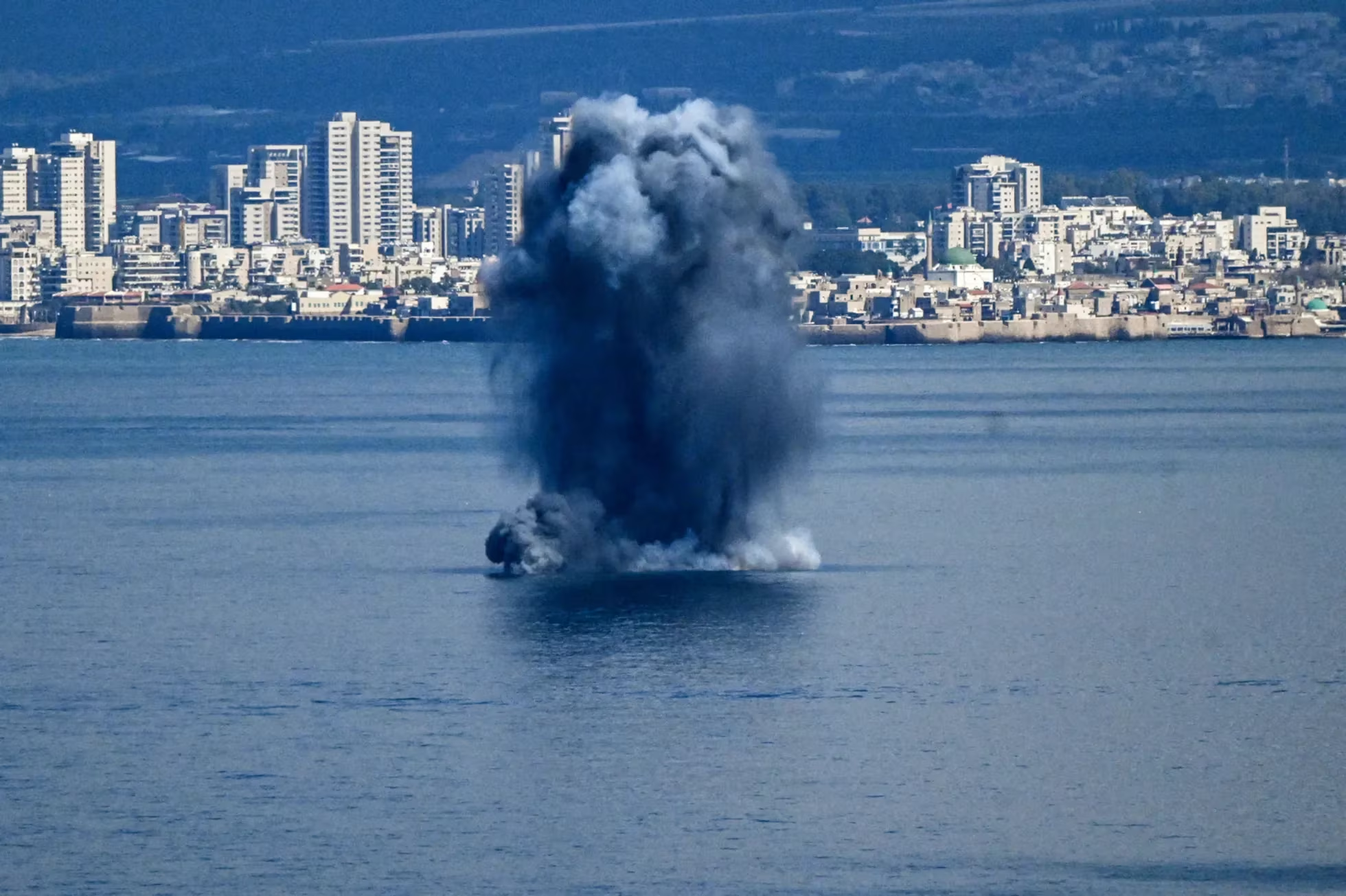
Iranian missile strike on Israel. Haifa, February 28, 2026.
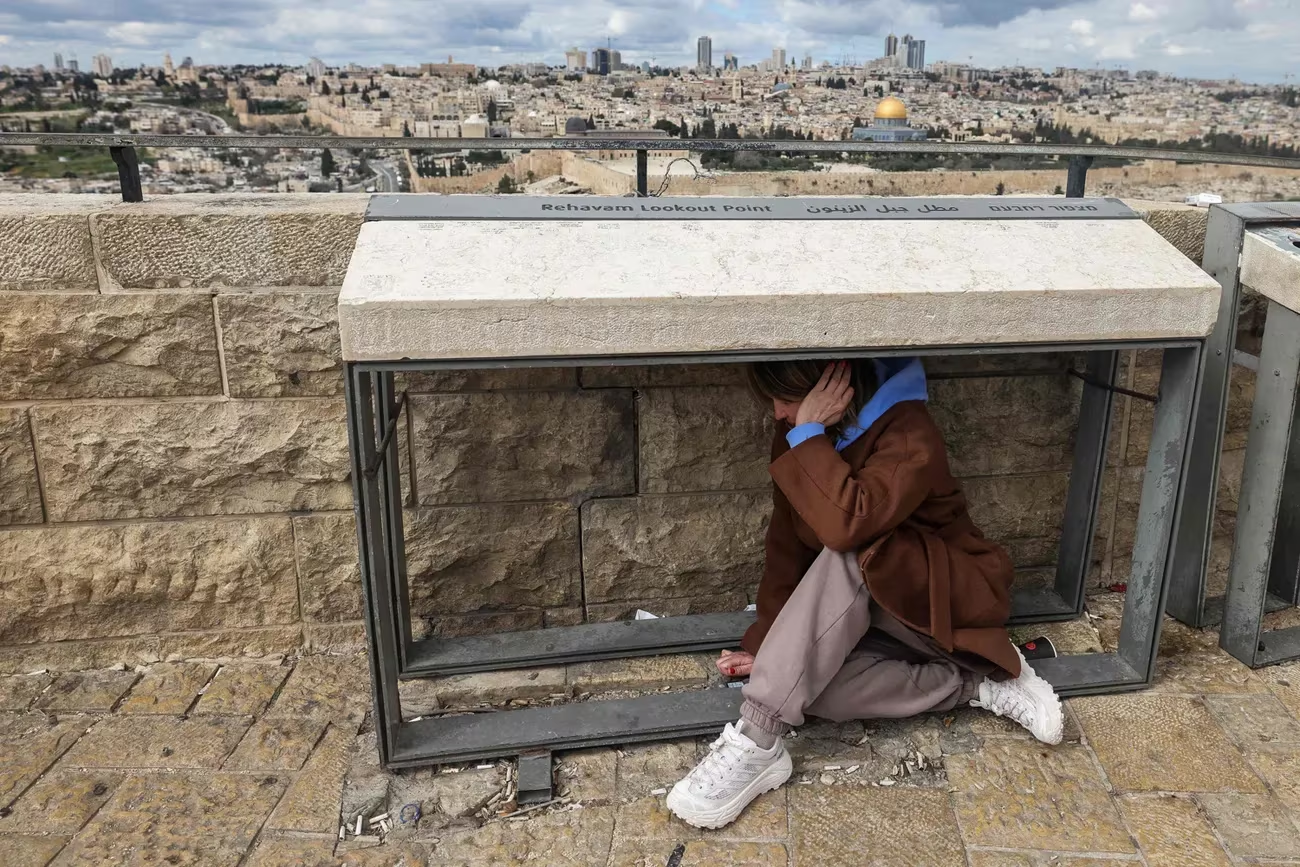
Jerusalem. February 28, 2026.
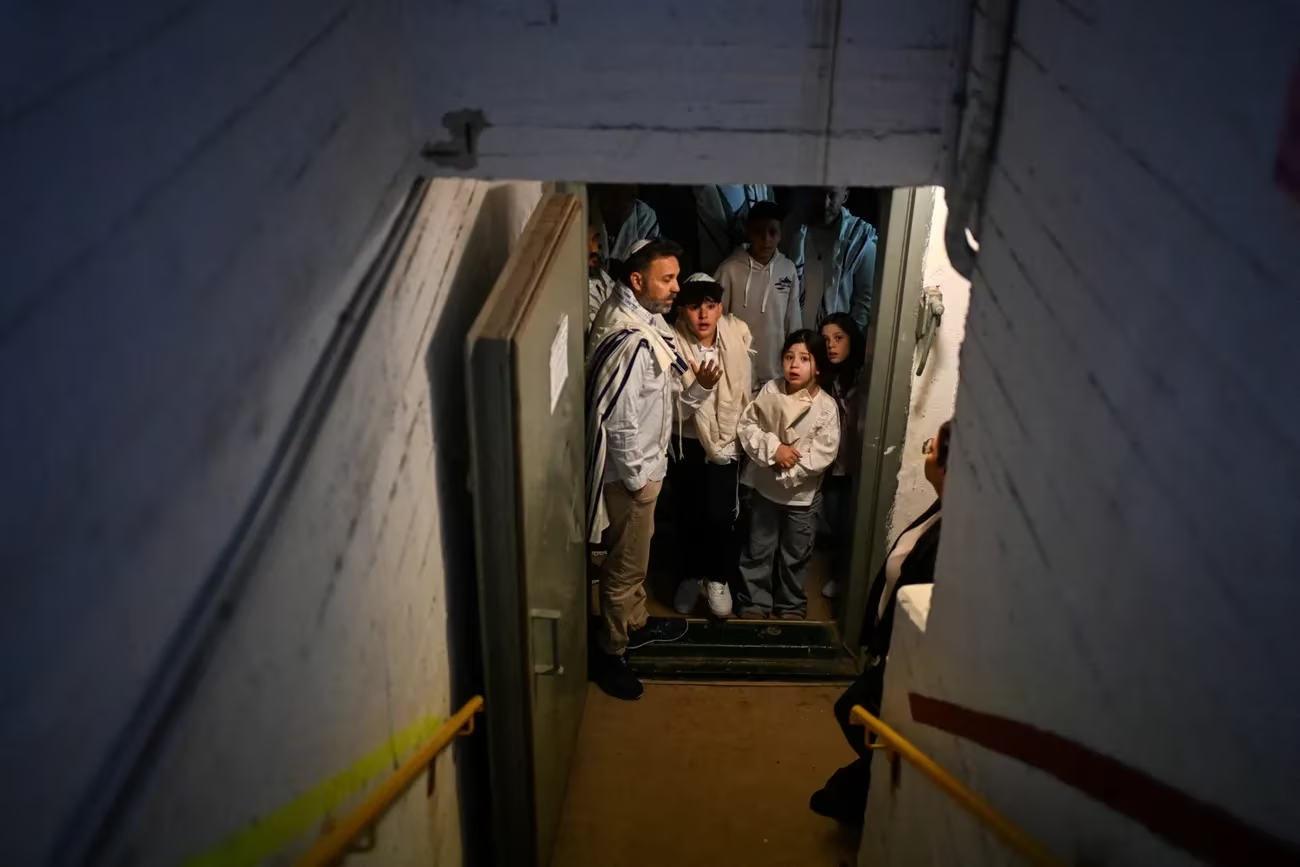
Israelis in an underground shelter. Haifa, February 28, 2026.
Alongside the strikes on Iran, Israel carried out several attacks on positions of the terrorist movement Hezbollah in southern Lebanon. The group is regarded as Iran’s closest ally, and Israeli officials fear its potential entry into the conflict. Another Iranian proxy—the Yemeni Houthis—has already announced the resumption of attacks on Israel and the blocking of shipping in the Red Sea.
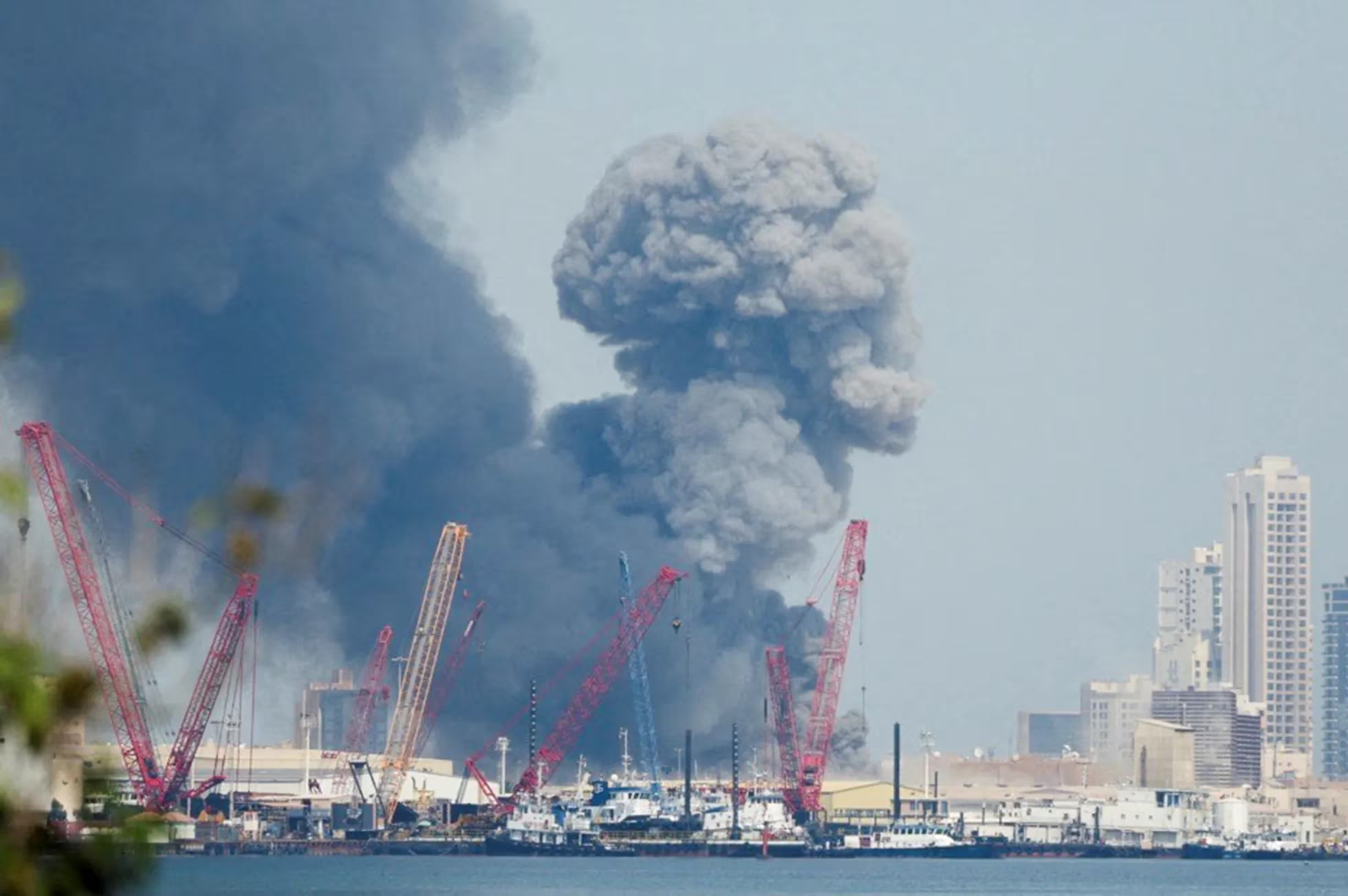
Manama, the capital of Bahrain. February 28, 2026.
Approximately three hours after the operation began, Iran moved to retaliate. Missile strikes were launched against Israeli territory, as well as U.S. military bases in Kuwait, Qatar, Bahrain, and the United Arab Emirates. Regional U.S. allies were also affected—air-raid alerts were declared, including in Saudi Arabia’s capital, Riyadh, despite the kingdom’s earlier stated refusal to allow its airspace to be used for attacks on Iran.
Iran, Israel, and a number of Persian Gulf states have completely closed their airspace.