U.S. intelligence has prepared a report concluding that China is using the U.S.-Israeli war against Iran to strengthen its position across military, economic, and diplomatic spheres. The Washington Post reports, citing sources.
According to the newspaper, the document was delivered this week to Chairman of the Joint Chiefs of Staff General Dan Caine. WP reports that the intelligence findings triggered concern within the Pentagon over the potential long-term geopolitical consequences of the conflict with Iran.
According to the intelligence assessment, China expanded arms deliveries to U.S. allies in the Persian Gulf during the war and helped various countries address energy shortages amid disruptions caused by the closure of the Strait of Hormuz.
The report also claims that U.S. involvement in the conflict resulted in the depletion of munitions that could prove critical in the event of a crisis over Taiwan. In addition, intelligence officials believe Beijing gained an opportunity to observe the actions of the U.S. military in a real conflict and use those lessons in planning its own future operations.
Pentagon spokesman Sean Parnell rejected conclusions suggesting a shift in the global balance of power. He said the United States continues to maintain superiority and retains sufficient military and industrial resources to defend its interests and deter adversaries.
The White House also criticized such assessments. Administration spokesperson Olivia Wales said that over 38 days of war, the United States had delivered a “devastating blow” to Iran’s military capabilities and that the U.S. military remains “the greatest fighting force on the planet.”
The Chinese Embassy in the United States said Beijing remains committed to reducing tensions and supports efforts to prevent further escalation in the Middle East.
Chinese officials also urged others not to use the situation as an opportunity to “throw mud at other countries.”
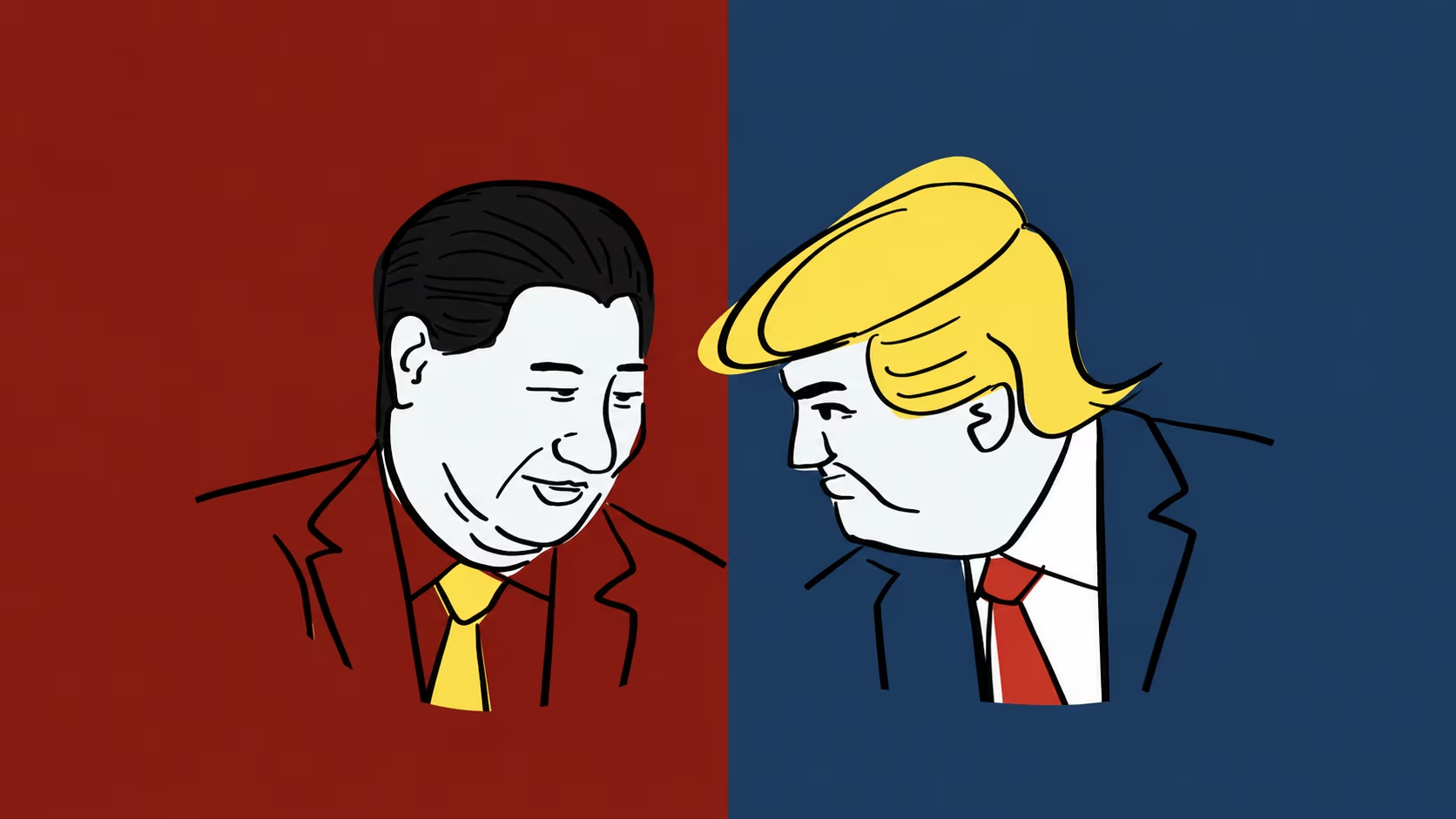
The intelligence report was prepared ahead of the May 14 meeting between Donald Trump and Xi Jinping in Beijing. During the talks, the Chinese leader warned that tensions surrounding Taiwan could lead to “confrontations and even conflicts” between the two countries.
China considers Taiwan part of its territory, while the United States has traditionally remained the island’s principal external partner. Against the backdrop of rising tensions in recent years, Western analysts have increasingly debated the likelihood of a military crisis over Taiwan in the years ahead.