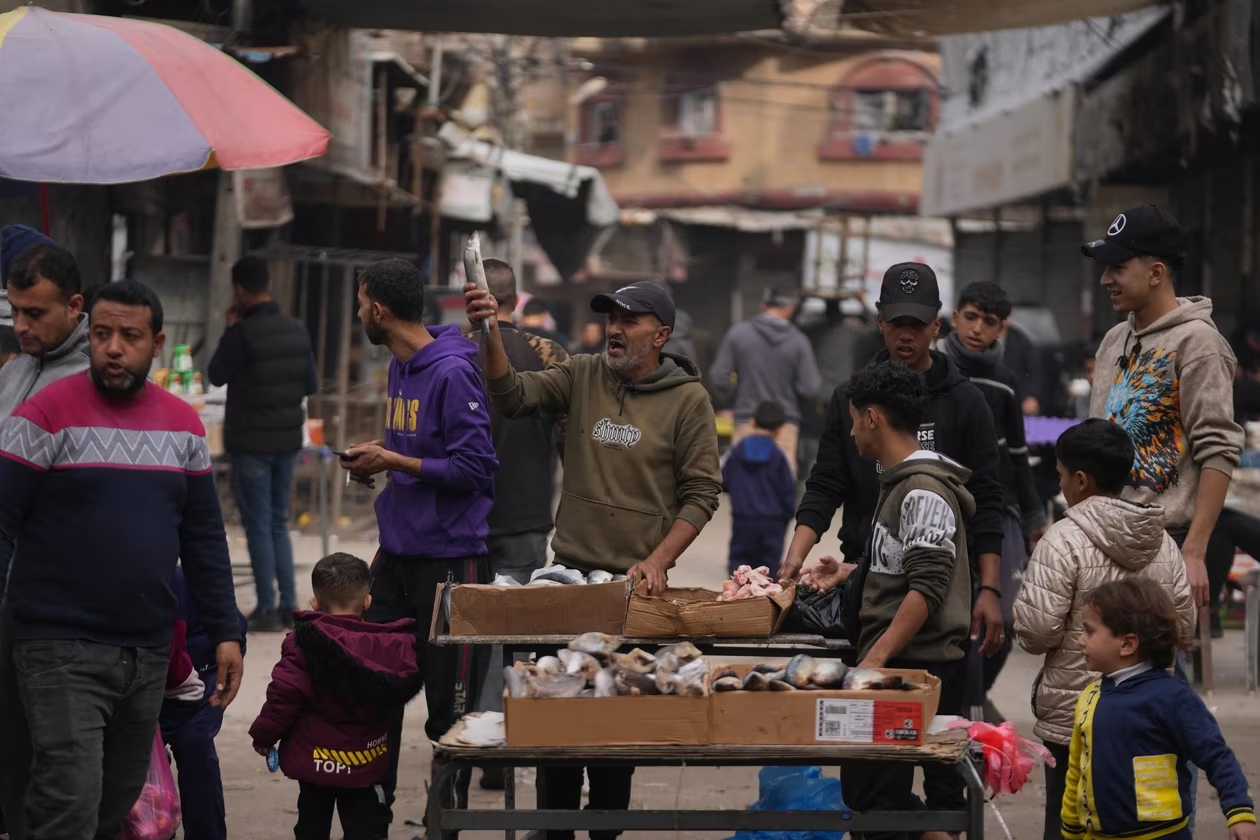
According to the UN-backed food security assessment system, famine is no longer being recorded in the Gaza Strip. As stated in a report published on Friday, the enclave is gradually emerging from the most acute phase of the crisis after two years of intense fighting between Israel and Hamas.
A December review by the Integrated Food Security Phase Classification notes that conditions related to nutrition and access to food have improved. According to UN Secretary-General António Guterres, “famine has been pushed back. Far more people are now able to obtain the food they need to survive.”
At the same time, the report stresses that humanitarian risks remain severe. Around 1.6 million Gaza residents continue to face acute food insecurity. More than 100,000 children aged between six and 59 months are projected by the IPC to suffer from acute malnutrition and to require treatment at least until mid-October 2026. Experts also warn that a resumption of full-scale hostilities could once again plunge large parts of the enclave into famine for months—with trade routes disrupted and local agricultural production brought to a halt.
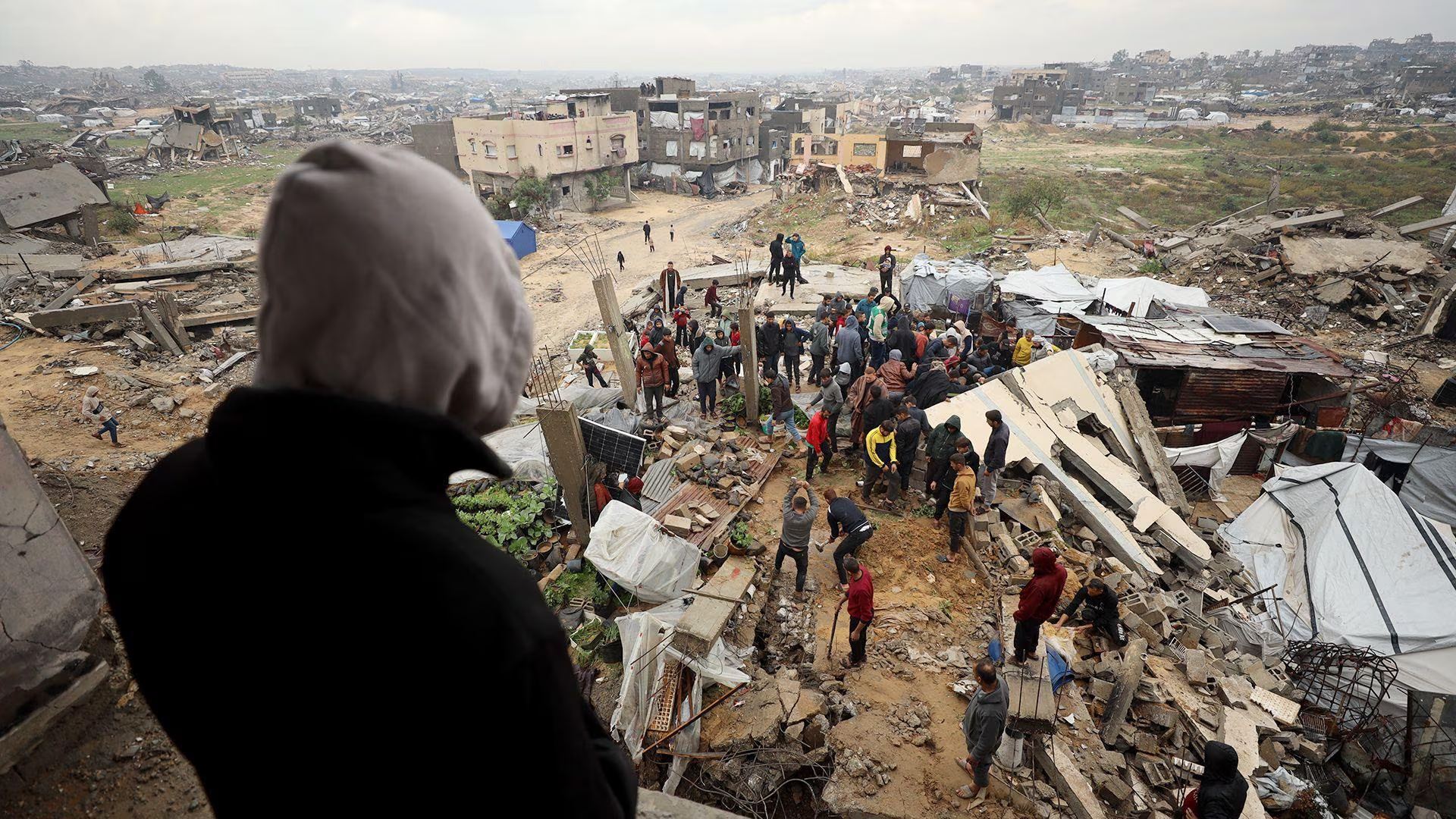
Trump Prepares to Move to the Second Phase of the Gaza Plan
Hamas Disarmament, International Forces, and the Future Governance of the Strip Remain Unclear
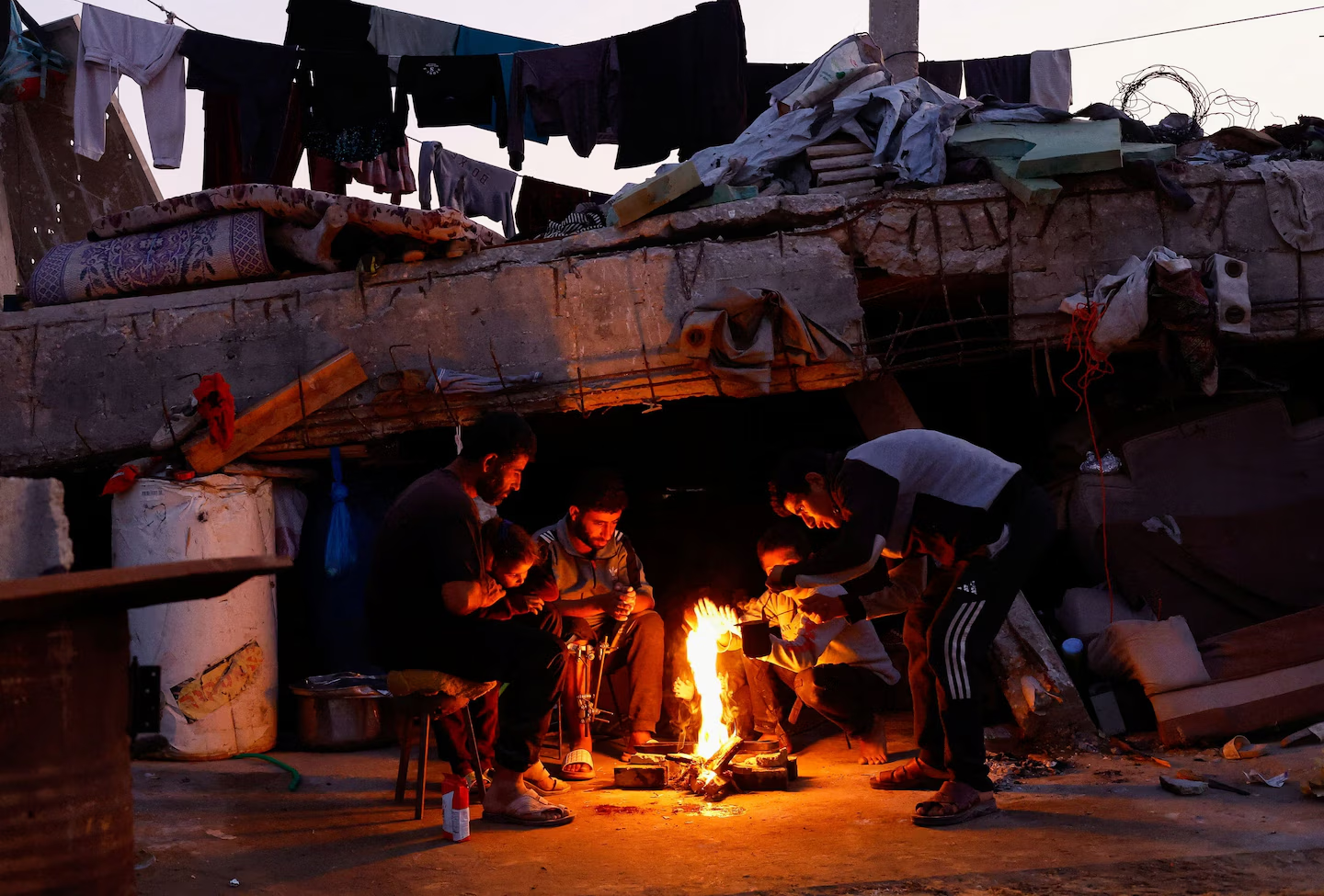
More Than a Million Palestinians in Gaza Remain Without Shelter Ahead of Winter Cold
Israeli Restrictions on Bringing In Tents and Housing Materials Are Blocking Aid and Increasing the Threat of Disease
These findings underscore how fragile the humanitarian situation remains in the aftermath of Israel’s war against Hamas and the formal ceasefire brokered in October with the mediation of the Donald Trump administration. Trump received international praise for helping to secure a temporary calm and the release of 20 Israeli hostages who were still alive. Yet senior figures within the administration voiced serious concerns that elements of the ceasefire agreement could unravel. Israeli forces, despite the arrangements, continued to carry out isolated strikes across Gaza.
“Sustained, expanded, and unhindered humanitarian and commercial supplies, as well as access to these goods across the entire territory, are essential to addressing the challenges identified in the IPC analysis,” the authors of the report note. According to them, this requires a durable settlement of the conflict, along with the restoration of critical infrastructure and livelihoods.