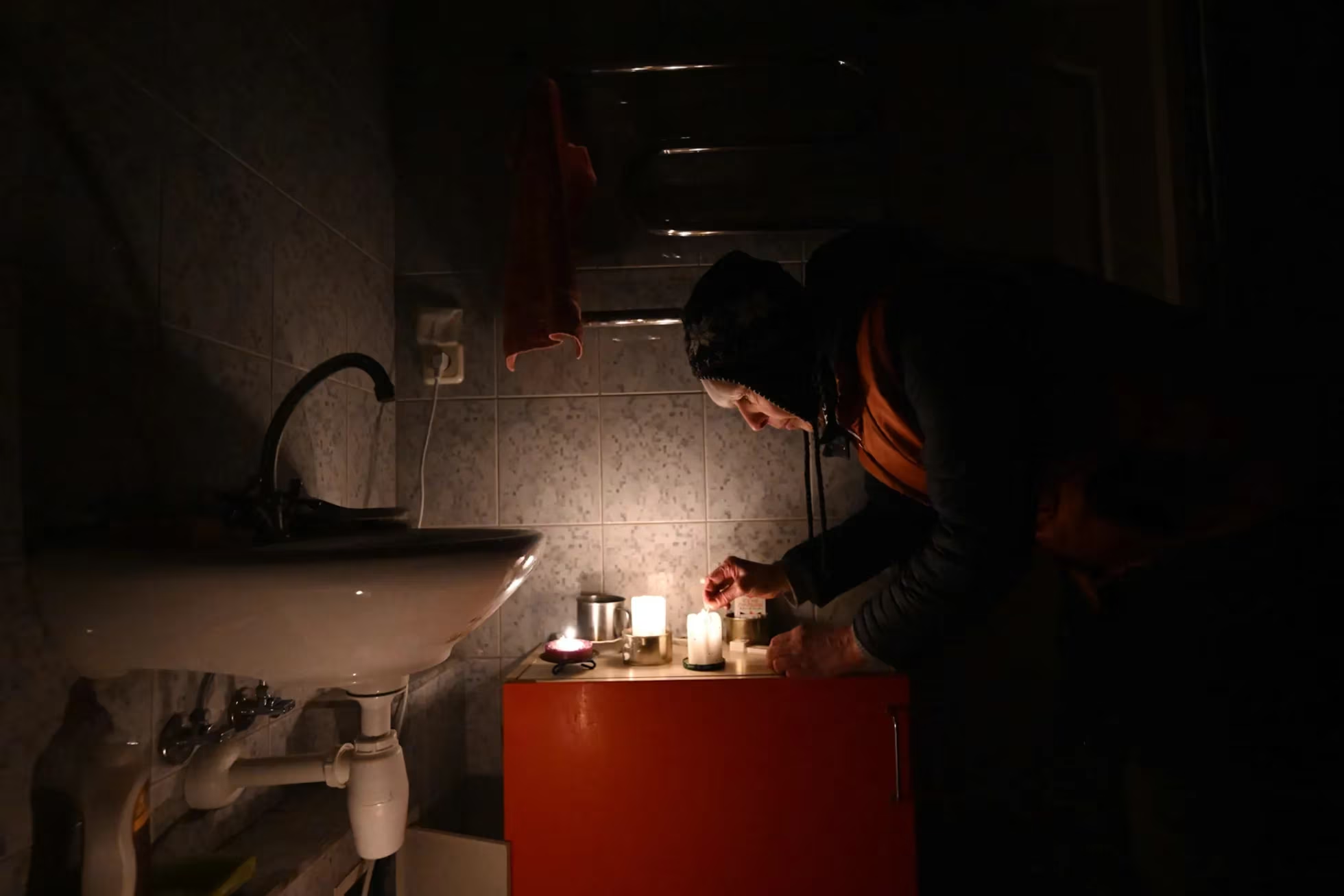
Survival. There Is No Other Way to Describe It. Everyone seems to be holding on, but only just—running on fumes. Generators, power stations, inverters—those are down here, on the ground. Above us—endless air-raid alerts, Shaheds, missiles, and the constant effort to shoot them down. I am sitting in a cold, dark apartment, waiting for the electricity to come back so I can wash the dishes and recharge the power station. If, of course, a drone does not hit the building before that.
And again the same hateful thought forces its way into my head. Right now, at this very minute, while I am hiding like a rat in the darkness and the cold from drones, somewhere on the other side of the world—in some notional New Zealand—an ordinary man finishes work and goes surfing in the ocean. Then he comes home and goes to sleep. And I am sitting in the middle of this apocalypse, thinking: why the hell did I have to be born and live in this country, at this time—and why me, and not that guy on a surfboard?—says Maksym, a resident of Kharkiv.
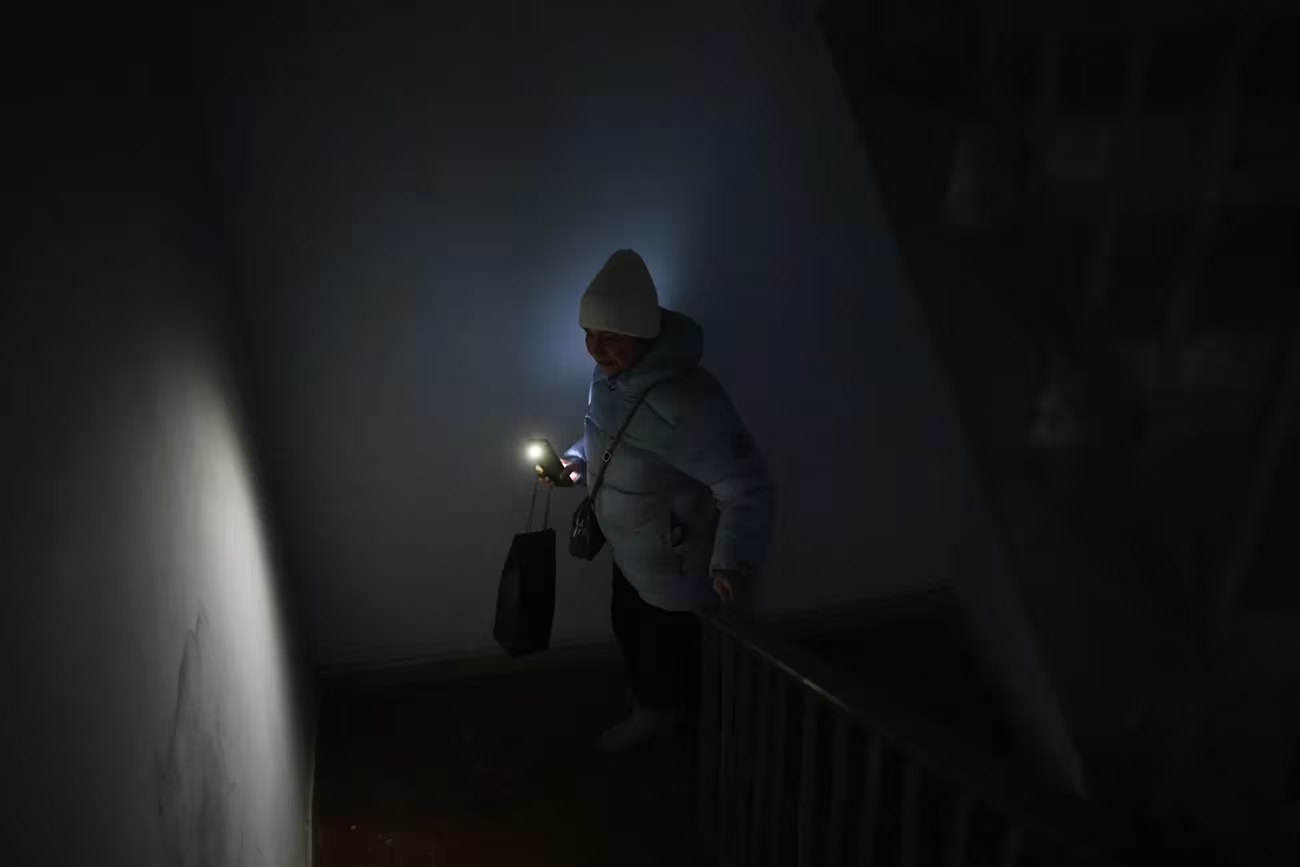
A Kyiv resident climbs to the tenth floor with a flashlight because the elevator is not working.
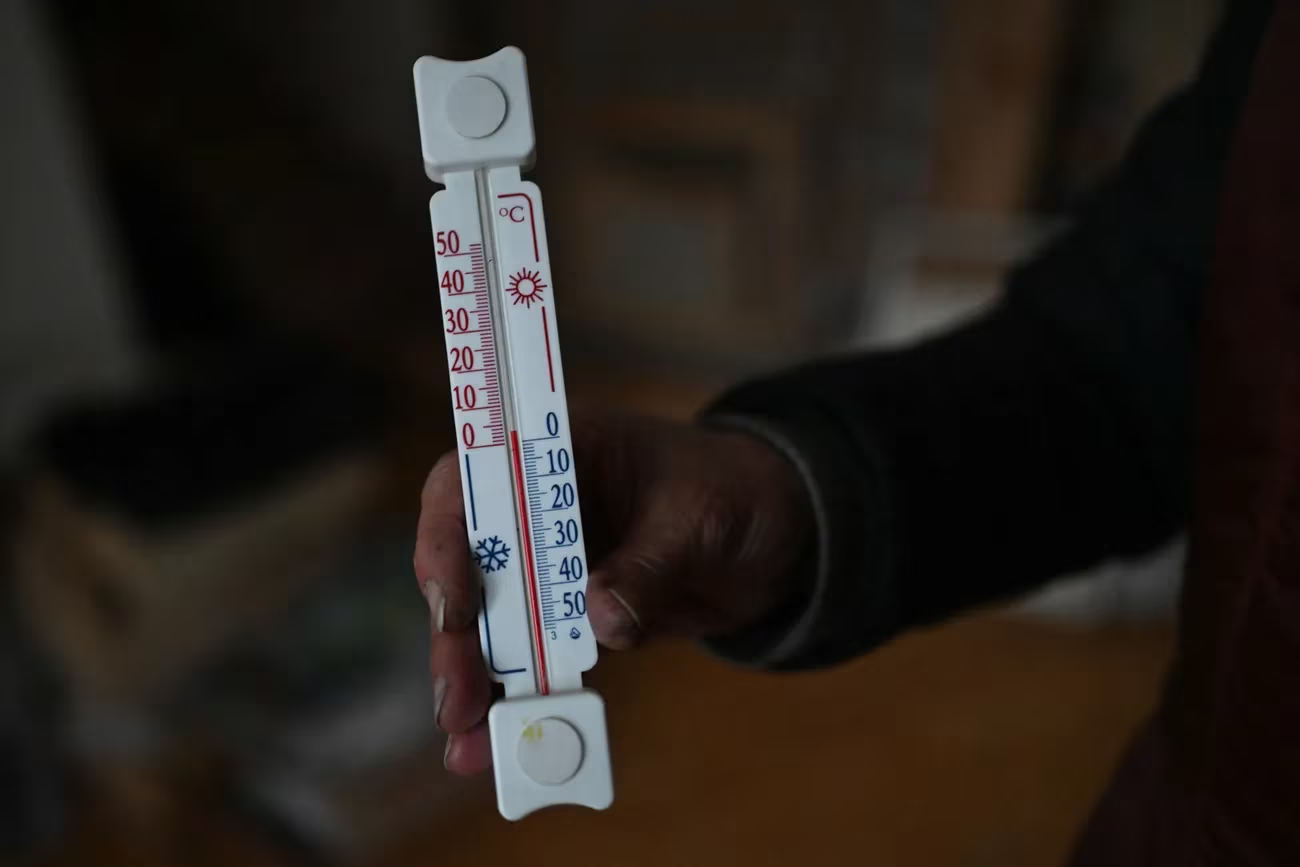
A room thermometer shows a temperature of three degrees Celsius.
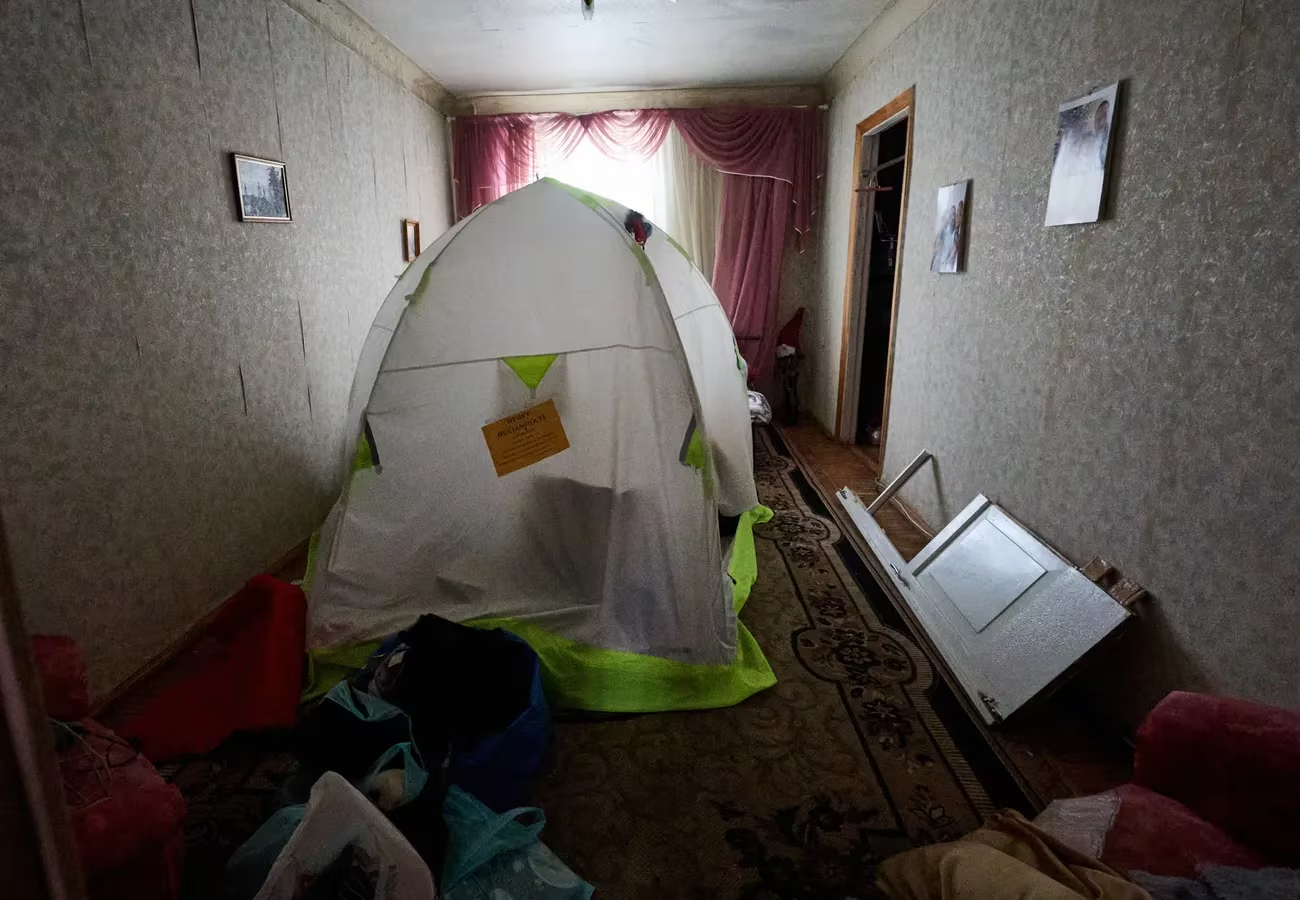
A tent set up inside an apartment in a Kharkiv building damaged by Russian shelling.
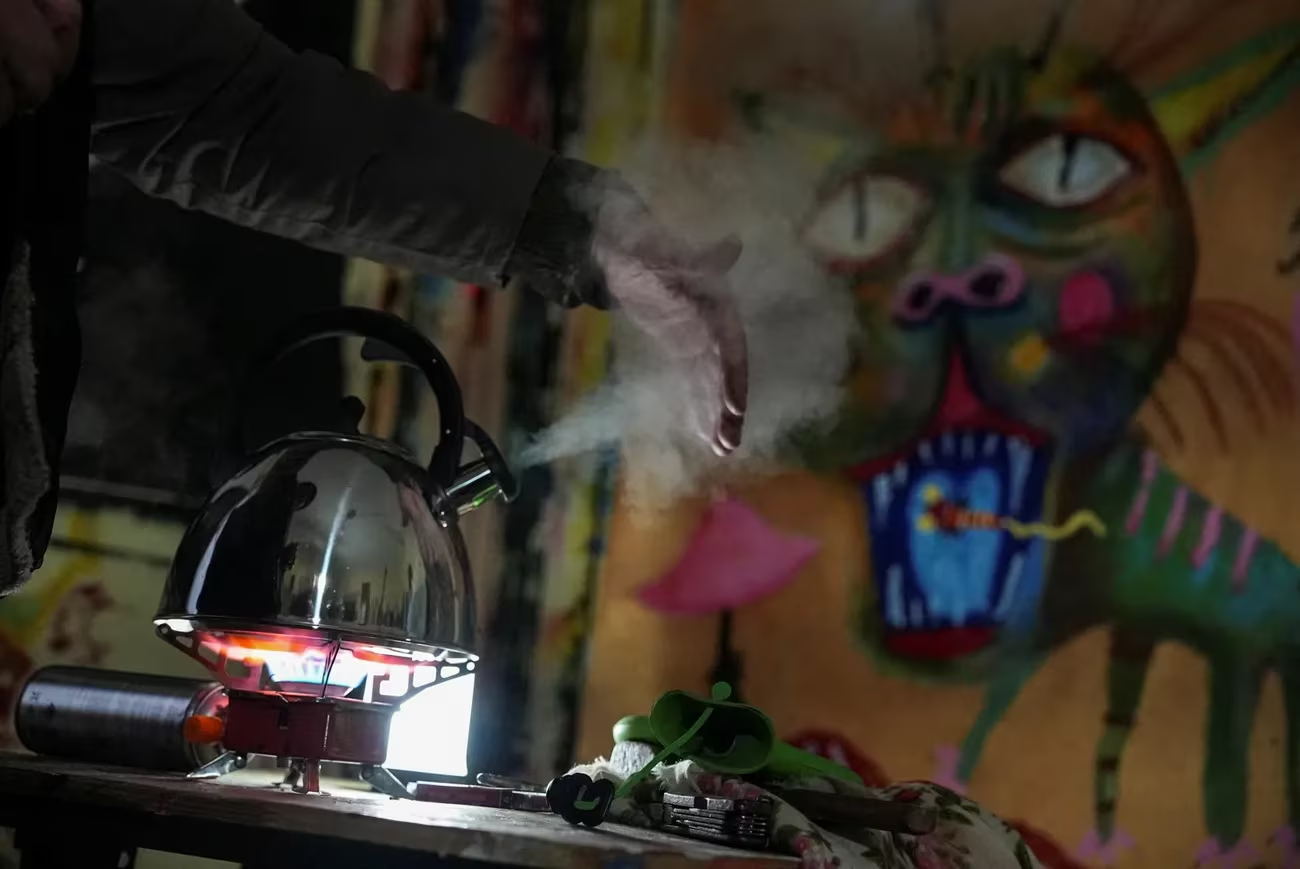
A Kyiv resident boils water on a portable gas burner.
This is not about “oh, winter” and not about “put on a sweater.” This is a cold you cannot escape. It seeps into the walls, the floor, your fingers, your head. It does not let go even when you crawl under three blankets and pretend to be asleep. Chernivtsi. The center of Europe. Shaheds almost never fly here—thanks for that, of course. Instead, there are nineteen hours without electricity.
I am almost certain that I will survive. That I will make it through. That I will find a warm shower, some food, an outlet, a corner of warmth. I am not afraid for myself. I am afraid for those who will not write. Who simply sit in an icy apartment and think: “The main thing is to hold on until morning.” The elderly. Mothers with infants in their arms.
I have a thermos of tea. In the bed—bottles filled with hot water. I pull my son closer. I am doing everything right, by the survival guidelines. But the power is cut for six hours. Then it comes back for one. And in that hour, the warmth does not return.
Today, someone will die from the cold. Not at the front. Not from a missile. Simply in their own apartment. Quietly. Without witnesses. Eighty years have passed since the Second World War. The world said “never again.” People said “we have changed.” Nothing has changed. People are the same beasts,—says Alina, from Kyiv.
A fragment from a Radio Liberty report from Kyiv.
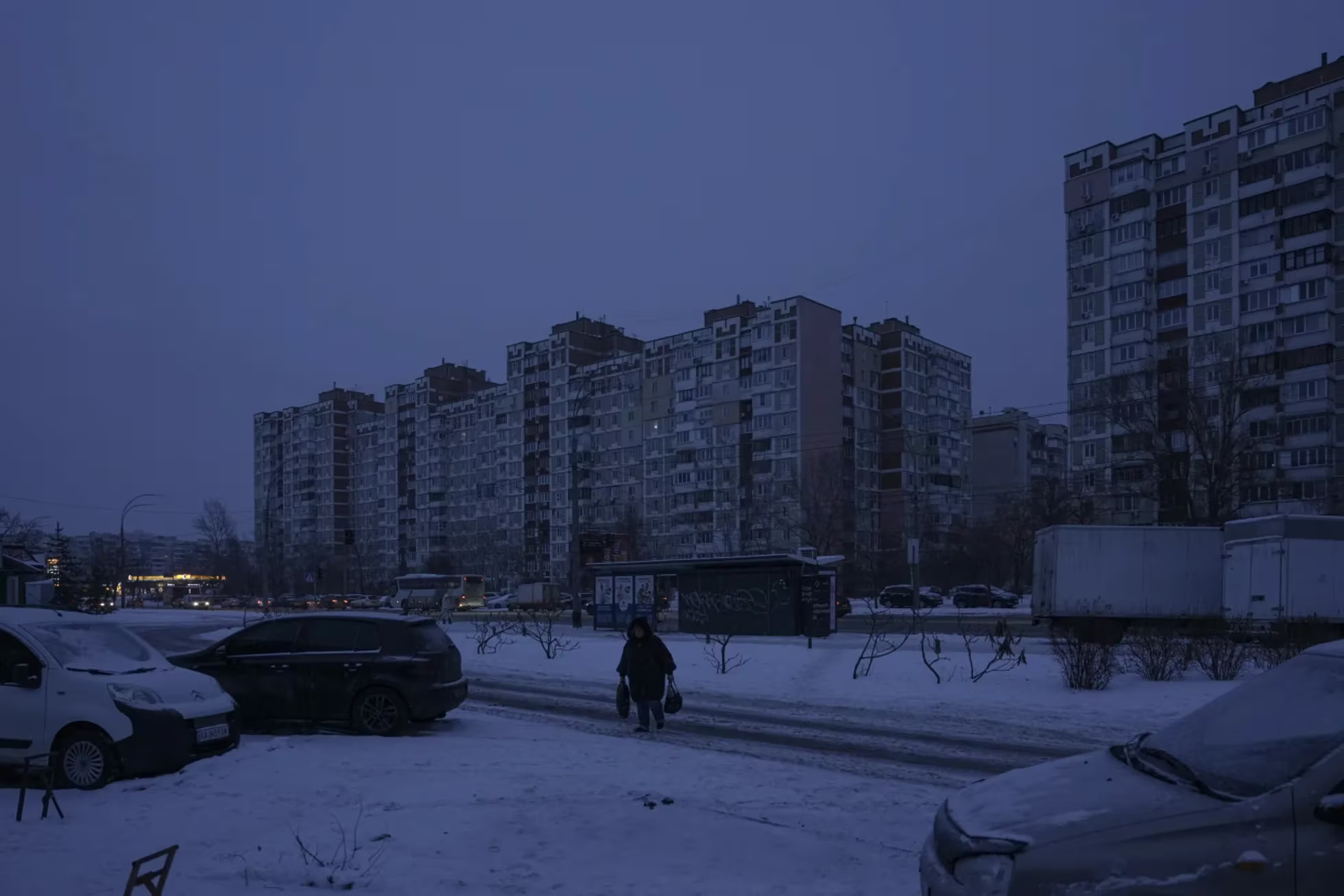
A pedestrian on an unlit street during a power outage in Kyiv. January 23, 2026.
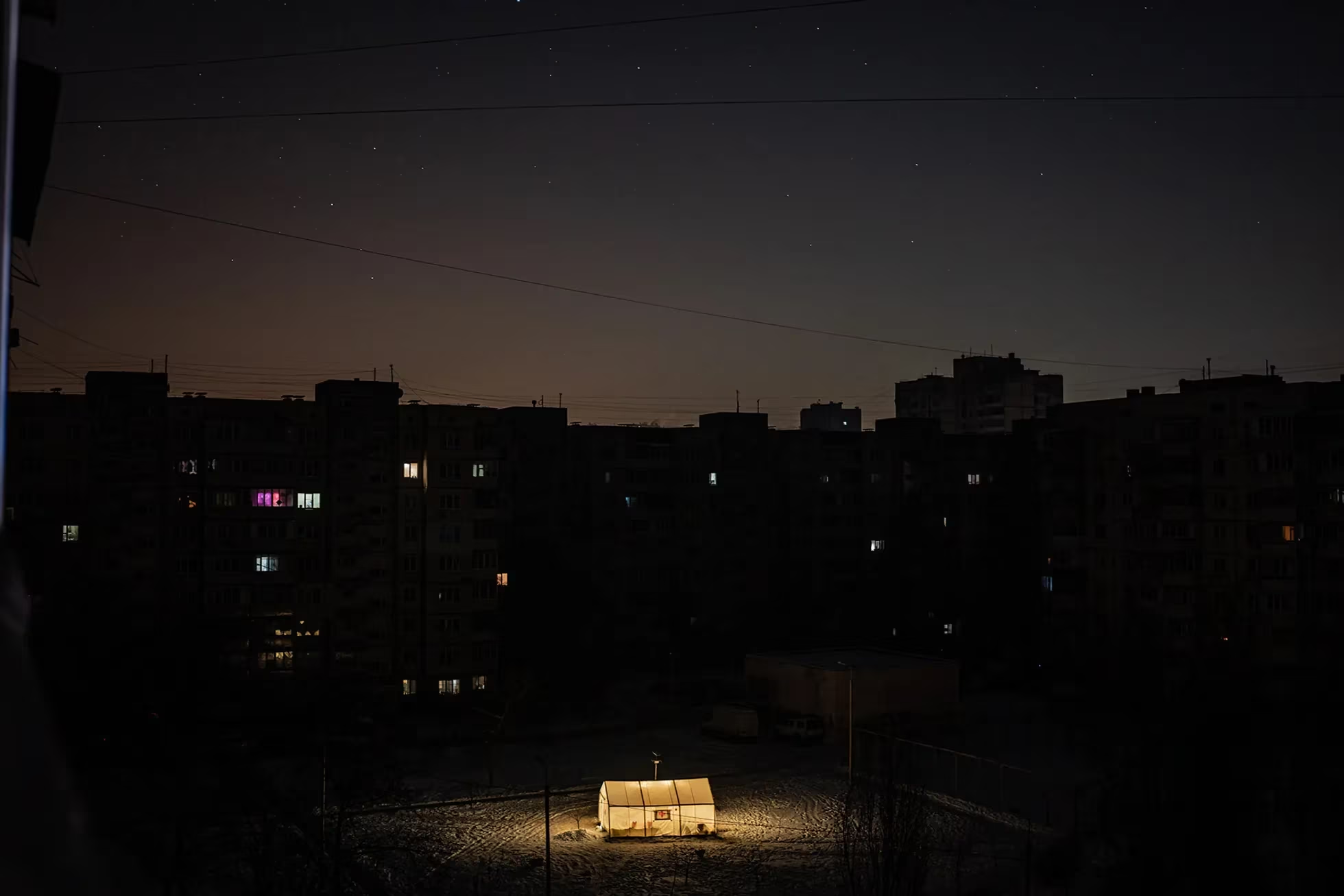
A warming center in Kyiv. January 22, 2026.
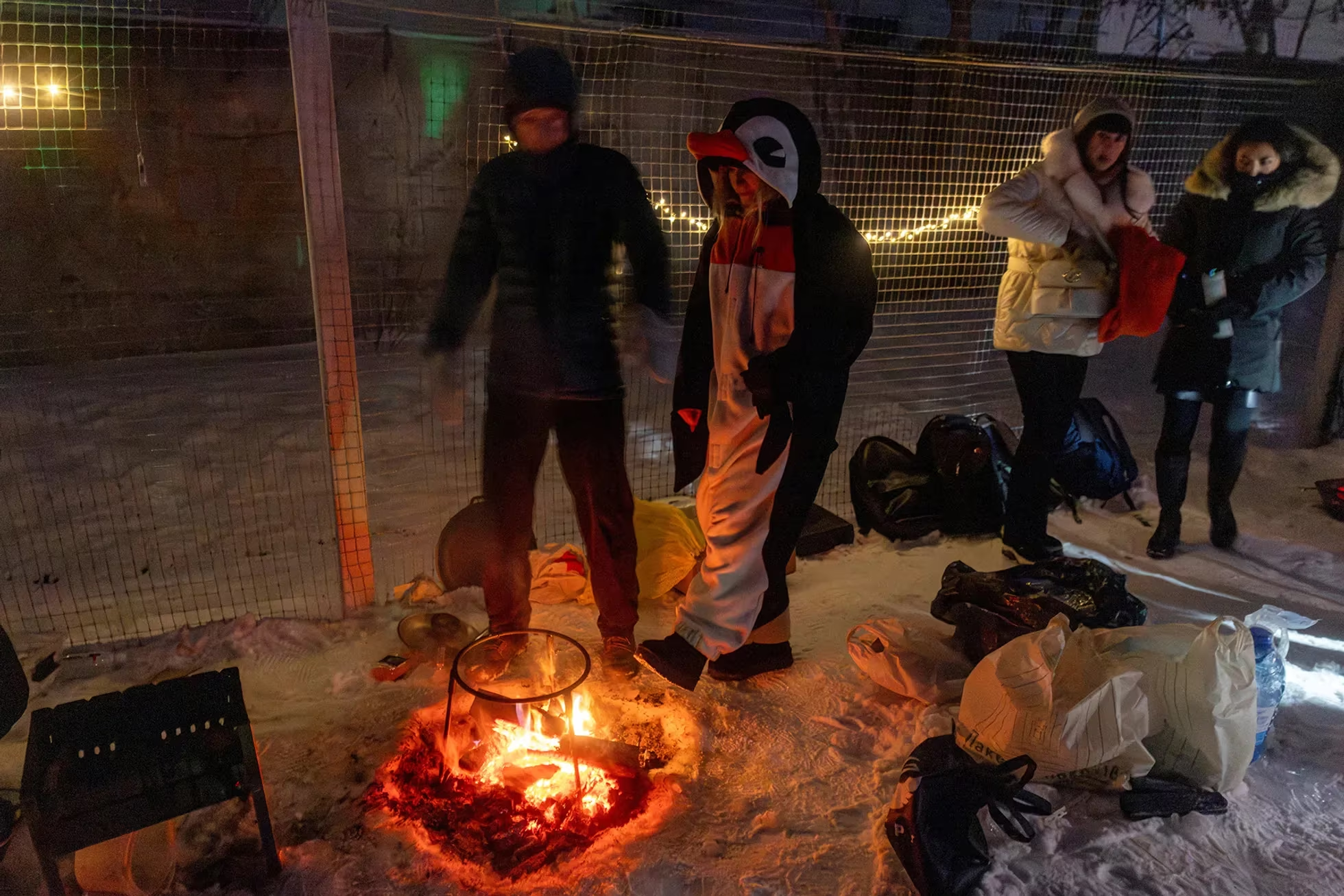
People warm themselves by a fire on a sports ground in a Kyiv neighborhood left without electricity. January 24, 2026.