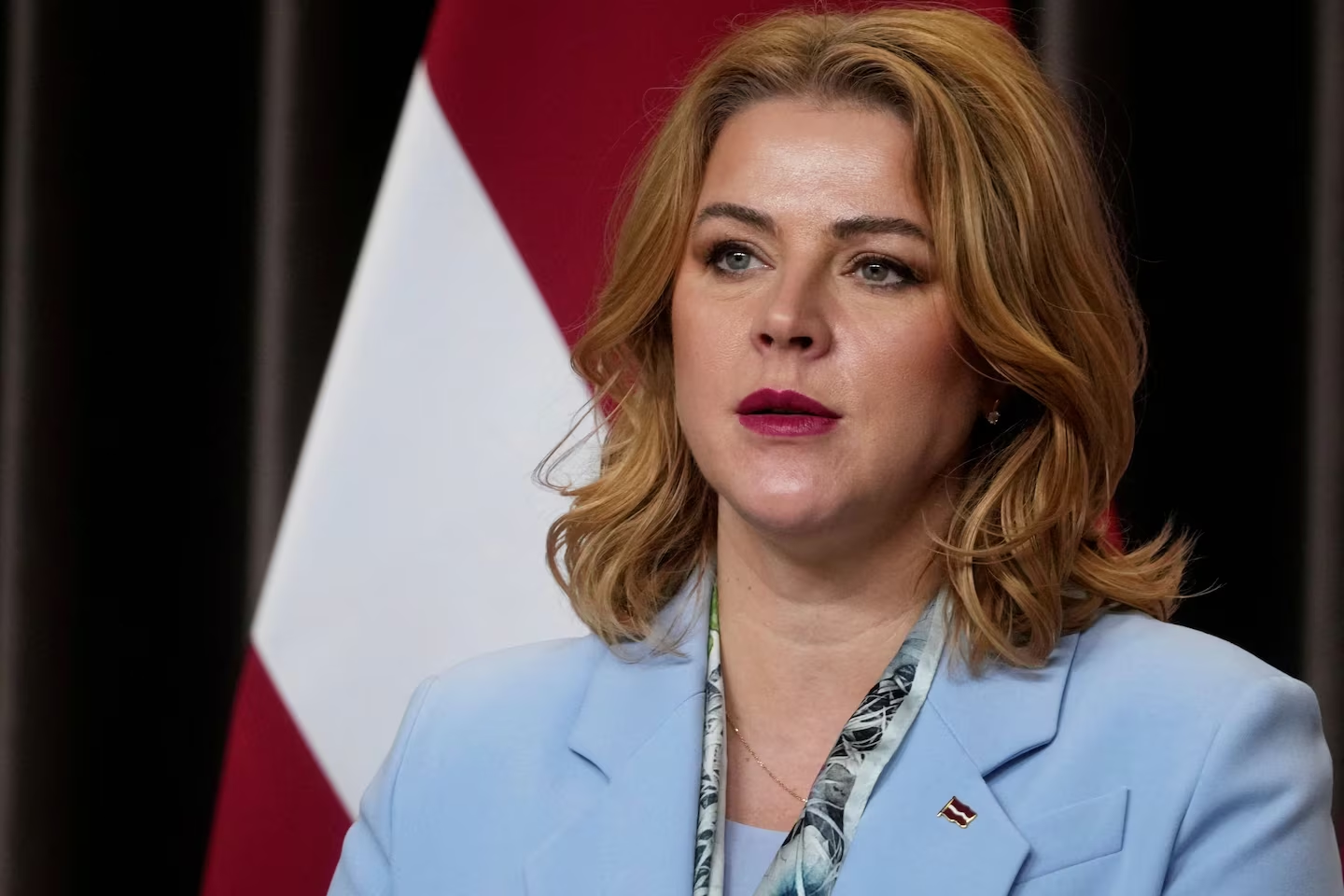
Latvia’s government resigned following a political crisis triggered by drone incidents involving aircraft believed to have been launched by Ukraine toward Russia but which ultimately crashed on Latvian territory. The dispute over the authorities’ response deepened divisions within the ruling coalition just months ahead of parliamentary elections.
Prime Minister Evika Siliņa announced her resignation after losing the support of one of her coalition partners. The political conflict escalated after several drones crossed into Latvian airspace, raising questions about the country’s ability to detect and respond to such threats.
On Sunday, Siliņa dismissed Defense Minister Andris Sprūds, saying she had lost confidence in him. According to the prime minister, the drone incidents became the final trigger for the decision.
“Airspace violations demonstrated that the political leadership of the defense sector failed to fulfill its promise of ensuring safe skies over our country,” she said.
Following Sprūds’s dismissal, the Progressives party, which he represents, announced its withdrawal from the ruling coalition, effectively bringing down the government.
“I am stepping down, but I am not giving up,” Siliņa wrote on social media. She also said that “political jealousy and narrow party interests have taken precedence over responsibility.”
The political crisis is unfolding amid preparations for parliamentary elections scheduled for October. Competition among parties for electoral advantage, observers note, had begun even before the drone incidents.
Latvia, like other NATO countries bordering Russia, has significantly increased defense spending in recent years, including investments in counter-drone systems. This year the country aims to move closer to the alliance’s new benchmark of raising military spending to five percent of GDP by 2035.
Drones have become one of the central issues for NATO and the European Union following a series of airspace violations across alliance countries, some of which were linked to Russia. The incidents have intensified concerns about Europe’s readiness for new forms of military threats.
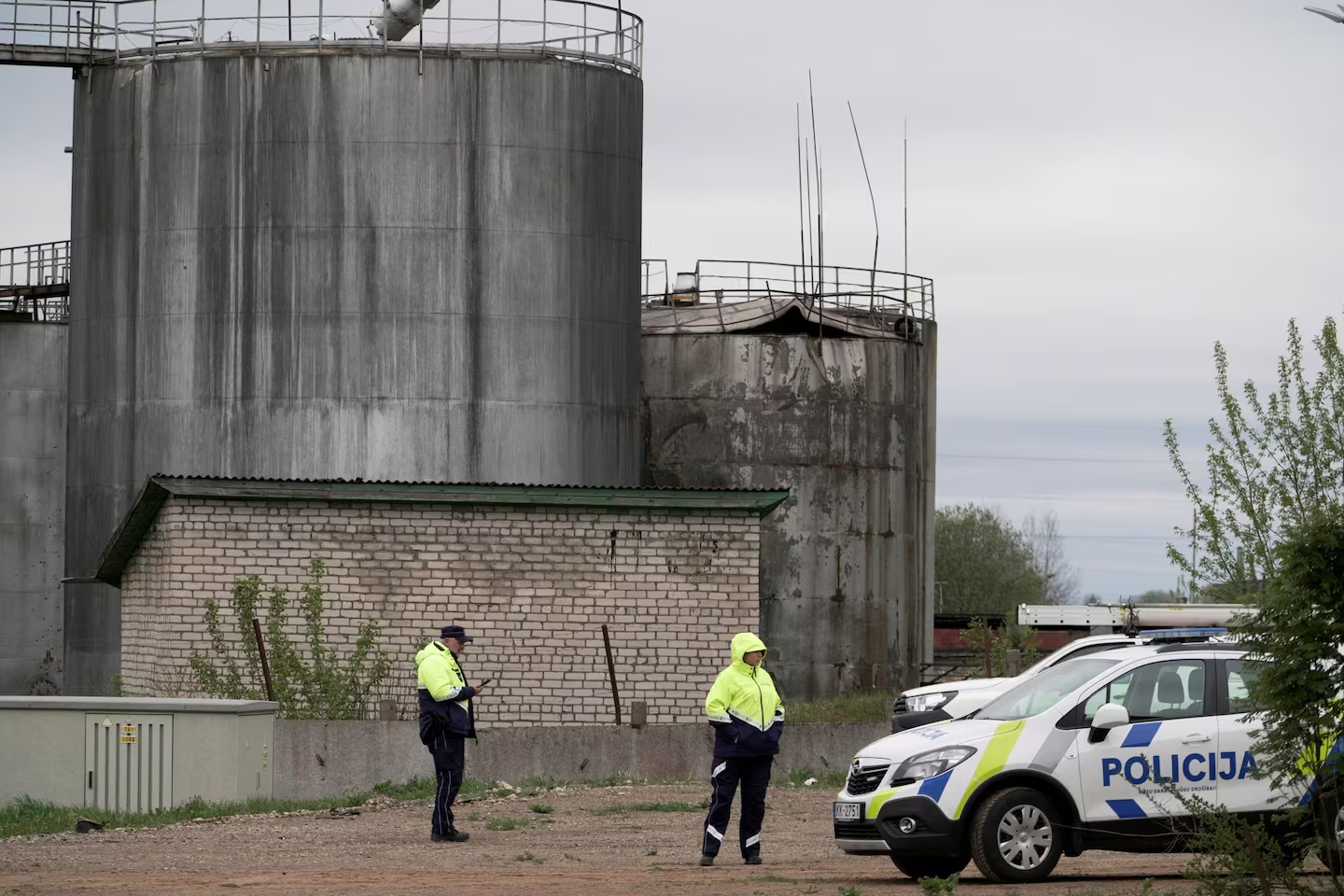
Last week, two drones crashed in eastern Latvia. One struck empty fuel storage tanks near the city of Rēzekne. According to Latvian public broadcaster LSM, there were no casualties.
Authorities launched an investigation and believe the drones had been launched by Ukraine toward targets inside Russia but veered off course and accidentally entered Latvian territory.
In recent months, Ukrainian drones have also reportedly crossed into Estonia and Lithuania—Baltic states that remain among Kyiv’s most active supporters.
Ukrainian Foreign Minister Andrii Sybiha said Russian electronic warfare systems may have been responsible for disrupting the drones’ intended flight paths.