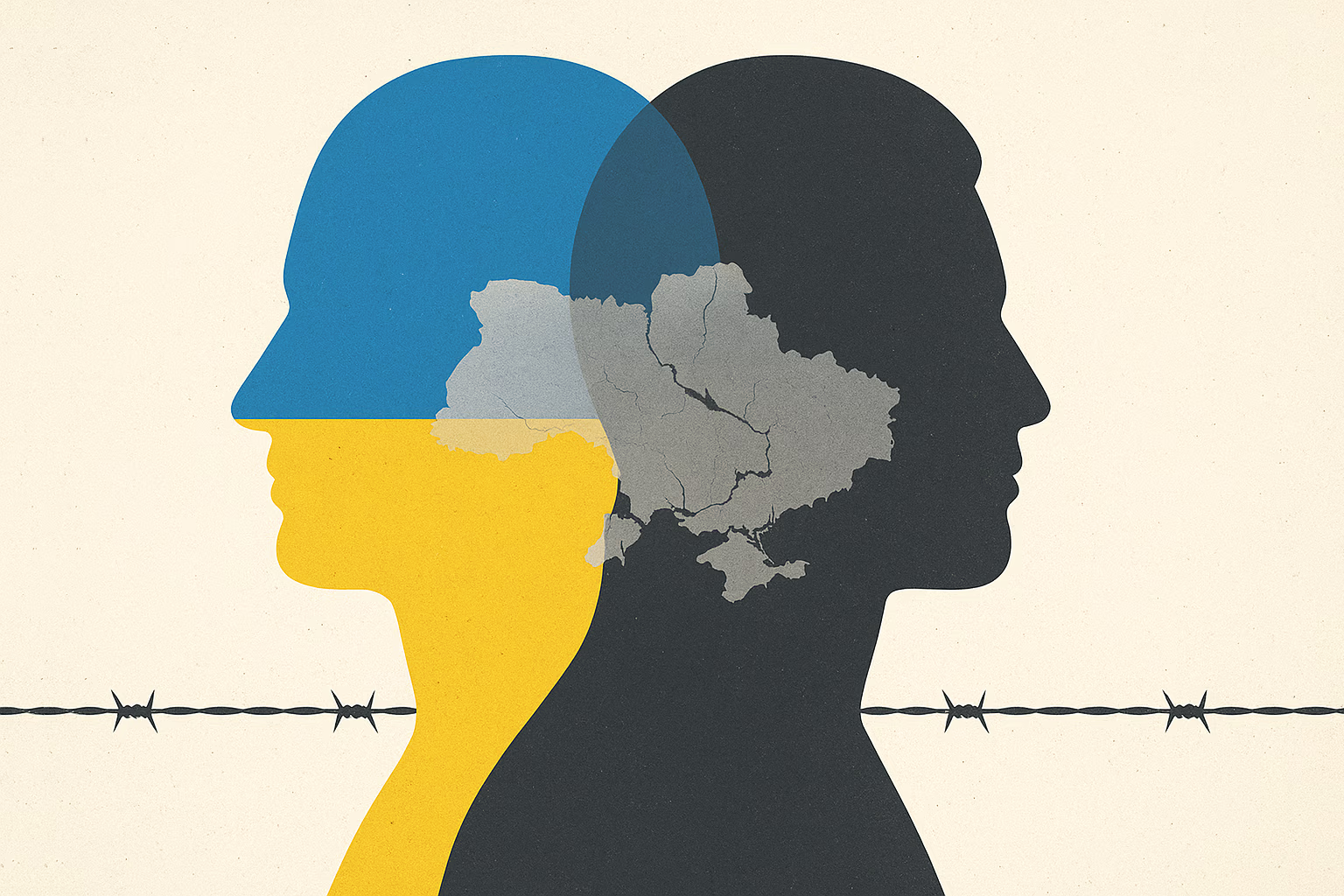
An article titled “Ukraine’s War on the Russian Language Is a Mistake” was published in the British magazine The Spectator. Its author, Anastasia Pilyavskaya, a lecturer at King’s College London who now lives in Odesa, writes that removing the Russian language from the scope of protection under the European Charter “affects the interests of millions of Russian-speaking Ukrainians, divides the country and validates some of Putin’s claims about Ukraine,” which, in wartime, she calls “suicidal.”
Pilyavskaya describes a “confrontation between a noisy clique now backed by Kyiv and the overwhelming majority of Ukrainians who see these crusades as dangerously divisive.” She questions the assertion by former language ombudsman Kremen that Ukrainians “have categorically rejected the occupiers’ language.” If that were true, she argues, “there would be no need to police it. Instead, restrictions are tightening. While some have certainly switched to Ukrainian out of patriotism, for most the language remains a means of communication rather than a marker of loyalty.”
The author notes that Russian remains widely spoken—by schoolchildren, by soldiers on the front line, and even the most nationalist media still maintain Russian-language versions. She highlights what she calls a “grotesque paradox”: Putin labels all Russian speakers as “Russians,” while nationalist-minded conservatives who deny Russian-speaking Ukrainians their place in the country effectively echo this rhetoric, “turning ombudsman Kremen into a Kremlin representative.” At the same time, Pilyavskaya writes, Russian-speaking Ukrainians have become “among the principal victims and heroes of this war”—from Kherson and Mariupol to the hundreds of thousands of soldiers at the front.
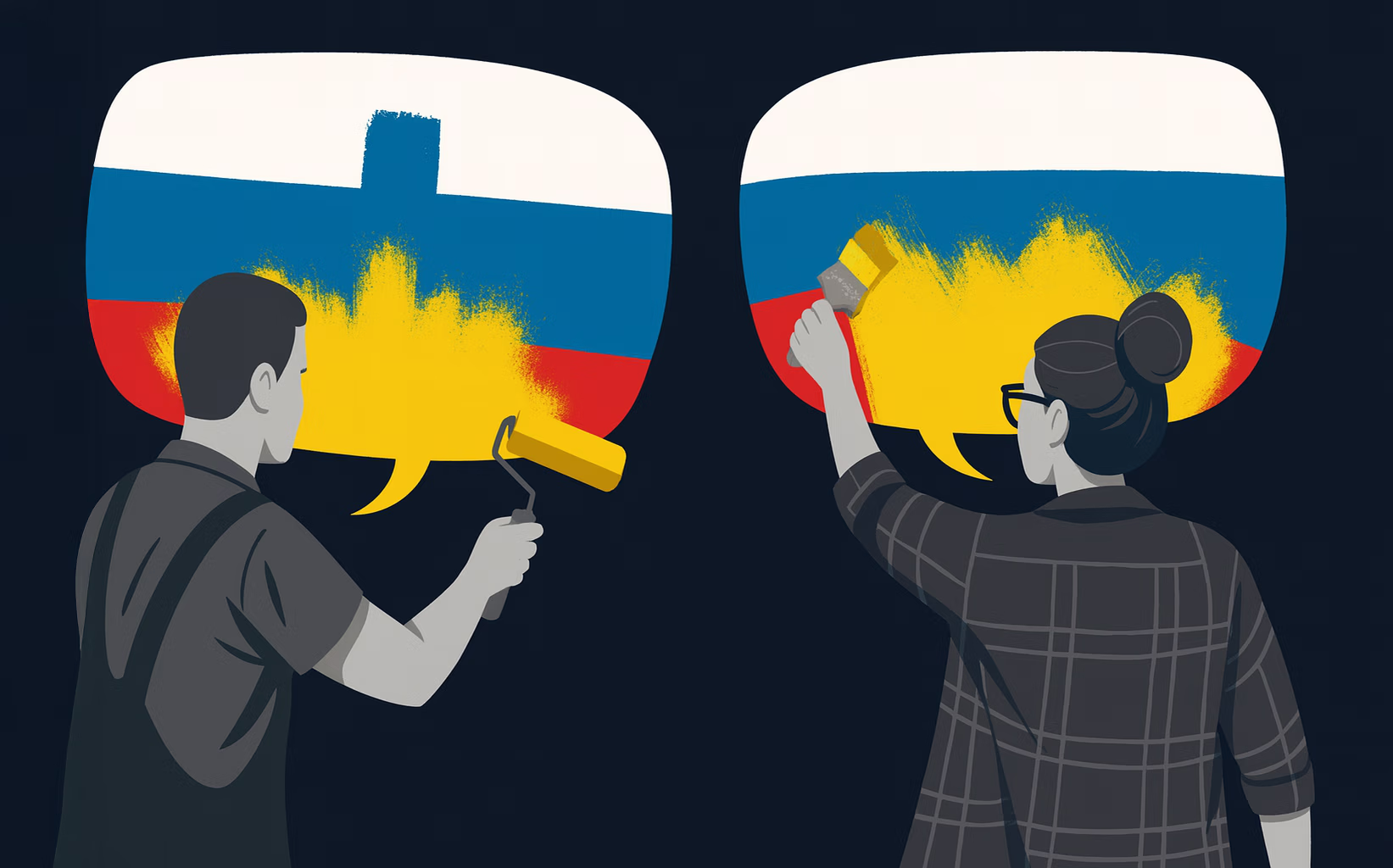
The Rada Removes the Russian Language From Ukraine’s Translation of the European Charter
The Decision Is Largely Symbolic, as the Constitution Guarantees Protection for Any Language Spoken by at Least 40% of Citizens
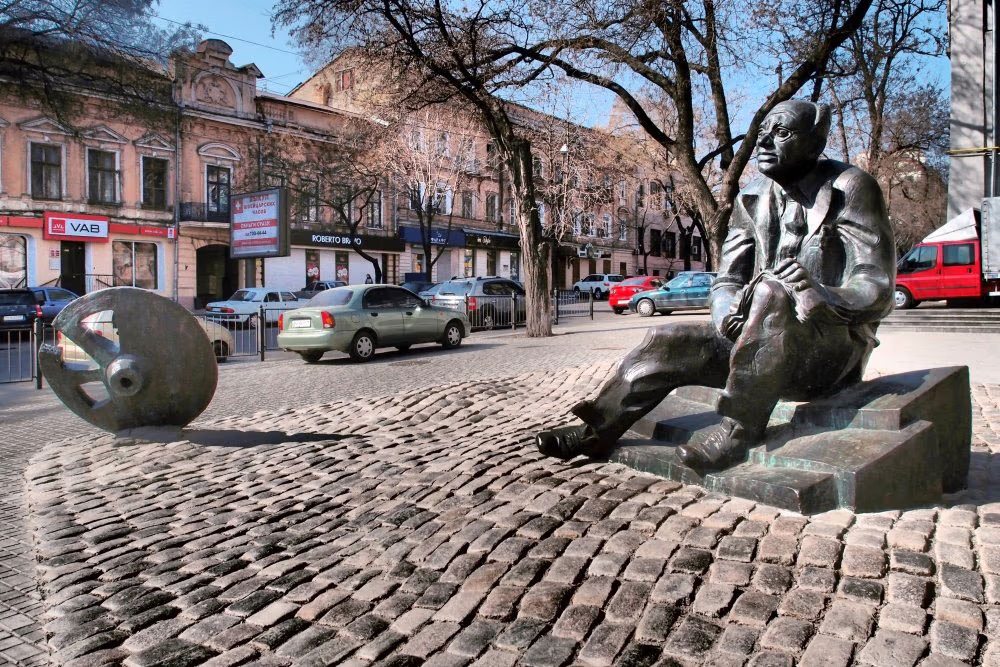
"By Removing Babel, You Remove the City’s Soul"
Odesa Becomes a Battleground of Cultural War, as Decolonization Starts to Mirror Soviet-Era Tactics
She argues that out of fear, miscalculation or misbelief, Kyiv has aligned itself with groups that restrict rights guaranteed by the Constitution and erode citizens’ patriotic sentiment. According to her, Odesa-based soldiers serving on the front speak of a growing sense of alienation and betrayal, while in the city people talk of “neo-Stalinism” and “neocolonialism,” pushing many toward “internal exile.” Pilyavskaya recalls that Zelensky once understood these feelings far more intuitively. At his inauguration, he addressed residents of the occupied Donbas in Russian, cutting off a nationalist lawmaker with the remark: “Stop dividing the country!” Now, she concludes, the government is doing precisely the opposite.