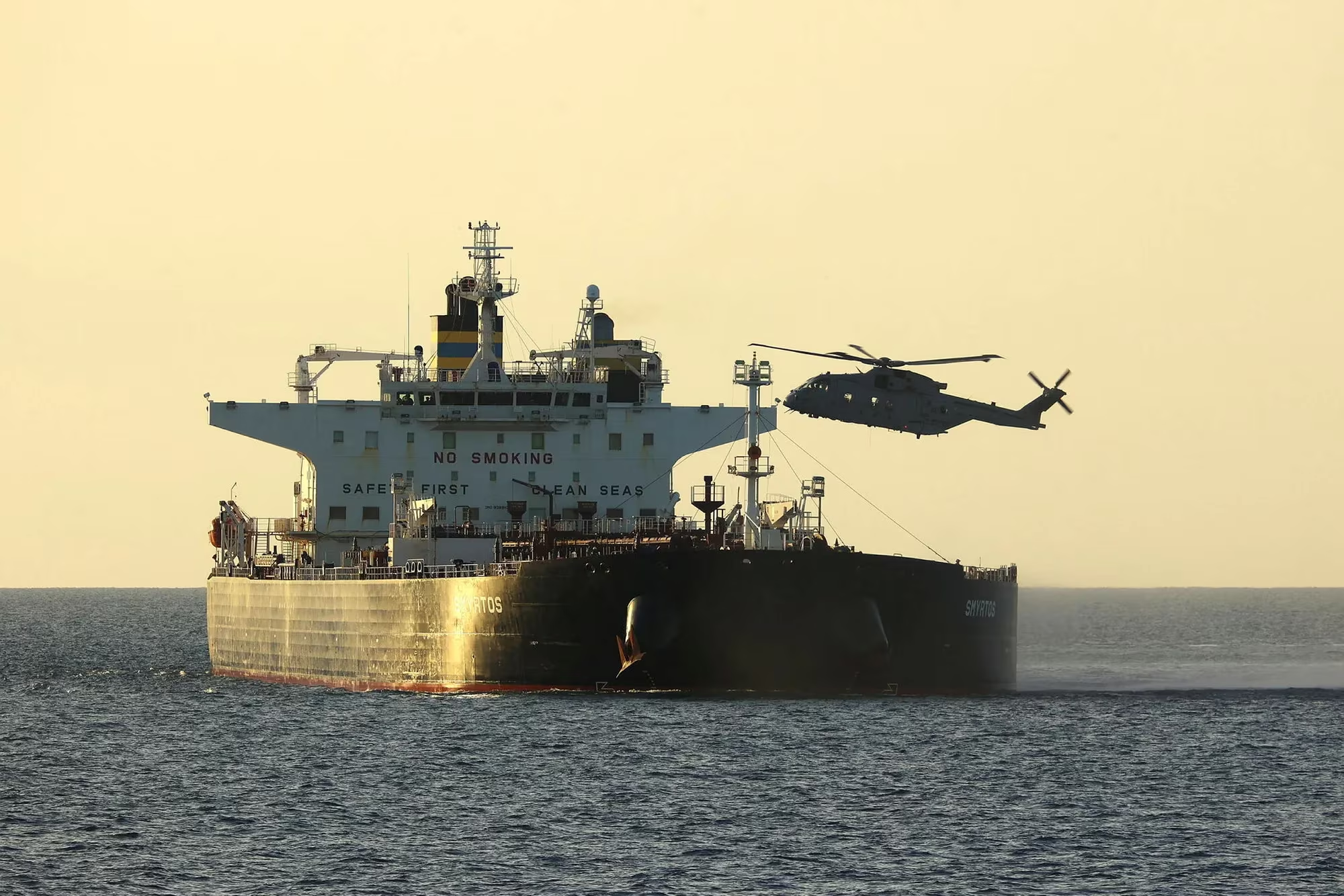
British forces boarded a sanctioned oil tanker in the English Channel early on Sunday, June 14. It was the first operation of its kind led by the United Kingdom against Russia’s so-called shadow fleet.
According to the British government, Royal Marines and officers from the National Crime Agency boarded the tanker Smyrtos in UK territorial waters. The operation lasted six hours. It was supported by Royal Navy vessels, military helicopters and an RAF P-8 patrol aircraft.
The vessel will be moved to an anchorage off the southern coast of England. Authorities will continue the investigation and monitor possible environmental and technical risks.
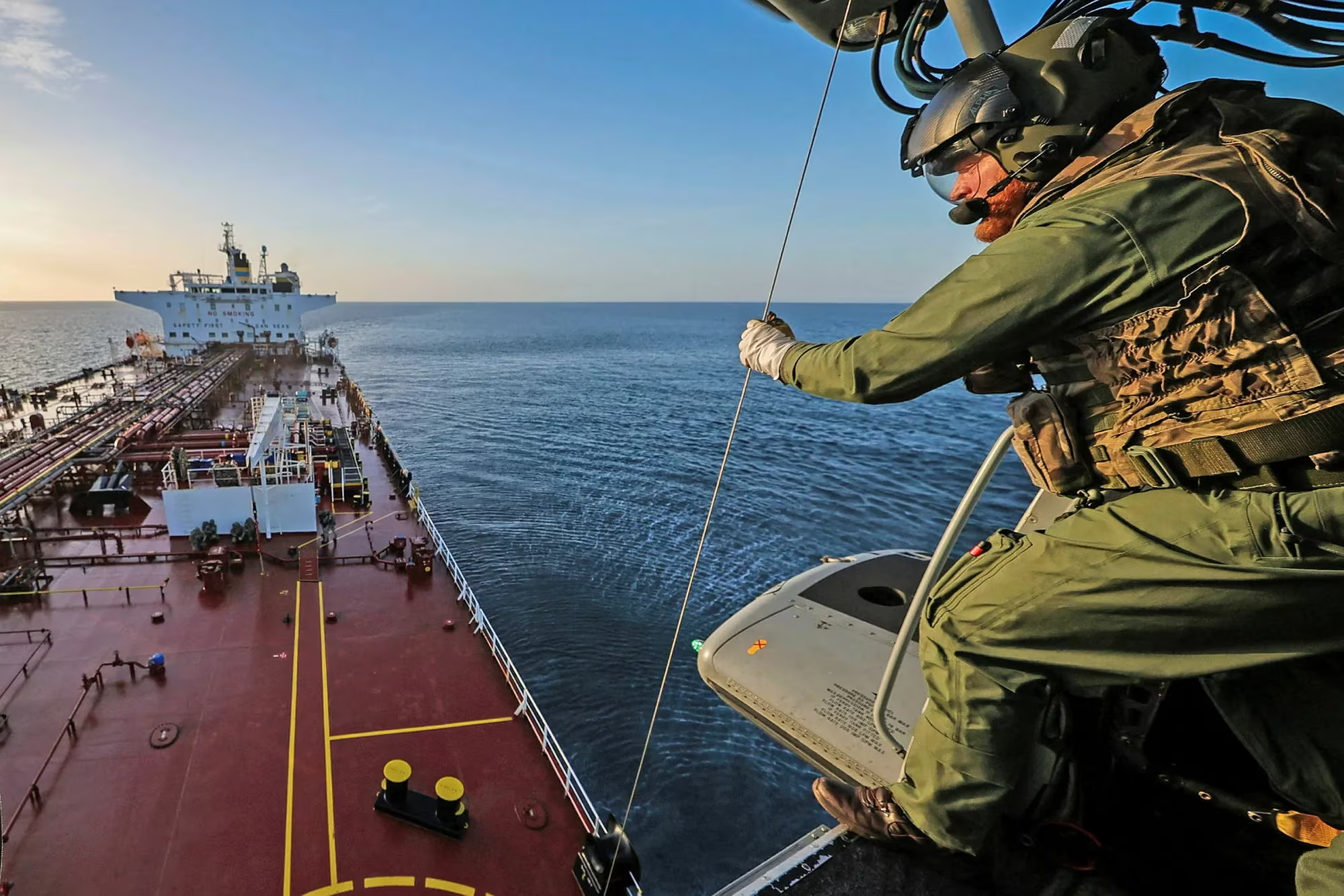
British forces board the tanker.
London said the operation was carried out in accordance with British and international law. In March, Prime Minister Keir Starmer approved inspections of shadow-fleet vessels. According to the government, the tanker was targeted as part of efforts to enforce sanctions aimed at reducing revenues that help fund Vladimir Putin’s war against Ukraine.
“This operation deals another blow to Russia and reminds those who fuel Putin’s war in Ukraine that they cannot hide,” Starmer said.
Dan Jarvis, who was appointed Britain’s defense secretary on June 11 after John Healey’s resignation, said the interception would disrupt the fleet on which Russia relies to transport sanctioned oil and finance its war against Ukraine.
Sunday’s operation was carried out in coordination with France. Britain had previously also supported U.S. and French actions against shadow-fleet vessels.
London has imposed sanctions on nearly 600 vessels linked to Russia’s shadow fleet. British authorities estimate that the fleet numbers more than 700 vessels and carries about three-quarters of sanctioned Russian oil. Britain said that in the first quarter of 2025, vessels under UK sanctions carried $1.6 billion less Russian oil than a year earlier.
According to the government, Russia’s oil and gas revenues fell by 24% year on year in 2025, while oil revenues have dropped by 27% since October 2024, reaching their lowest level since the start of the war in 2022.
Many such vessels are old tankers with opaque ownership and insurance structures. According to the British government, more than 70% of shadow-fleet tankers are over 15 years old, and vessels in this group have been involved in more than 50 incidents.
Another Test of the Limits
Russia Covers Its Shadow Fleet With Military Aircraft
China’s “Invisible” Tanker Fleet
Sanctions Everyone Fears—Yet No One Plans to Enforce