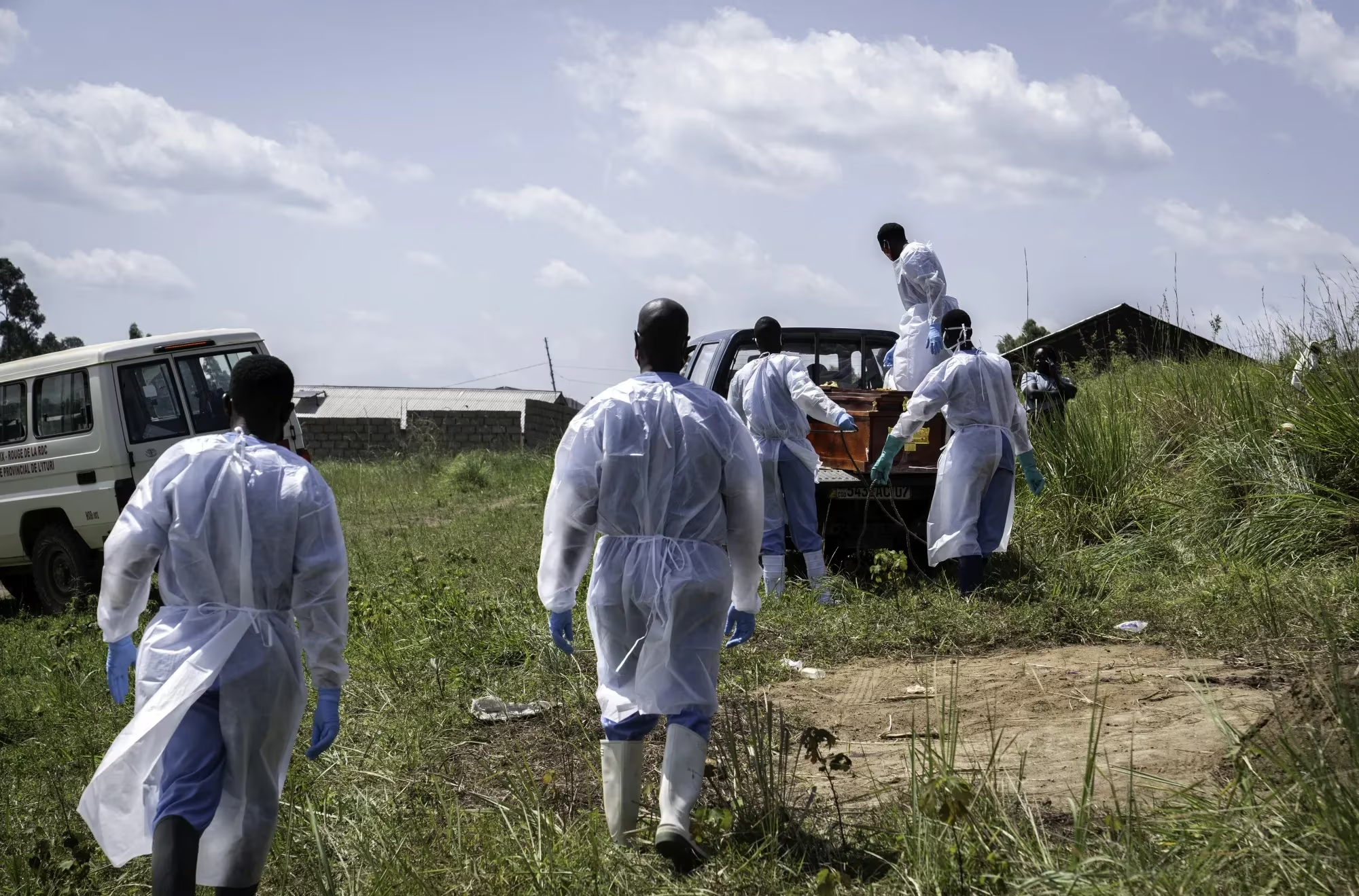
Uganda has closed its border with the Democratic Republic of Congo amid an Ebola outbreak and fears the virus could spread across the region.
The decision was taken by the National Ebola Response Task Force. Authorities said the situation in eastern Congo was deteriorating and that heavy cross-border movement was increasing the risk of transmission.
Uganda confirmed its first Ebola case less than two weeks ago. The infected patient arrived from Congo seeking treatment and died on May 14 in intensive care in Kampala after developing bleeding symptoms.
Authorities said the body was returned to Congo the same day, underscoring the risk of transmission through the movement of infected patients and human remains. Uganda has since confirmed seven Ebola cases, including healthcare workers who were exposed while treating patients.
Under the new restrictions, only official Ebola response teams, humanitarian workers, food and cargo transporters, and security personnel will be allowed to cross the border.
All approved entrants will undergo mandatory health screening, registration, and continued monitoring at official crossing points.
Authorities have also imposed mandatory 21-day self-isolation for everyone returning from Congo. Compliance will be monitored by local health and surveillance services.
Schools in border areas will remain open but must enforce stricter sanitary measures, including daily temperature checks for students arriving from Congo.
Authorities also ordered local administrations to strengthen epidemic-control measures and instructed media outlets to dedicate at least 30 minutes of airtime each day to informing the public about the Ebola threat.
The outbreak is linked to the rare Bundibugyo strain. Estimates suggest that 221 people may already have died in Congo since the first cases were detected on May 15. It is the country’s largest Ebola outbreak since the 2018–2020 epidemic, which killed nearly 2,300 people.
The World Health Organization has declared the outbreak a public health emergency of international concern. At the same time, the WHO opposes full border closures, warning that they could push people toward illegal crossing routes.