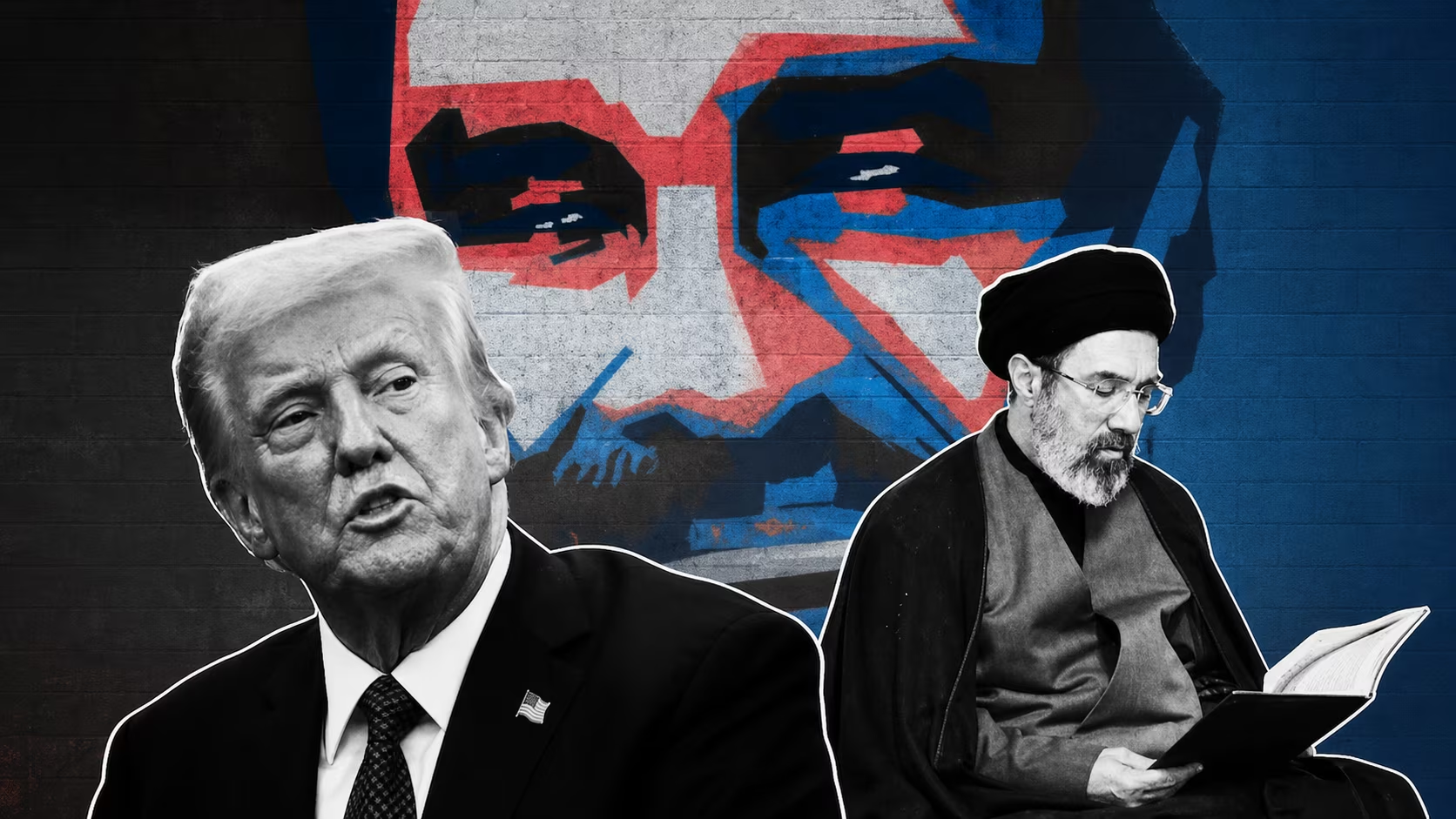
Donald Trump and his team reacted sceptically to Iran’s new proposal to end the war, Reuters and The Wall Street Journal report, citing sources.
On Monday, April 27, Trump discussed the Iranian initiative with his aides. According to the WSJ, the US president did not reject it outright, but expressed doubts that Tehran was acting in good faith and was prepared to meet Washington’s key demand—to stop enriching uranium.
The United States believes the nuclear issue must be addressed first. According to a Reuters source, that was the main reason Trump was dissatisfied with Iran’s proposal.
At the same time, WSJ sources say Washington intends to continue negotiations. In the coming days, the White House is expected to prepare a response and its own counterproposals.
White House press secretary Olivia Wales said the United States “does not negotiate through the press” and has “clearly defined its red lines”.
The day before, Axios reported that Tehran had conveyed a new ceasefire proposal to Washington through Pakistani intermediaries. It was brought to Islamabad over the weekend of April 25–26 by Iranian foreign minister Abbas Araghchi.
According to Reuters, the first stage of the Iranian plan envisages a ceasefire and guarantees against future attacks. Tehran then proposes lifting the US naval blockade and determining the status of the Strait of Hormuz, which Iran wants to keep under its control. Only after that, under the plan, would the sides move on to other issues, including Iran’s nuclear programme.
On April 27, Araghchi flew to St Petersburg for talks with Vladimir Putin. In the public part of the meeting, Putin said Russia would “do everything” to ensure that peace in the Middle East is achieved as quickly as possible. Araghchi, in turn, described Iran’s relations with Russia as a “strategic partnership at the highest level”.