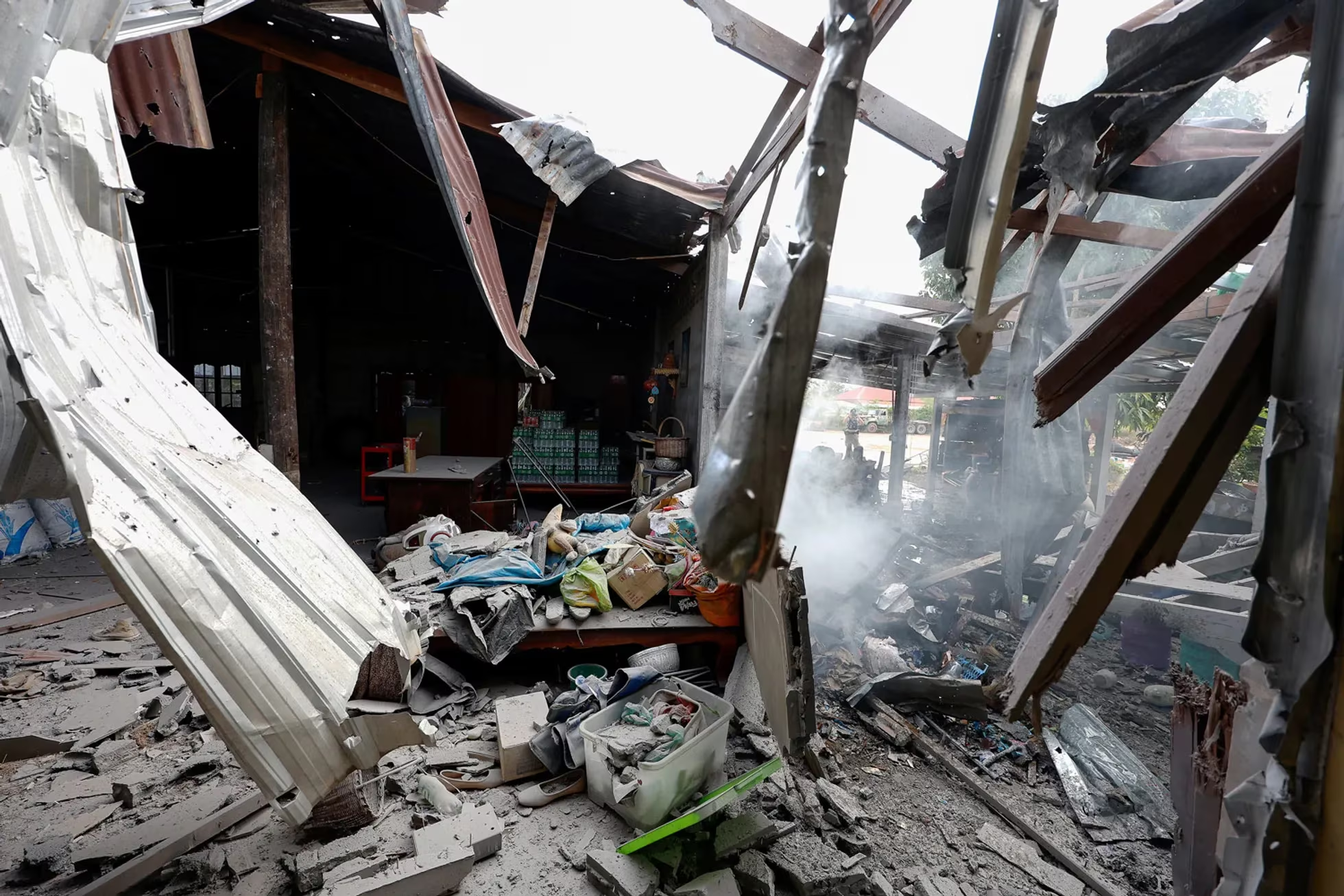
A long-running territorial dispute between Thailand and Cambodia has flared again. Since December 6, the Dangrek mountain range has seen renewed firefights and artillery exchanges, with Thailand deploying its air force. The situation closely mirrors events in July, when clashes lasted five days, killed at least 40 people, and forced hundreds of thousands to flee. On July 28 the two sides, with Malaysia’s mediation, agreed to a ceasefire, and on October 26 signed a peace accord with the involvement of Malaysia and the United States. Parallel talks on border demarcation also began, though the boundary’s contours have been disputed for more than a century.
In practice, the agreements were never upheld. Exchanges of fire continued, and in November two Thai soldiers were killed by a Cambodian landmine. Both countries have long and extensively mined the frontier. After that incident, Thailand declared it was withdrawing from the talks.
Each side traditionally blames the other for violating the ceasefire. It is impossible to determine who initiated the latest escalation: there was no singular event that would mark a clear shift from a fragile truce to open hostilities.
On December 7 the Thai military reported that its positions had come under fire from Cambodian territory, killing one soldier and injuring eight. In response, F-16 fighters were deployed and struck Cambodian military sites.
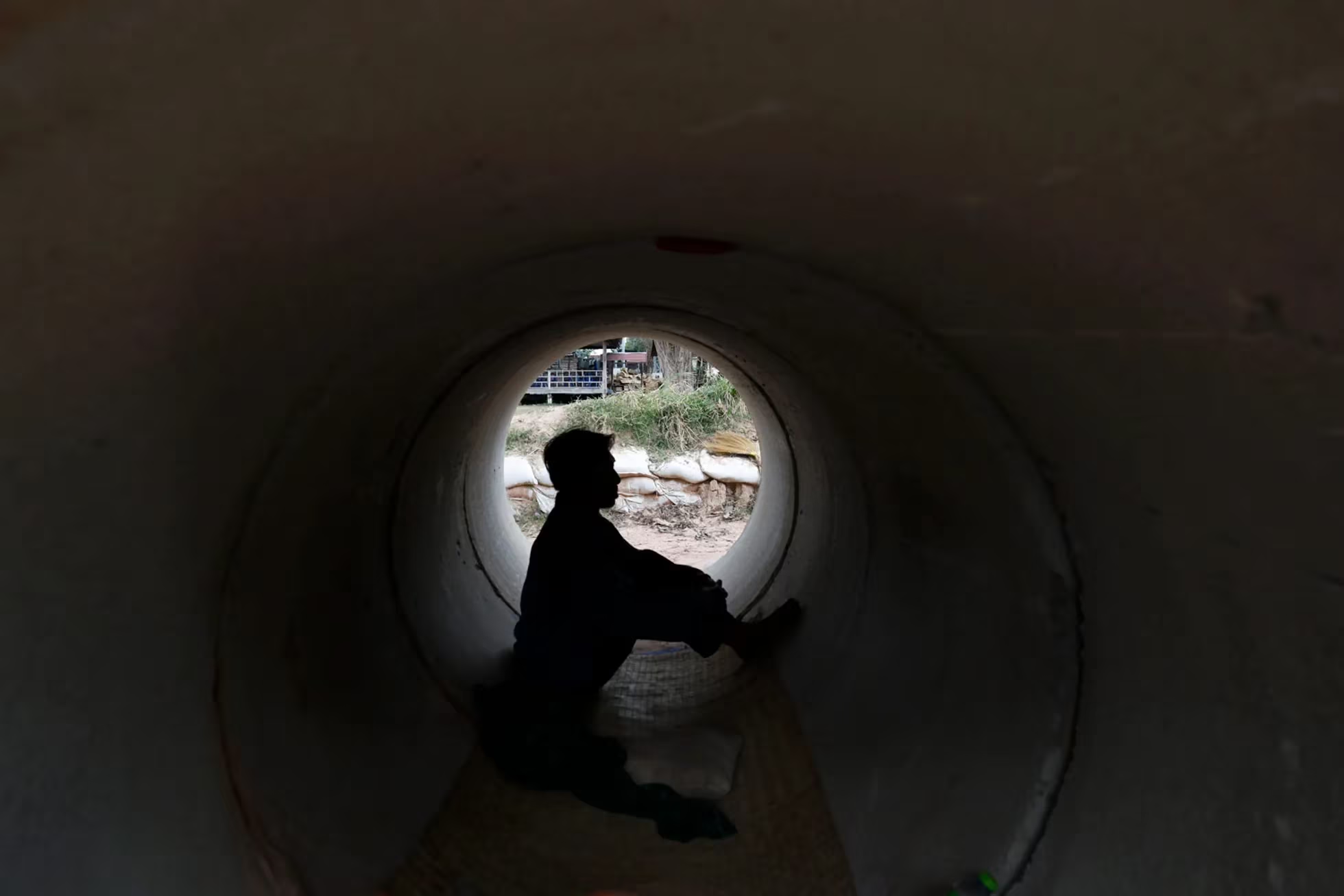
In a shelter in Thailand’s border region. December 11, 2025.
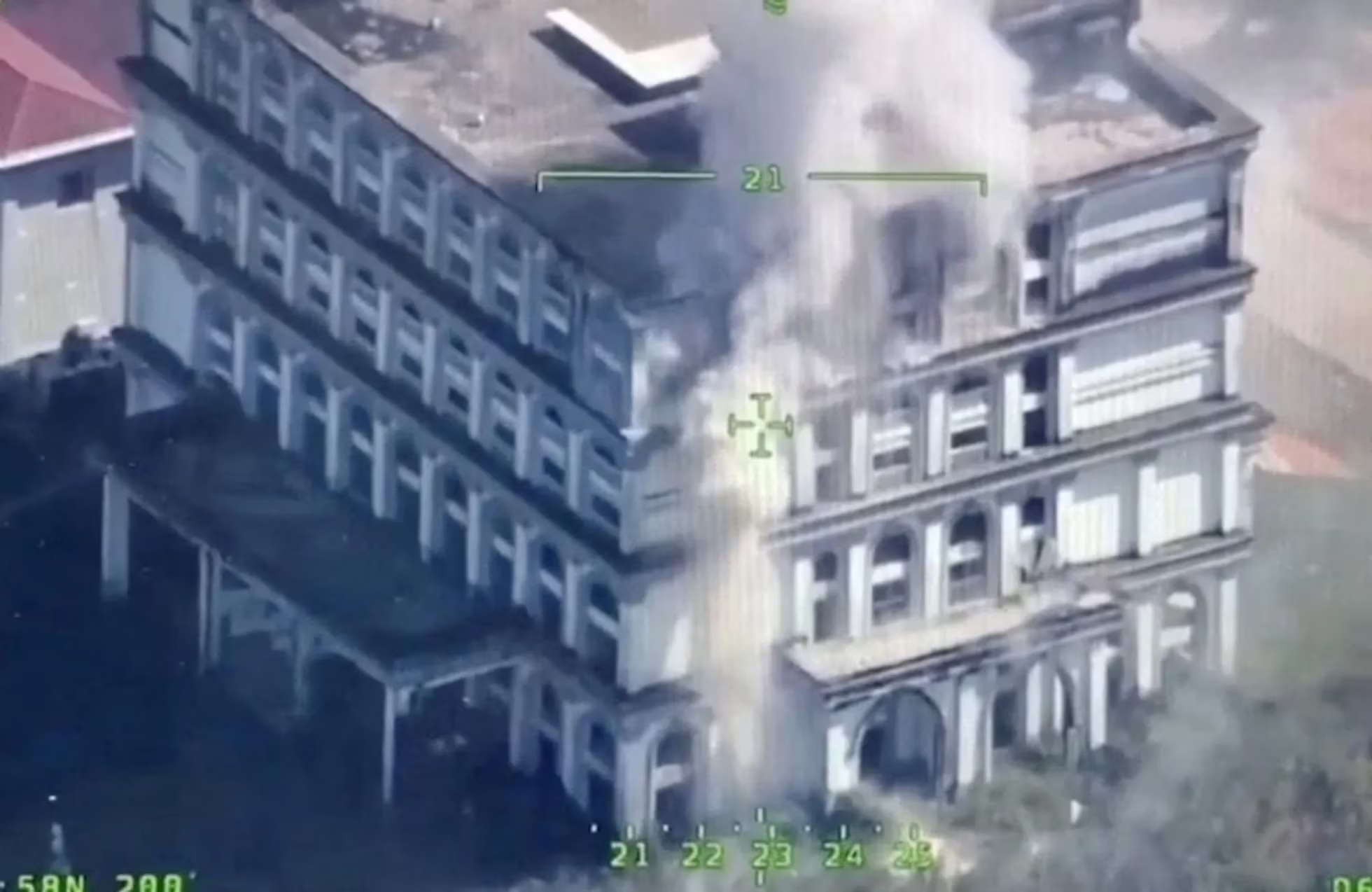
A building in Cambodia damaged in a Thai drone strike. December 11, 2025.
Cambodia, for its part, insists Thailand was the first to use heavy weapons. According to Cambodian officials, four civilians were killed and nine injured on December 7.
In the following days the intensity of the clashes increased: both sides used drones and Grad multiple-launch rocket systems. Thai authorities estimate that around 438,000 people were forced to seek shelter in evacuation centers and fortified bunkers. Cambodian officials reported tens of thousands displaced.
Border regions in both countries lack even the basic infrastructure needed to deliver humanitarian assistance promptly. Residents face shortages of drinking water, medical supplies, shelter, and the transport required to carry out evacuations.
The death toll in this latest surge of violence has already reached several dozen. Reports point to damaged homes, hospitals, and temples on both sides of the frontier. The situation is further strained by the onset of Southeast Asia’s cold, wet season, when the risk of infectious diseases rises even in more stable times and the likelihood of outbreaks increases.
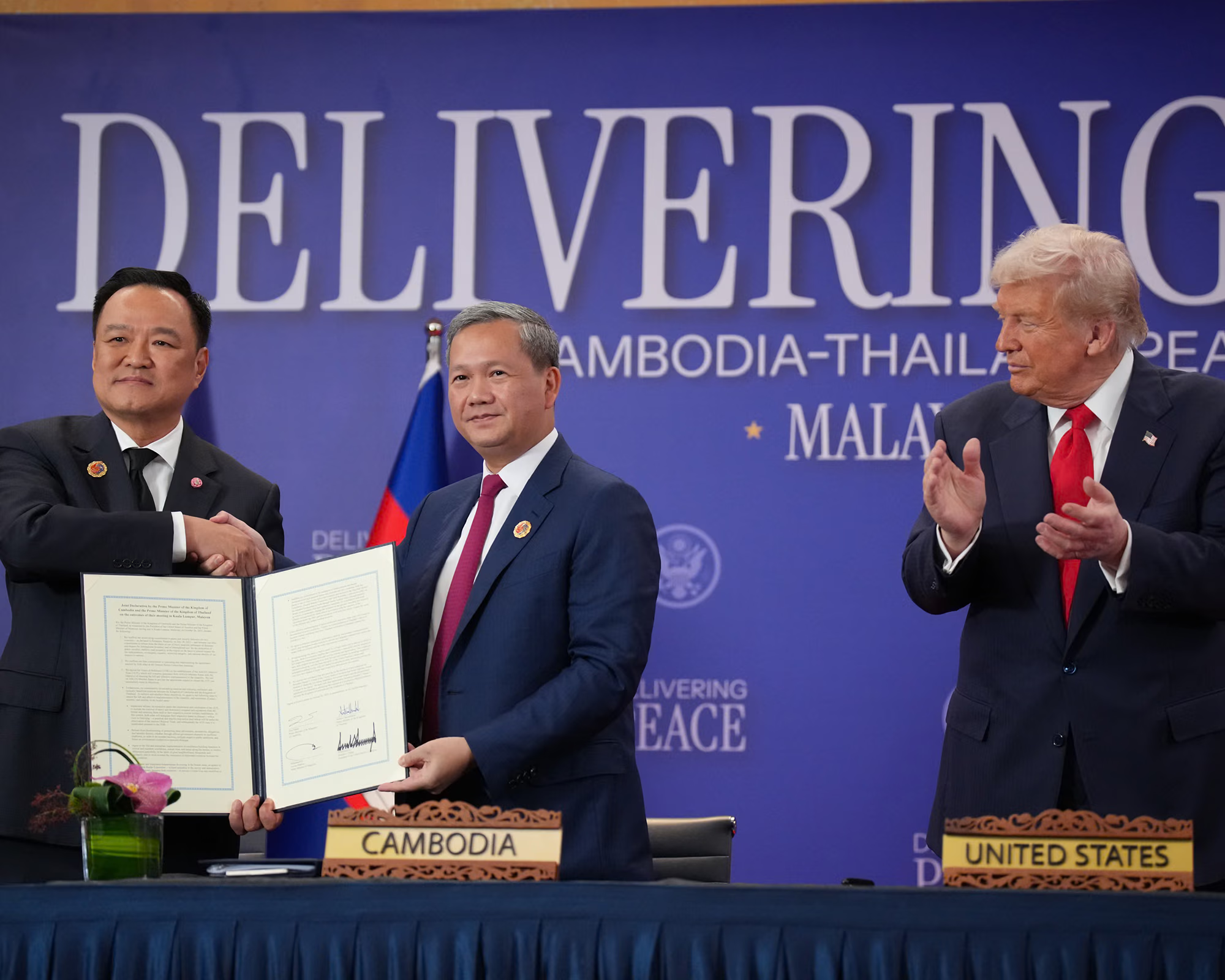
Trump Helps Broker an End to the Armed Conflict Between Thailand and Cambodia
During His Asian Tour, He Strengthens His Peacemaker Image and Prepares for a Meeting with Xi Jinping
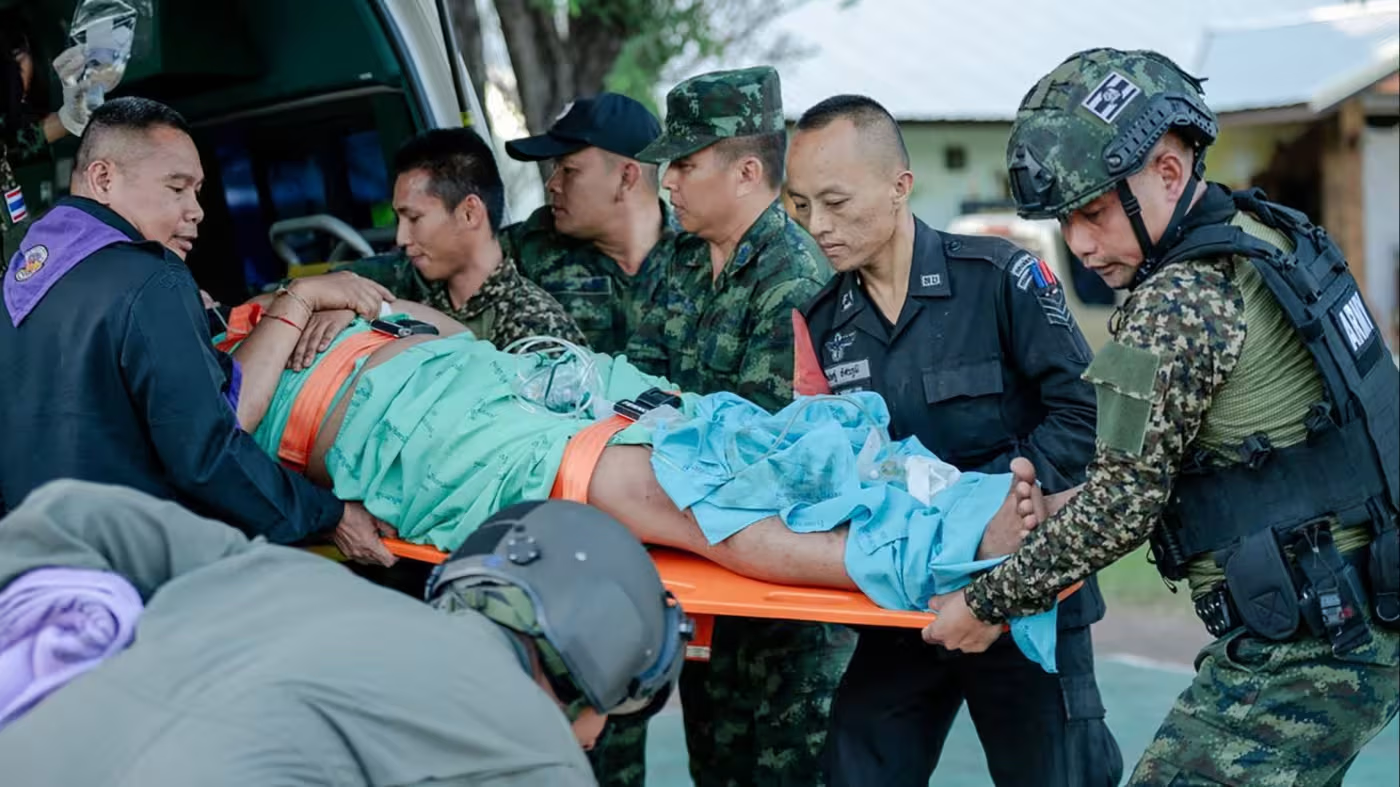
Thailand Launches Airstrikes on Cambodia After Border Clashes Break the Trump-Brokered Ceasefire
The Two Countries Accuse Each Other of Provocations Amid an Escalation of Their Long-Standing Territorial Dispute
Malaysia, led by Prime Minister Anwar Ibrahim, and the Association of Southeast Asian Nations are attempting to bring Thailand and Cambodia back to the negotiating table. U.S. President Donald Trump has said he intends to “make a phone call” to secure a halt to the fighting. Throughout the summer and autumn, he and his supporters repeatedly claimed that in less than a year in office Trump had managed to stop several conflicts around the world—including the standoff between Thailand and Cambodia.
Cambodia, with far more limited military capabilities, has traditionally been receptive to international mediation. Thailand, by contrast, maintains that the conflict can be resolved only through direct bilateral talks.

A camp for evacuated residents from Cambodia’s border areas. December 11, 2025.
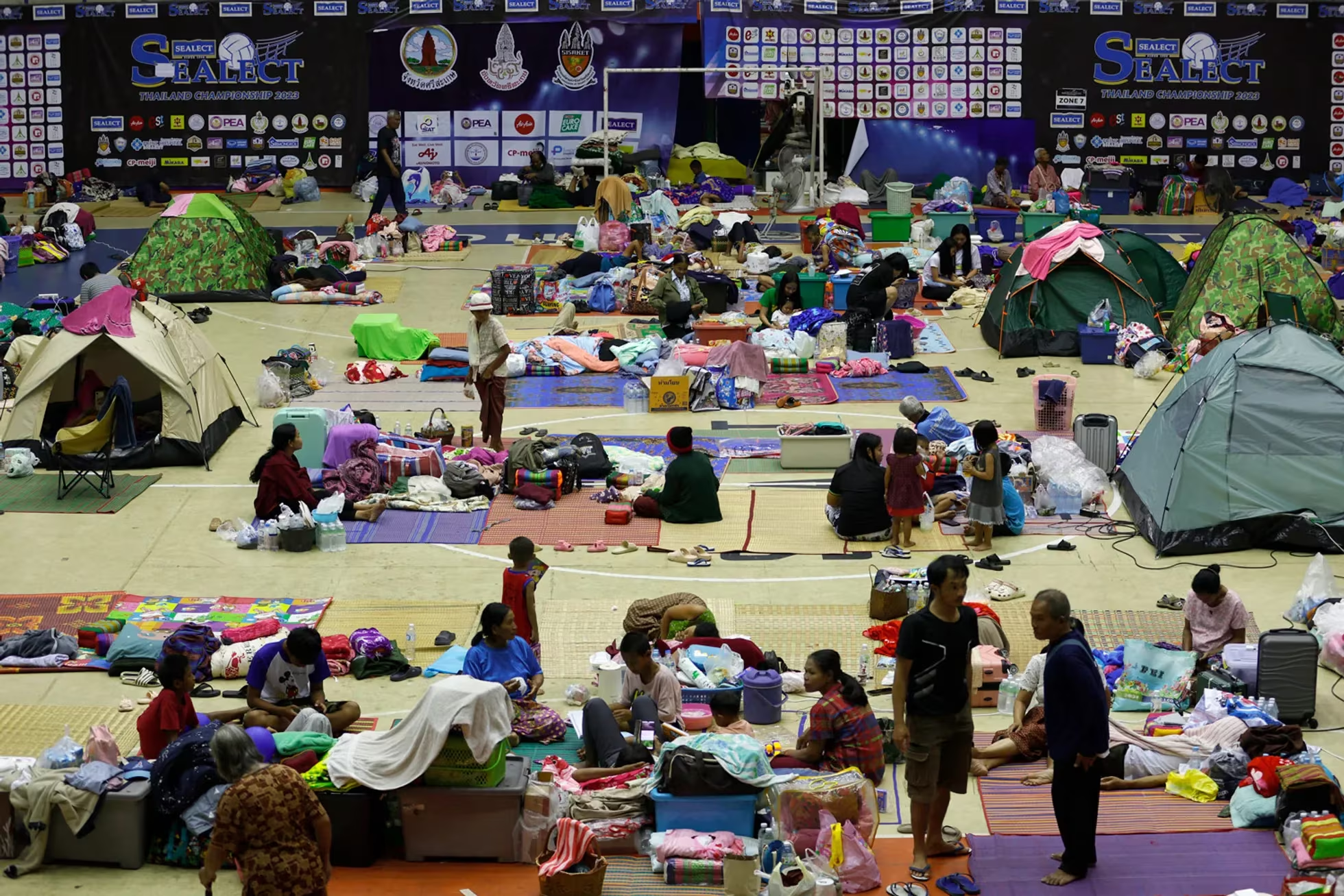
An evacuation center in Thailand. December 10, 2025.
Thailand is also grappling with domestic turmoil. The summer escalation led to the resignation of Prime Minister Paetongtarn Shinawatra’s government in August 2025, leaving behind a fragile coalition in which the premiership has already changed hands several times. As a result, both operational and political control of the war has effectively shifted to Thailand’s general staff, which has taken a hard line and shown little willingness to compromise.
Thai commanders stress that they aim to inflict enough damage on Cambodia to neutralize its ability to pose a threat for years to come. Their capabilities far exceed those of their adversary: Thailand fields F-16 fighter jets and, in theory, can strike deep inside Cambodian territory, while Cambodia lacks an air force of its own. So far, however, Bangkok has refrained from using this option.
The conflict remains confined to areas along the frontier, with its symbolic center—the ancient Preah Vihear temple—sitting directly on the dividing line. The dispute over its ownership is not merely, or even primarily, about territory; it is a contest over national dignity. Nationalists on both sides believe that control of the temple is a fundamental element of their country’s identity.