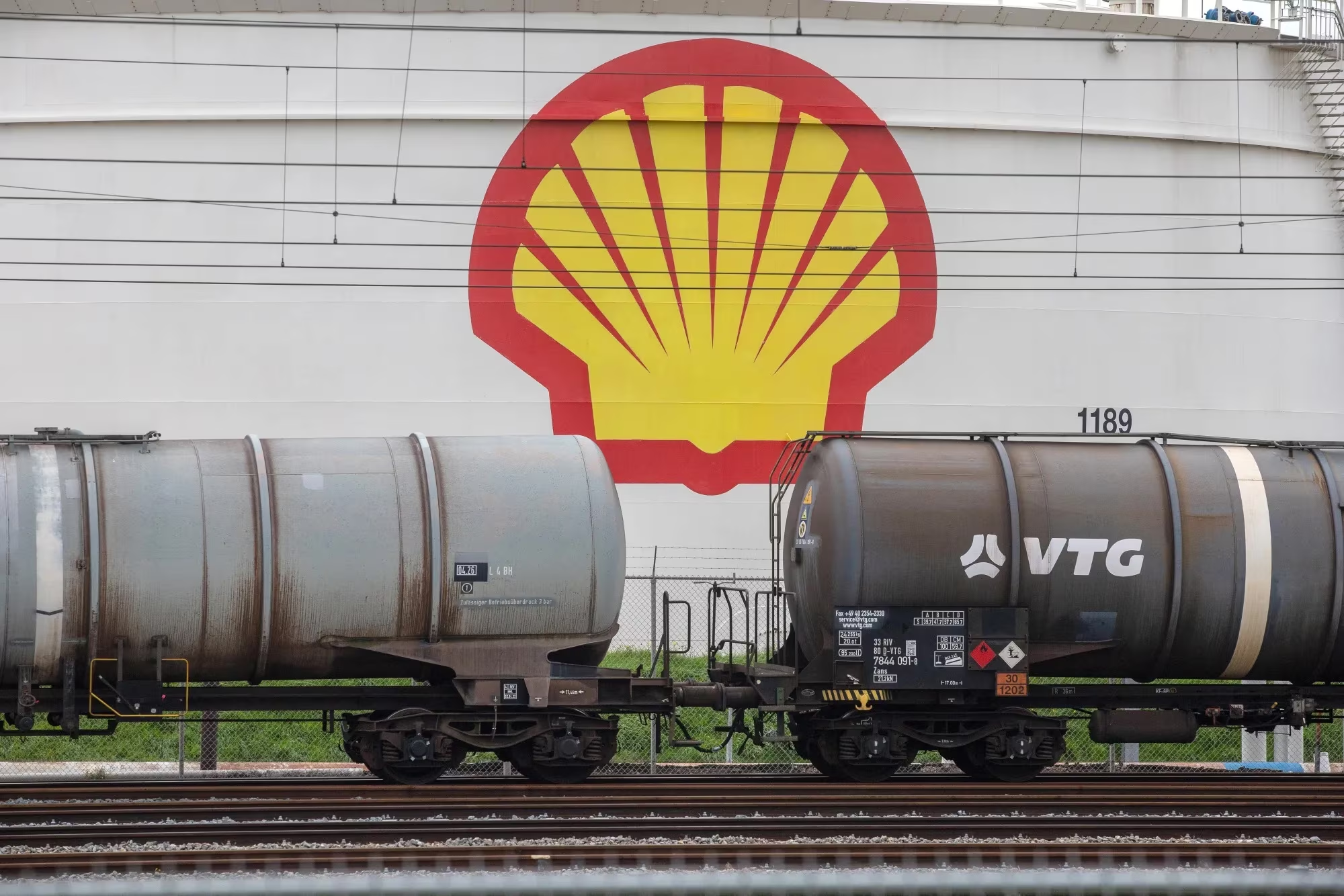
Shell reported a sharp rise in first-quarter profit amid the war with Iran, which drove a surge in oil and gas prices and intensified volatility across energy markets. The company also benefited from stronger performance in its trading division.
Shell’s adjusted net profit reached $6.92 billion, exceeding analysts’ expectations of $6.1 billion, according to the company’s earnings report. Refining performance also improved as fuel prices climbed. At the same time, Shell reduced its share buyback program to $3 billion from the previous $3.5 billion.
Shell’s overall oil and gas production fell 4% compared with the fourth quarter. The company said the decline was driven primarily by the impact of the Iran conflict on operations in Qatar. In the second quarter, Shell expects production to decline further because of the effective closure of the Strait of Hormuz and scheduled maintenance work at several facilities.
The war has damaged oil and gas infrastructure across the Middle East and all but halted shipments from the region, triggering a sharp increase in energy prices and intensifying market instability. That has benefited major European energy companies with large trading operations capable of profiting from price swings.
Since late February, Brent crude prices have risen by more than 50%. On Thursday, prices hovered around $101 a barrel following reports of a possible agreement between the United States and Iran aimed at ending the conflict.
Shell had previously warned of strong trading results but does not disclose separate figures for that business. The Chemicals and Products division, which includes trading operations, increased adjusted earnings to $1.93 billion from $449 million a year earlier.
The increase came despite continued weakness in the chemicals segment, which in recent years has weighed on the company’s financial performance under current Shell chief executive Wael Sawan. Indicative refining margins rose to $17 per barrel from $14 previously.
Disruptions caused by the war deepened imbalances across energy markets, pushing up premiums on physical oil and fuel deliveries. Such conditions have traditionally favored commodity traders. The world’s largest independent trading houses—Vitol Group and Trafigura Group—also reported a substantial increase in profits during the first months of the year.
Shell was the latest major Western oil and gas company to publish quarterly earnings. Earlier, European rivals BP and TotalEnergies also reported sharp profit growth, benefiting from strong trading performance.
US energy giants Exxon Mobil and Chevron likewise benefited from elevated oil and gas prices but faced production disruptions and losses on derivative positions. Exxon was particularly affected.
Against this backdrop, Shell raised its 2026 capital expenditure forecast to $24–26 billion from the previously expected $20–22 billion. Around $4 billion of that amount is tied to the previously announced acquisition of ARC Resources Ltd.