The Senate on Wednesday approved Congress’s $900bn defense policy bill, advancing a bipartisan initiative intended to force the Pentagon to release footage of a controversial military strike on an alleged drug-smuggling vessel off the coast of Venezuela. The measure passed by a vote of 77 to 20, cleared the House last week, and is expected to be signed into law by President Donald Trump.
One provision of the bill withholds 25% of Defense Secretary Pete Hegseth’s travel budget until he provides Congress with video of the September 2 operation and other materials related to the Trump administration’s unprecedented campaign against drug traffickers in Latin America. Eleven people were killed in that attack, including two men who survived the initial US strike on their vessel.
Lawmakers view the footage as critical evidence in determining whether the military violated the law of armed conflict by carrying out a follow-up strike on the wreckage of the boat while survivors were present. Military law affords special protection to individuals deemed “shipwrecked”—those in peril and not taking part in hostilities. The commander who oversaw the operation has previously defended the decision to order the subsequent strike that killed the two survivors.
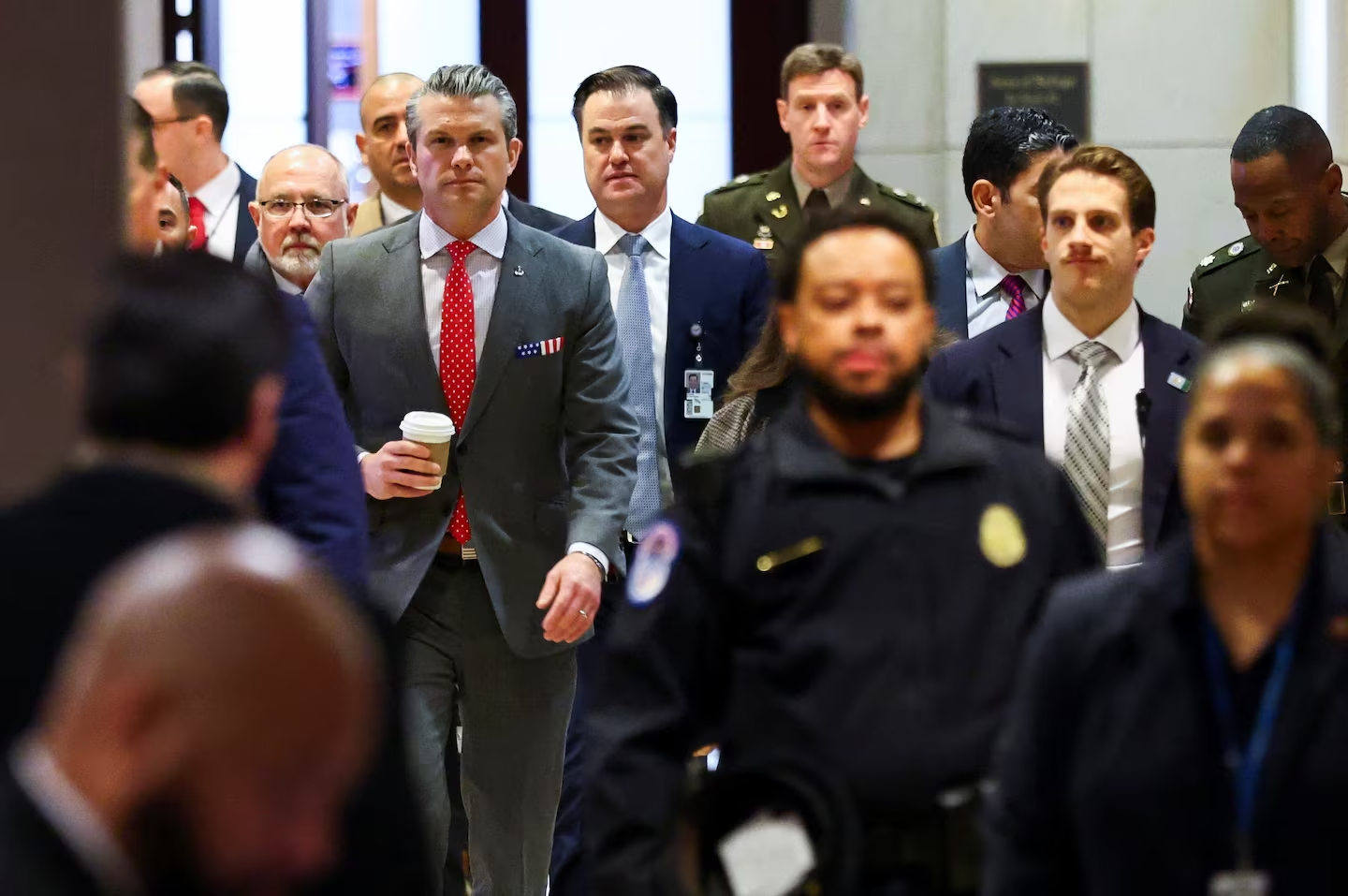
On Tuesday, December 16, Hegseth and Secretary of State Marco Rubio appeared on Capitol Hill, where they briefed the House of Representatives and the Senate on the September 2 attack and the administration’s broader counternarcotics strategy. According to publicly released data from the Trump administration, US forces have to date targeted 25 vessels suspected of transporting illicit drugs, resulting in 95 deaths.
Responding to questions from reporters, Hegseth said he ruled out releasing the September 2 footage, citing the need to protect US military secrets. Later that day, members of the House and Senate armed services committees reviewed the recording and spoke by video link with Admiral Frank M. Bradley, who commanded the operation.
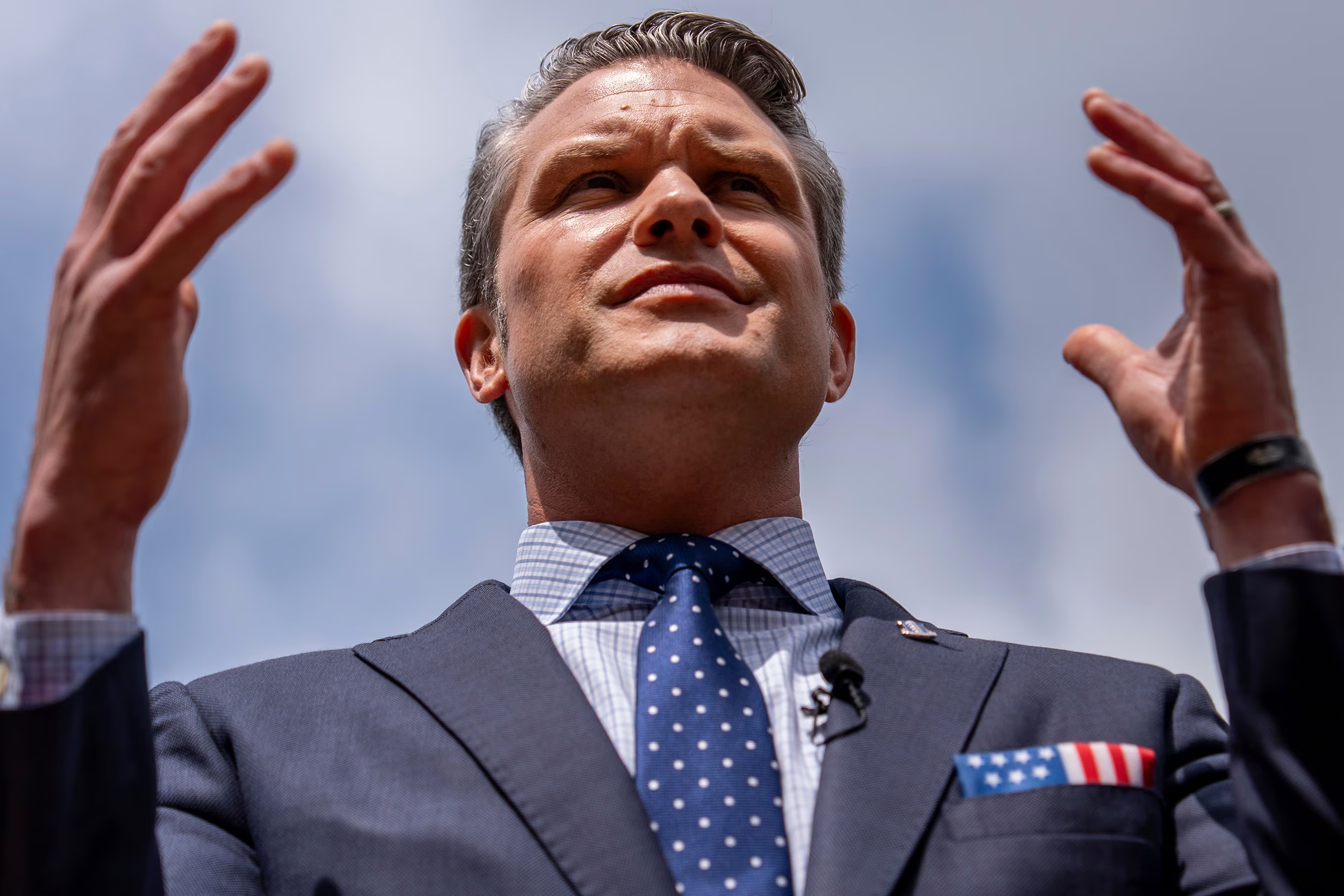
U.S. Defense Secretary Pete Hegseth Suspected of Ordering the Killing of Two People From a Sunk Drug Boat
He Is Unlikely to Face Any Consequences

Republican Senators Demand the Release of Video Showing a Follow-Up Strike on Survivors Aboard a Venezuelan Vessel
The Pentagon Chief Says the Footage Is Too Sensitive for Public Disclosure
The National Defense Authorization Act is primarily designed to streamline weapons procurement for the Pentagon and cut through bureaucratic procedures that both Republicans and Democrats view as an unacceptable obstacle amid an arms race with Russia and China. At the same time, the legislation reflects an effort by the Republican-controlled Congress to reassert its authority over US defense policy, following complaints from some lawmakers that Hegseth’s department had withheld critical information for more than a year. The law requires the Defense Department to consult Congress before withdrawing troops from South Korea and Europe, as well as ahead of any reorganization of military commands worldwide.
The text also includes other bipartisan measures aimed at pressuring the Trump administration, including the extension of military assistance programs for Ukraine and the Baltic states bordering Russia—programs the Pentagon had sought to wind down. As a concession to lawmakers skeptical of open-ended US military commitments, the bill repeals long-standing authorizations for the use of force dating back to the Gulf War and the Iraq war. It also provides for a nearly 4% increase in service members’ pay.
At the same time, despite the removal of the most contentious partisan provisions during conference negotiations between the House and the Senate, some Democrats voiced dissatisfaction with the final version of the legislation. In particular, bipartisan provisions to revive the commission responsible for renaming military bases previously bearing the names of Confederate figures were stripped from the final text.