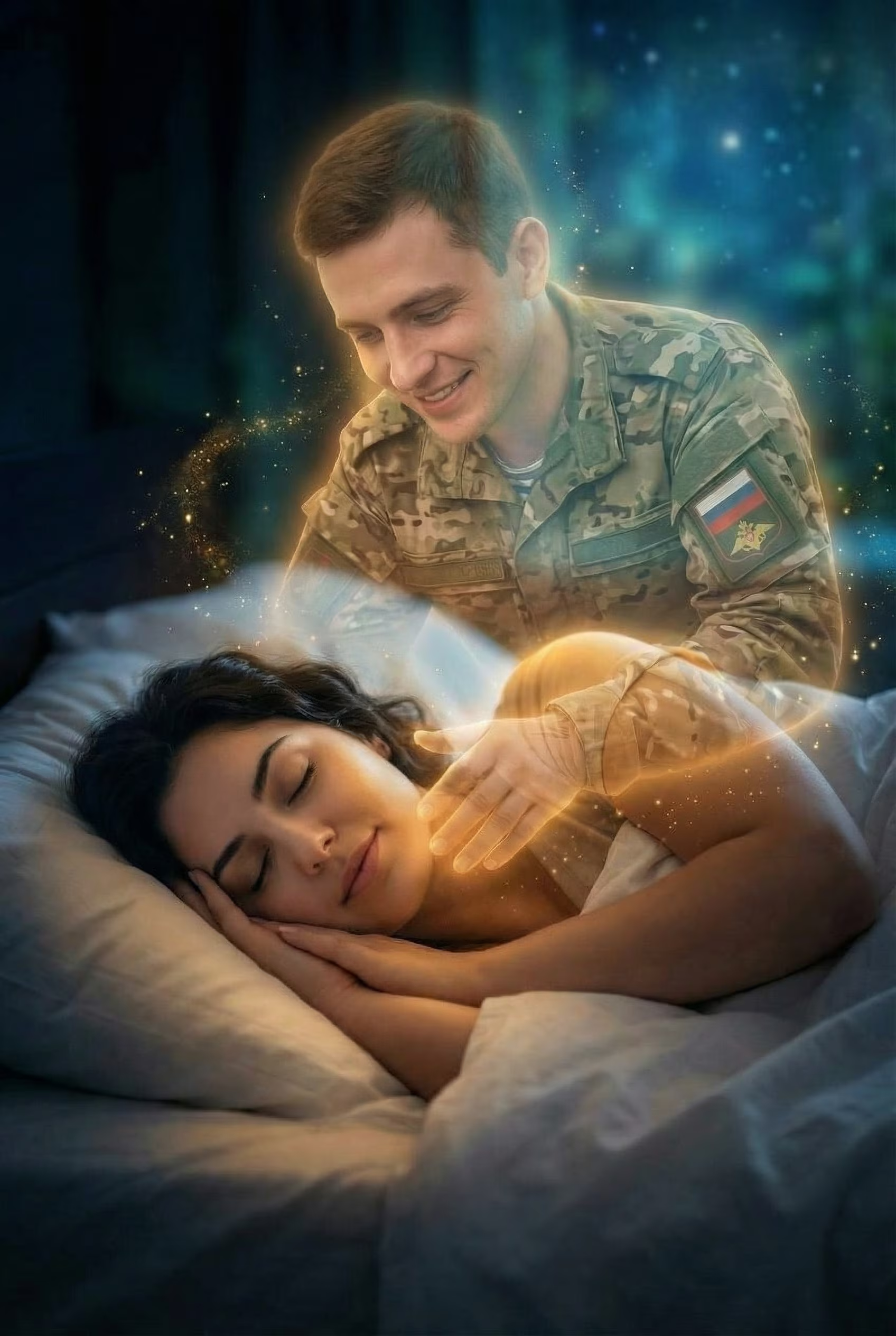
A new form of digitally mediated grief is spreading in Russia: widows and female relatives of men killed in the war are turning to artificial intelligence services to “bring” their photographs to life. From archived images, wedding shots, or selfies, creators produce short videos in which the dead man moves, smiles, and sometimes delivers a prewritten line. For some, it is a way to preserve memory; for others, an attempt to cope with loss.
Rising demand has quickly created a supply side—an entire niche has emerged around such services. So-called “neuro-creators” offer to “bring back a loved one, if only for a minute,” “create a husband’s final message,” or “animate a hero’s photograph.” Prices range from a few hundred to several thousand rubles, depending on the quality of the source materials, the complexity of the processing, and the video’s length.
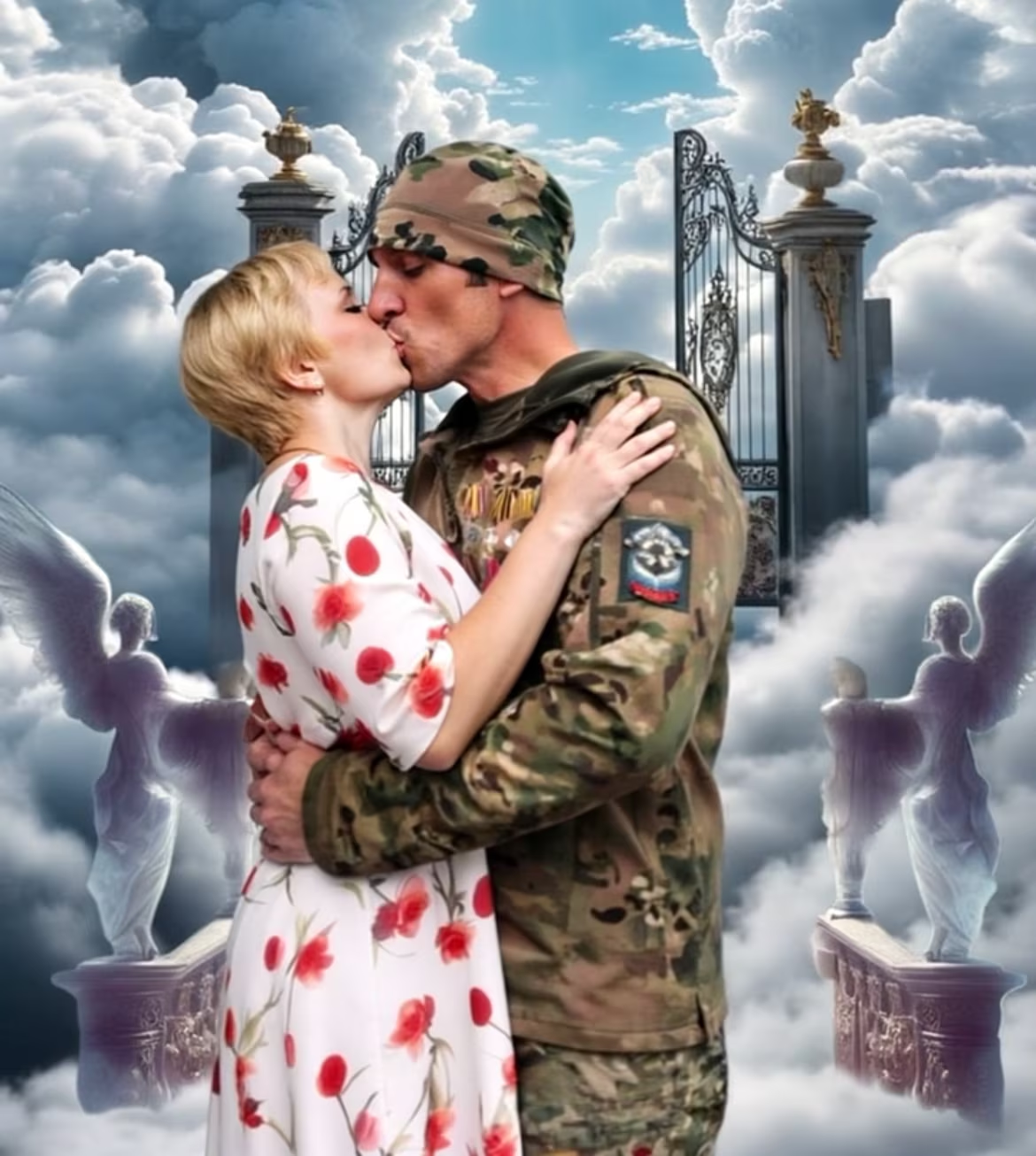
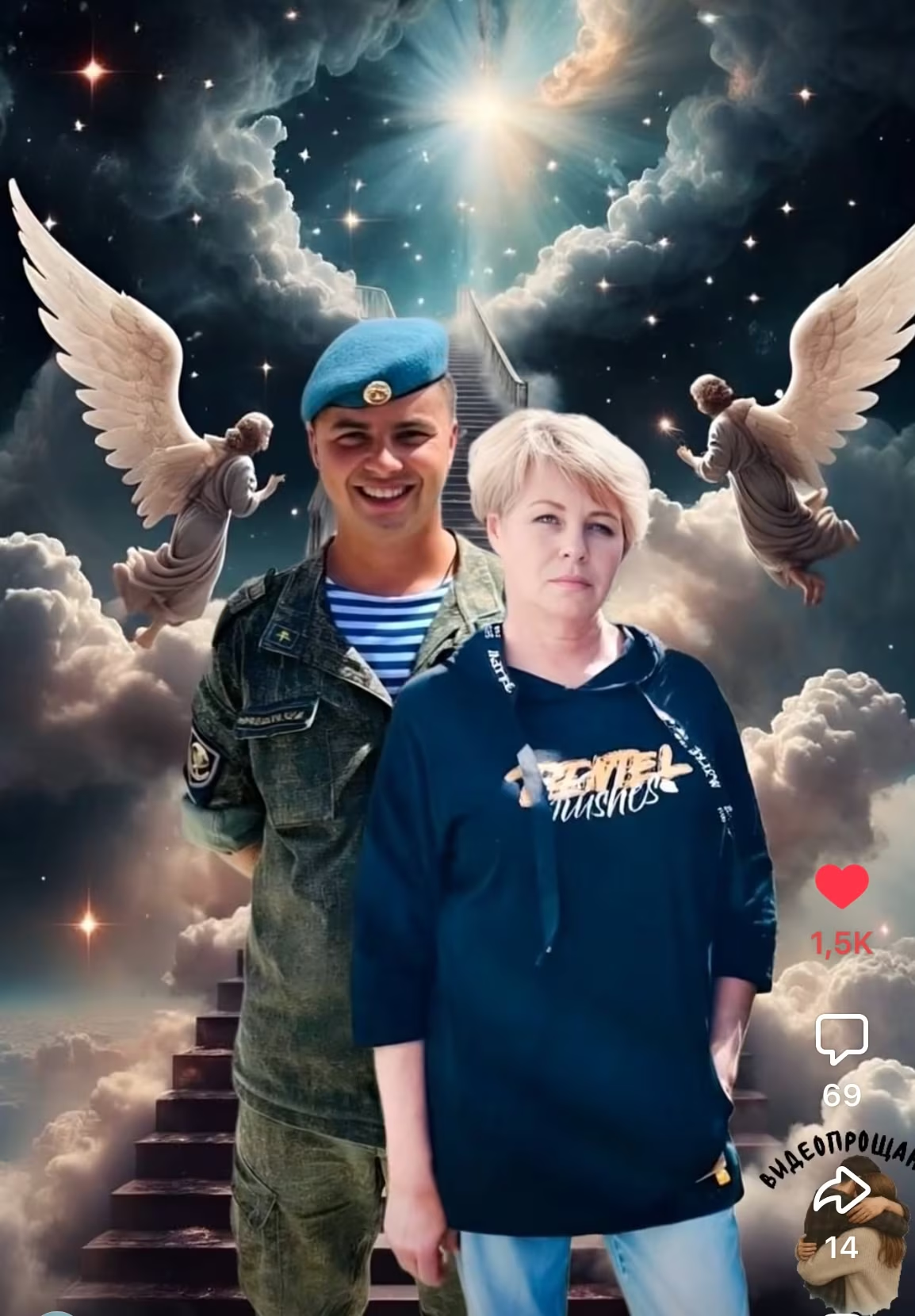
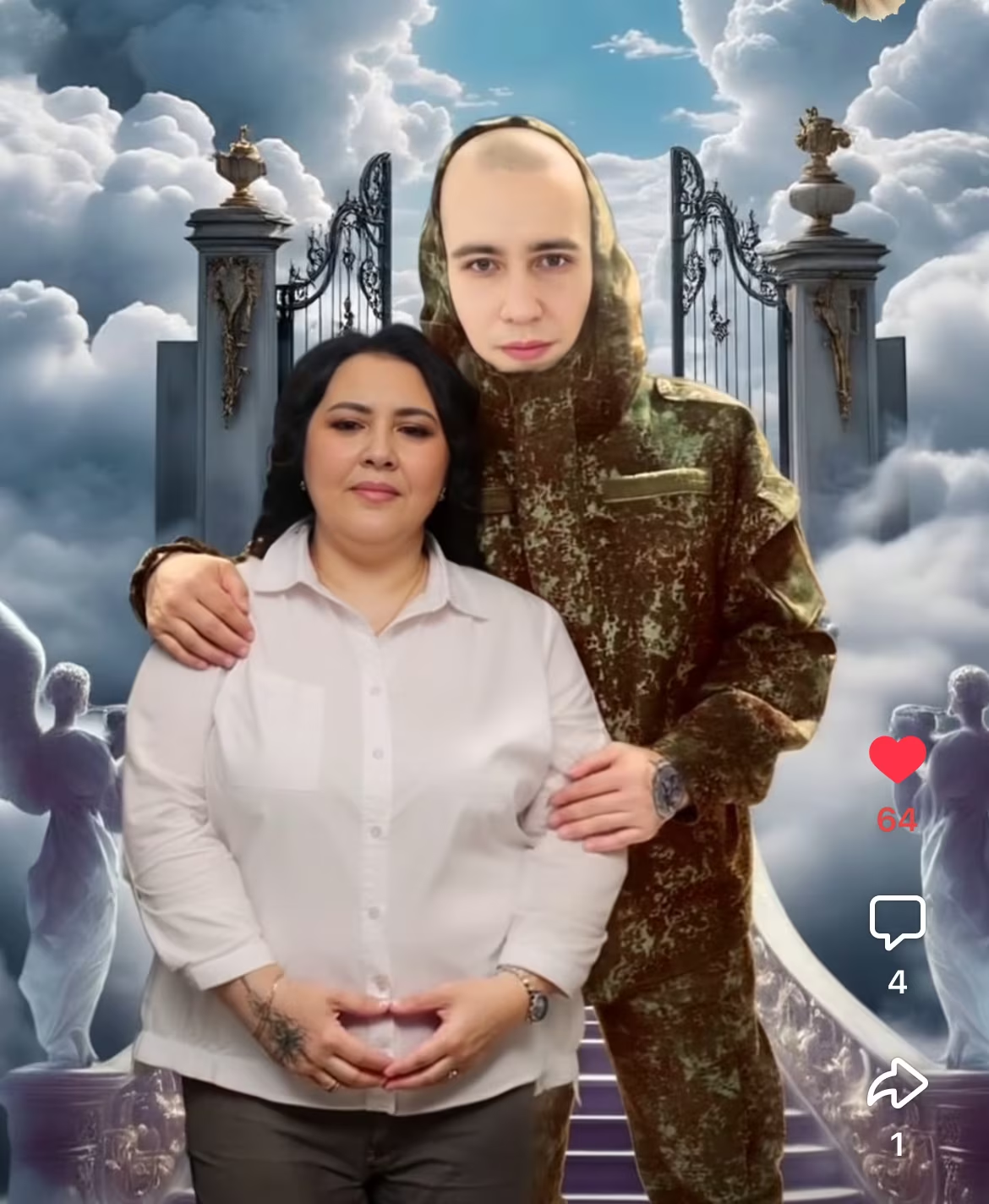
As a rule, the process follows a similar script. The client sends a photograph of her husband—sometimes several images and a voice message. The creator uploads the materials into generative services and then manually refines the result—removing defects, adding music, captions, military symbolism, or text.
In some cases, the videos aim for a kind of conditional documentary realism—with barely perceptible movement and restrained facial expression. In others, they take on a distinctly symbolic character, incorporating religious or pseudo-religious motifs as well as fantasy elements. The dead man thanks his wife, addresses his children with parting words, promises to “always be near,” then ascends a staircase into the sky and appears in the form of an angel.
For some, this activity has become a source of income. Among them is Katya Jin—Ekaterina Kirpichnikova, 21. Before the war, she earned money producing content for social media and took part in a paid campaign against Alexei Navalny. Her husband, who was also involved in the online infobusiness, went to the front and disappeared without a trace.
Left with a one-year-old child, she now builds her content around the image of a wife waiting for her husband to return from war.
As early as 2023, a project called “Videofarewell” appeared, offering to create videos based on photographs, videos, and voice messages from the dead. Its declared aim is to complete a “farewell that remained unsaid.” According to its creators, most clients are families of servicemen killed in Ukraine. The cost of the service ranges from 1,300 to 10,000 rubles.
Another participant in the market, known as Aliyana, says she began making “farewell videos” after her brother was killed. At first she worked for free, but later turned it into a source of income—earning, by her account, up to 55,000 rubles a day. Ulyana Lebed said she processes as many as 40-50 photographs daily.
Some clients return again—ordering new videos for death anniversaries or the birthdays of the dead.
Women predominate among these “neuro-creators,” many of whom stress their personal involvement—they themselves have experienced loss or have relatives taking part in the war, missing in action, wounded, or killed.
Against the backdrop of growing interest in AI video and war-related themes, some of these entrepreneurs are expanding their business—they sell training courses on working with generative tools and distribute ready-made prompts for creating similar content independently.
The emergence of this market has been made possible by the sharp fall in costs and the simplification of technology—generative AI services and video-editing software. At the same time, experts note that this private initiative partly compensates for the lack of nonmaterial support for the families of the dead: state payments remain substantial, but psychological assistance and social adaptation programs are poorly developed.