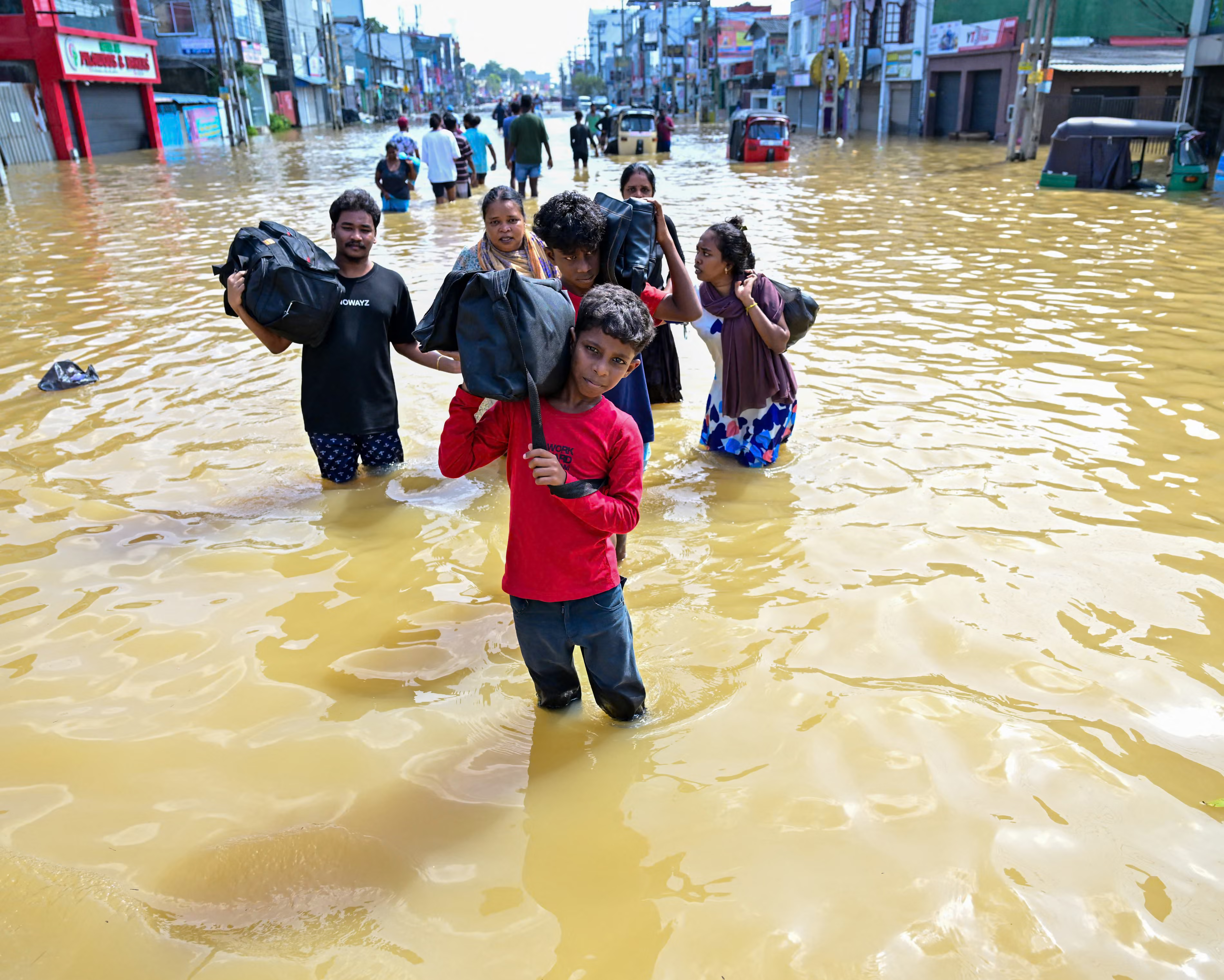
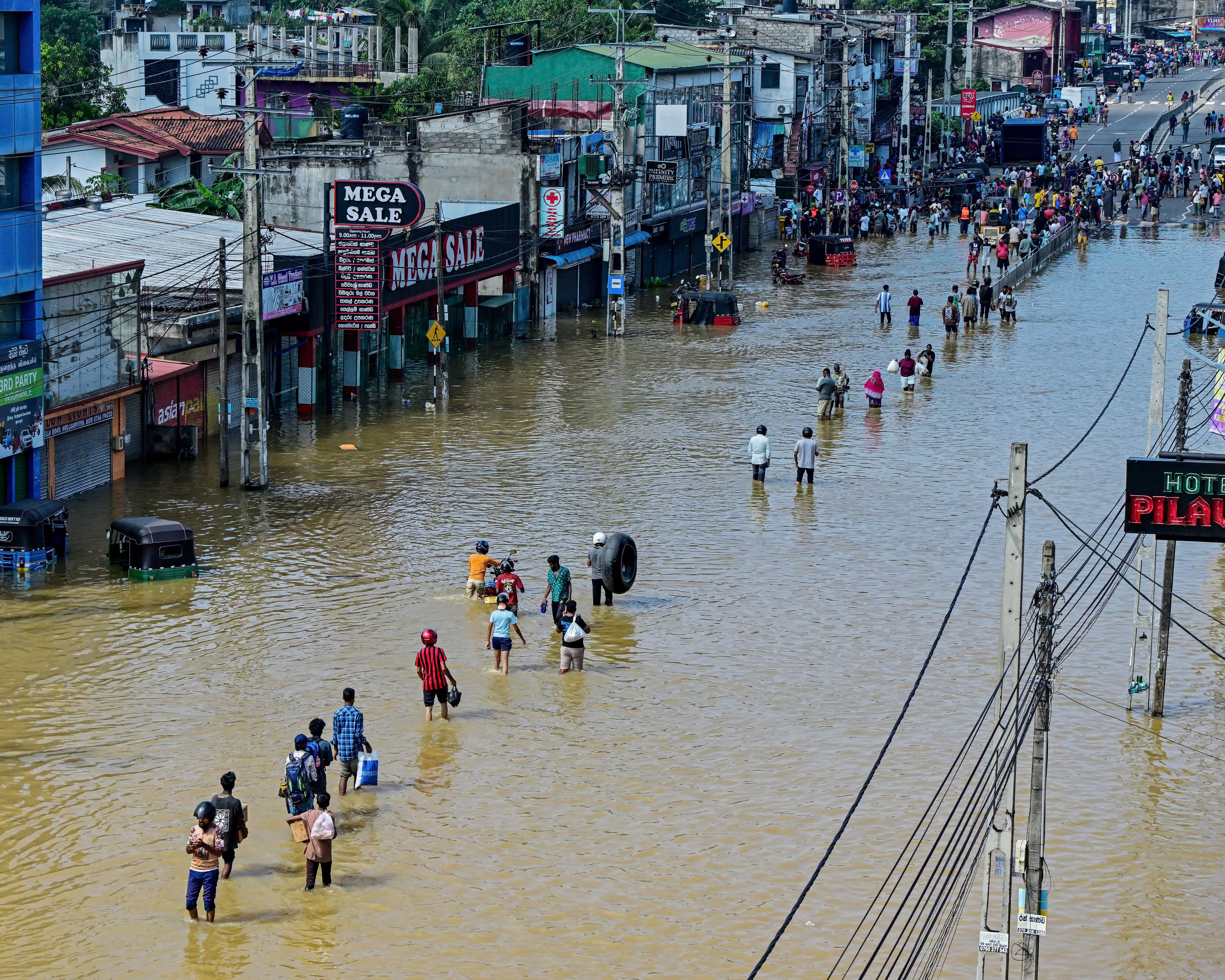
Entire districts of Sri Lanka’s capital have been submerged after a powerful cyclone brought torrential rains and triggered landslides across the island. Authorities report nearly 200 dead and dozens still missing.
Officials say the full extent of the destruction in the hardest-hit central regions is only becoming clear on Sunday, as rescue crews clear roads blocked by fallen trees and cascading earth.
According to the Disaster Management Centre (DMC), a series of torrential rains brought by Cyclone Ditva has killed at least 193 people, with another 228 reported missing. It is the country’s most devastating natural disaster in recent years.
Large-scale flooding began in northern Colombo after a sudden rise in the Kelani River. “Although the cyclone has passed, intense rainfall upstream is causing low-lying areas along the Kelani River to flood,” a DMC spokesperson said.
Selvi, a 46-year-old resident of the Colombo suburb of Wennawatte, was forced to leave her home on Sunday, carrying a few bags of clothing and valuables. “My house is completely flooded. I don’t know where to go, but I hope to find a safe place for my family,” she told Agence France-Presse.
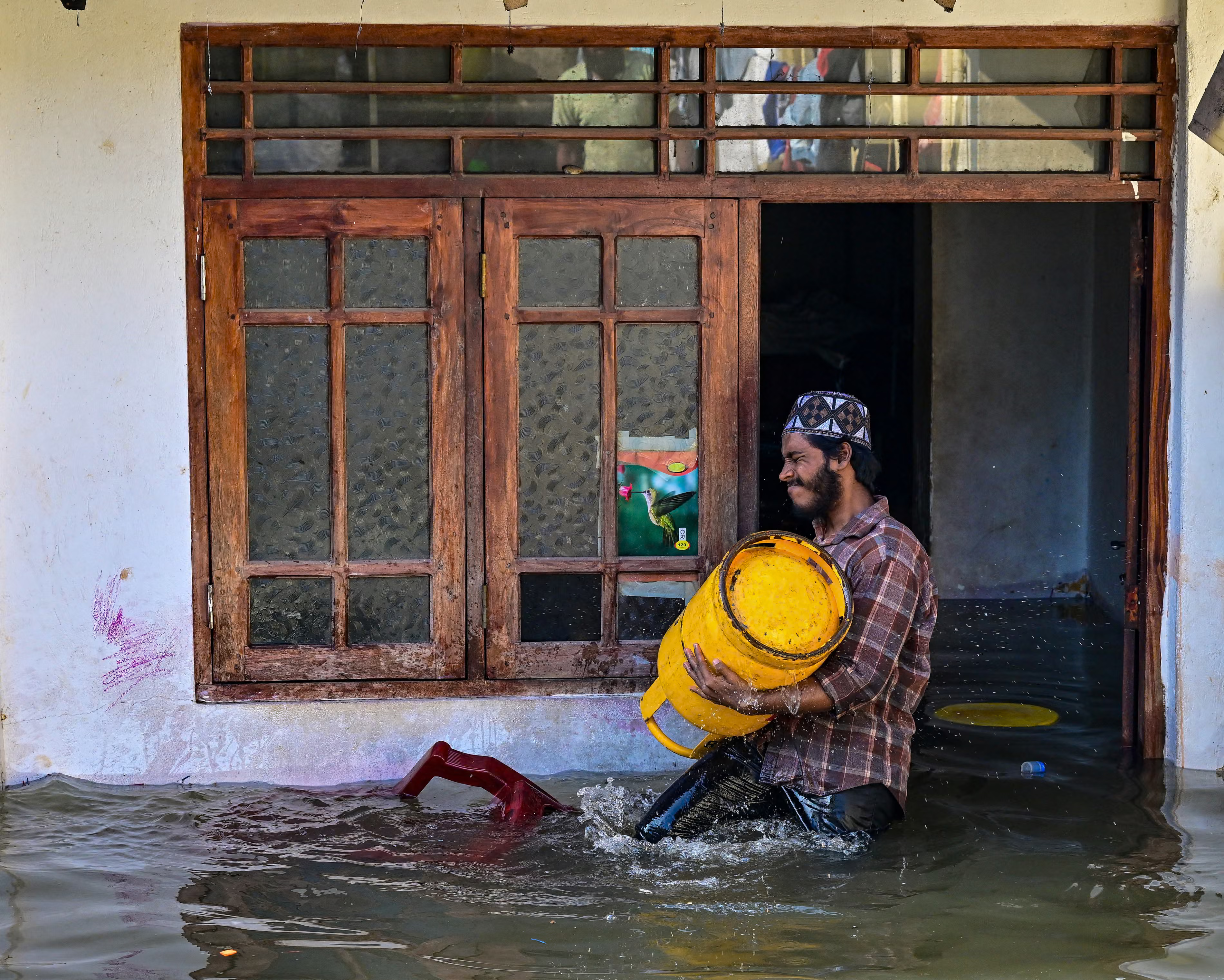
In Manampitiya, located 250 km northeast of Colombo, the waters have begun to recede, revealing the scale of the devastation. “Manampitiya is prone to flooding, but I have never seen this volume of water,” said S. Sivanandan, a 72-year-old local resident.
He told the News Centre,> that both businesses and homes had been damaged. According to him, a car had flipped over in front of his shop.
The National Building Research Organisation, which monitors slope stability, warns of a high risk of further landslides as the hillsides remain saturated with moisture.
Sri Lankan President Anura Kumara Dissanayake declared a state of emergency on Saturday to address the aftermath of the cyclone and appealed for international assistance.
India was the first to respond to the call for assistance, sending relief supplies and two helicopters for rescue operations. Officials said two more helicopters were expected to arrive on Sunday.
According to the Sri Lankan Air Force, Pakistan is also sending rescue teams. Japan said it would dispatch a group to assess immediate needs and pledged further support.
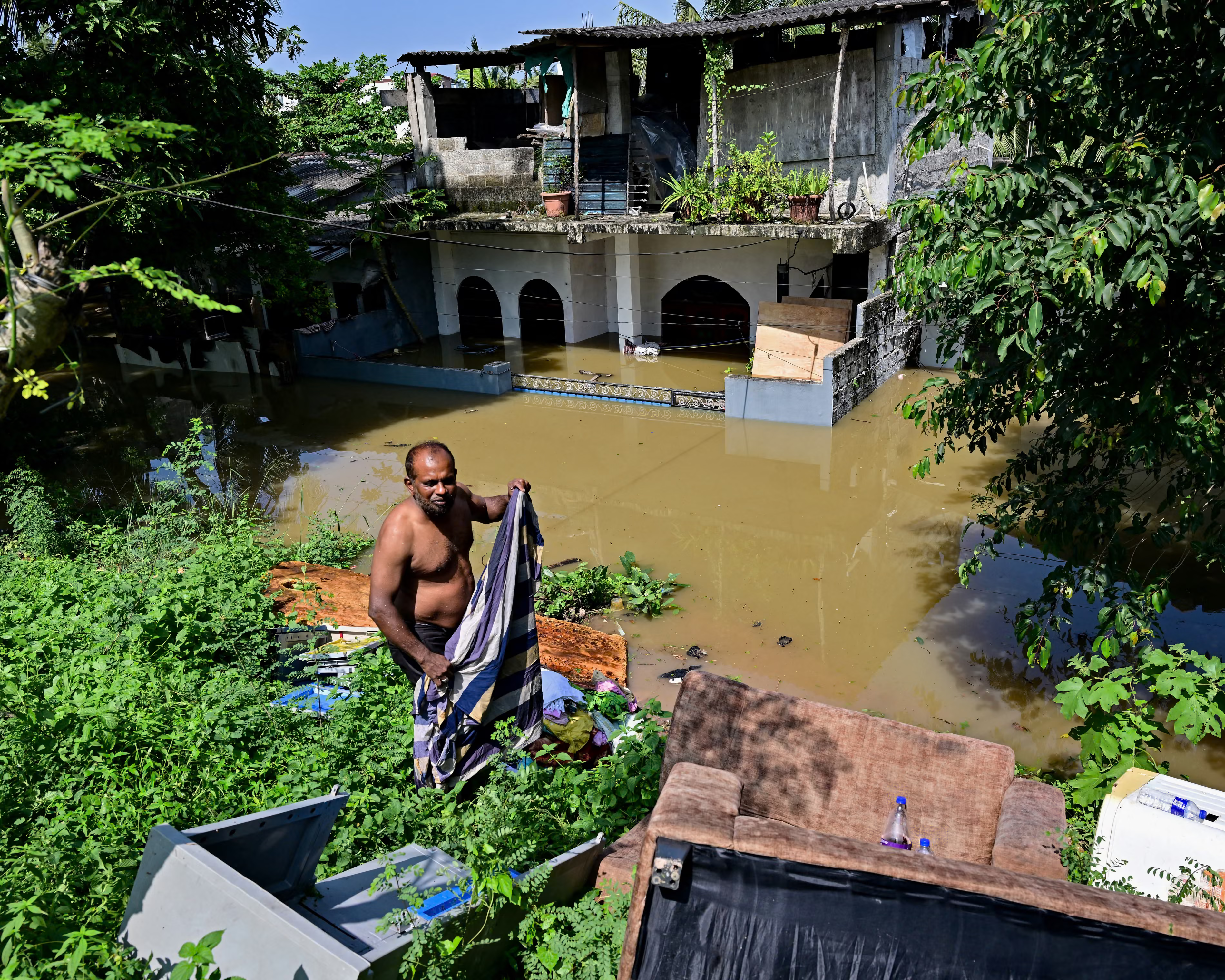
The disaster has destroyed more than 25 000 homes and forced 147 000 people to seek shelter in state-run temporary centres. A further 968 000 people require assistance after being displaced by the floods.
Military units — the army, navy and air force — are working on the ground alongside civilian services and volunteers, supporting a vast relief operation.
The climate crisis is altering storm patterns — including the duration and intensity of the season — leading to heavier rainfall, flash flooding and stronger wind gusts.
This cyclone is Sri Lanka’s deadliest natural disaster since 2017, when more than 200 people were killed and hundreds of thousands were displaced by floods and landslides.
The most destructive floods of the 21st century occurred in June 2003, claiming 254 lives.