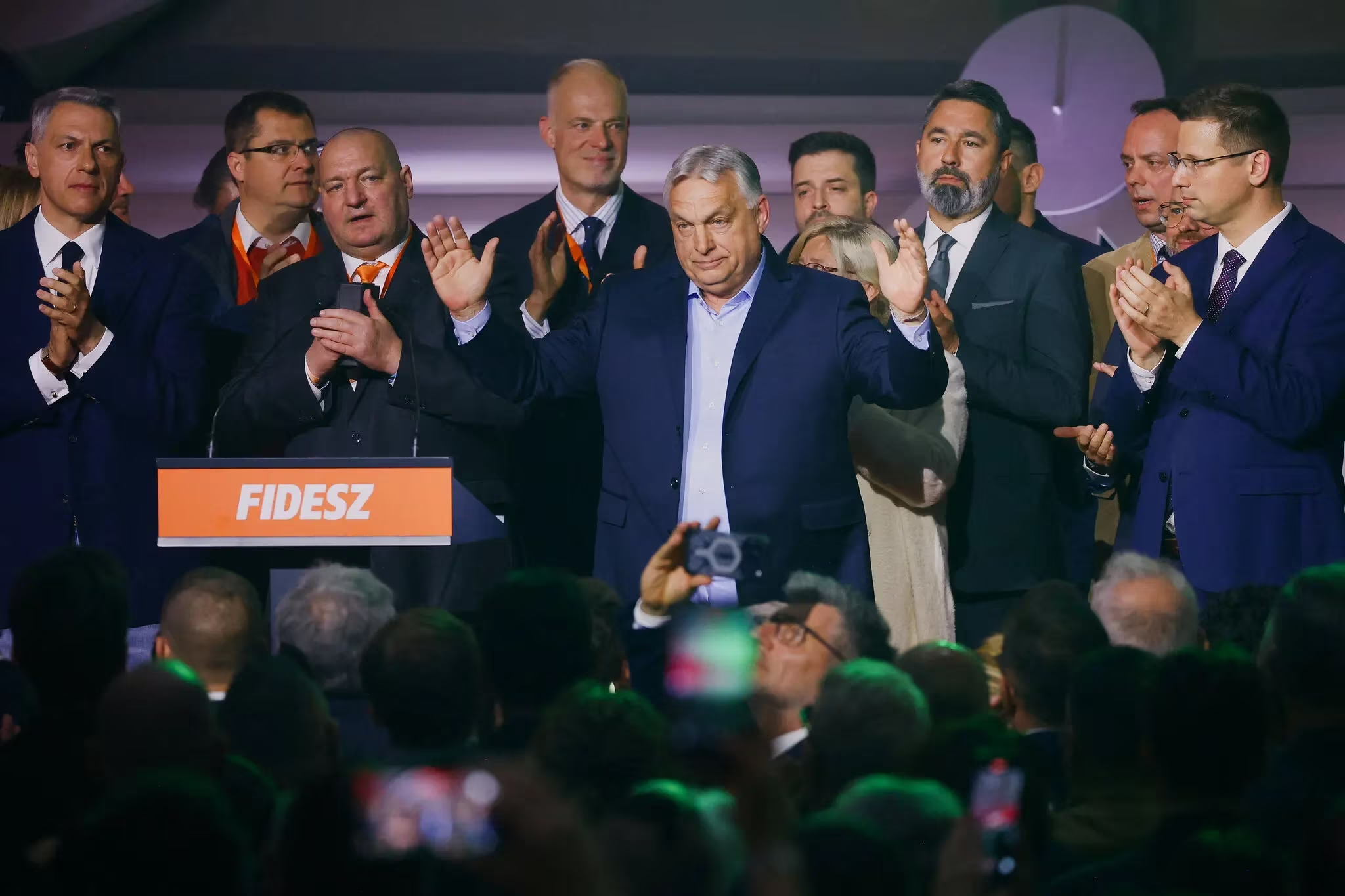
On the evening of April 12, after Hungary’s parliamentary election had concluded, Viktor Orban acknowledged the defeat of his Fidesz party and addressed supporters in Budapest.
“The election results are not yet final, but they are clear and unmistakable. For us, the outcome is painful, but unambiguous. We were not given either the responsibility or the opportunity to govern the country. I have already congratulated the winner.”
Peter Magyar, the leader of the opposition Tisza party, in turn declared victory before his own supporters. “Together, we have replaced Orban’s system, and together we have freed Hungary—we have taken back our country,” he said.
European leaders have already begun congratulating Magyar on his victory. “Hungary has chosen Europe. Europe has always chosen Hungary. The country is returning to its European path. The Union grows stronger,” European Commission President Ursula von der Leyen said.
Orban had been in power for 16 years and was regarded as one of Vladimir Putin’s key partners in Europe. During this campaign, Fidesz received support from Russian political strategists. At the same time, according to Meduza’s sources, Moscow had already allowed for the possibility of Orban’s defeat on the eve of the vote.
Donald Trump had publicly backed the incumbent prime minister, saying the United States was prepared to help Hungary “prosper” if he won re-election.
45-year-old Peter Magyar represents the center-right and favors restoring relations with the European Union. On the question of support for Ukraine, his Tisza party has taken a cautious line—in particular, it opposes Ukraine’s accelerated accession to the EU.
Turnout was record-breaking for Hungary, reaching nearly 80%. According to preliminary results, the Tisza party won the largest share of the vote.