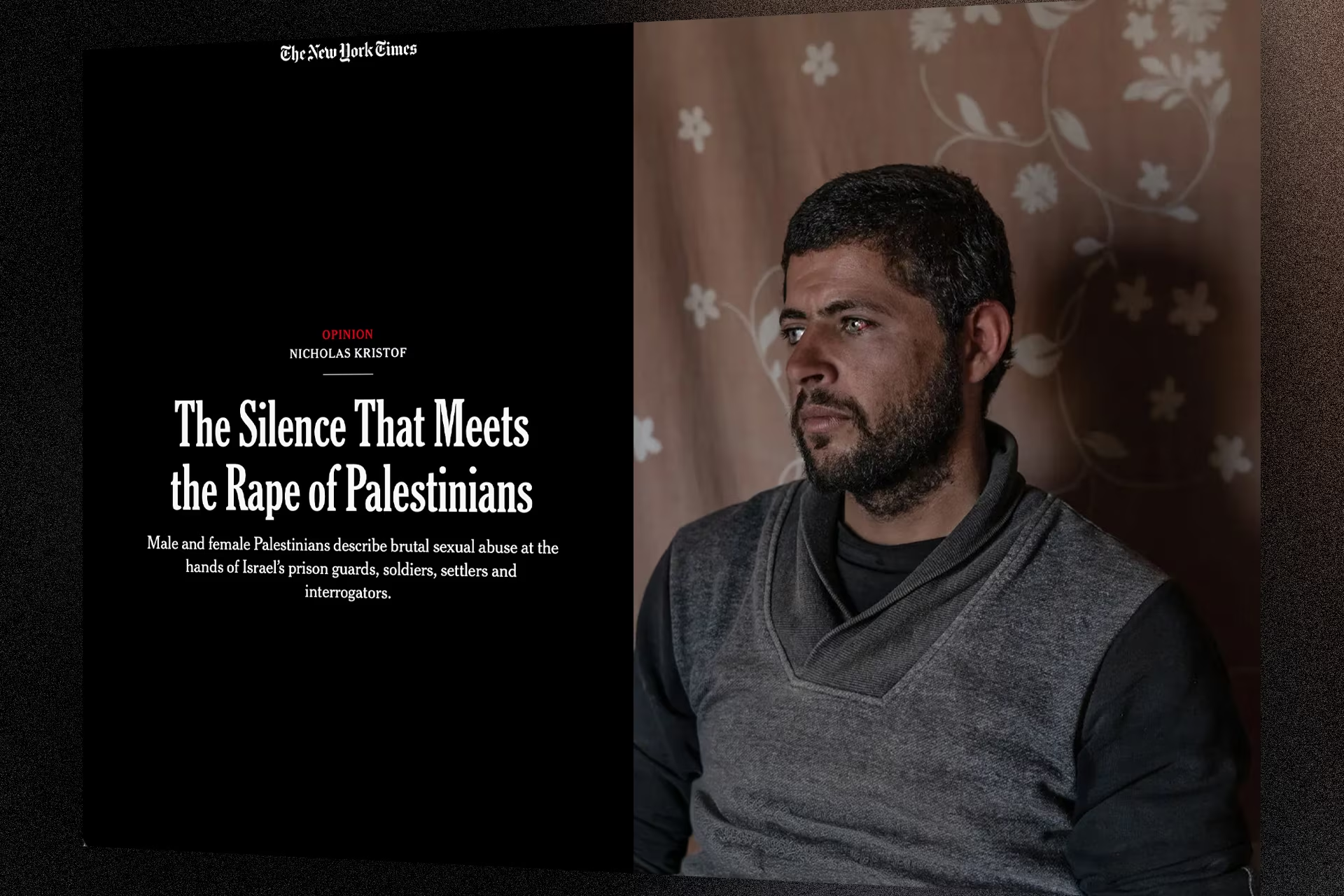
The New York Times published a report alleging that Palestinian detainees were systematically subjected to sexual violence by members of Israel’s security apparatus. The article includes claims of abuse in prisons, during arrests, and at checkpoints.
The article’s author, Nicholas Kristof, said he spoke with 14 Palestinians—men and women—who alleged sexualized violence by soldiers, prison staff, intelligence personnel, and settlers. According to Kristof, some of the accounts were additionally corroborated by relatives, lawyers, and other witnesses.
Interviewees described various forms of abuse and humiliation. One participant in the report, Suhaib Abu Al-Kebash, claims he was subjected to beatings and sexual abuse involving a service dog after his detention. Others described physical assaults, threats of rape, the use of objects, and injuries severe enough to require medical treatment and surgery.
Kristof writes that he found no evidence of direct orders from Israeli leadership. However, in his assessment, the allegations may point not to isolated incidents but to a broader pattern of pressure and abuse targeting Palestinian detainees.
The newspaper also cites reports from the United Nations and human rights organizations that had previously documented complaints by Palestinians regarding sexual violence and humiliation in detention facilities.
Israeli authorities sharply rejected the report. Prime Minister Benjamin Netanyahu said he had instructed legal advisers to examine the possibility of pursuing “the harshest possible legal measures” against The New York Times and the article’s author. He described the publication as a libel against Israeli forces and a “blood libel.”
Israel’s Foreign Ministry also criticized the article, calling it “one of the most grotesque and distorted fabrications” published about the country. The ministry argued that some of the allegations relied on sources Israeli officials consider connected to anti-Israel advocacy efforts.
The New York Times said it stands behind both the article and its author. Editors stated that Kristof personally worked with testimony from alleged victims and that the report’s facts and details underwent extensive verification and, where possible, were corroborated through additional sources.