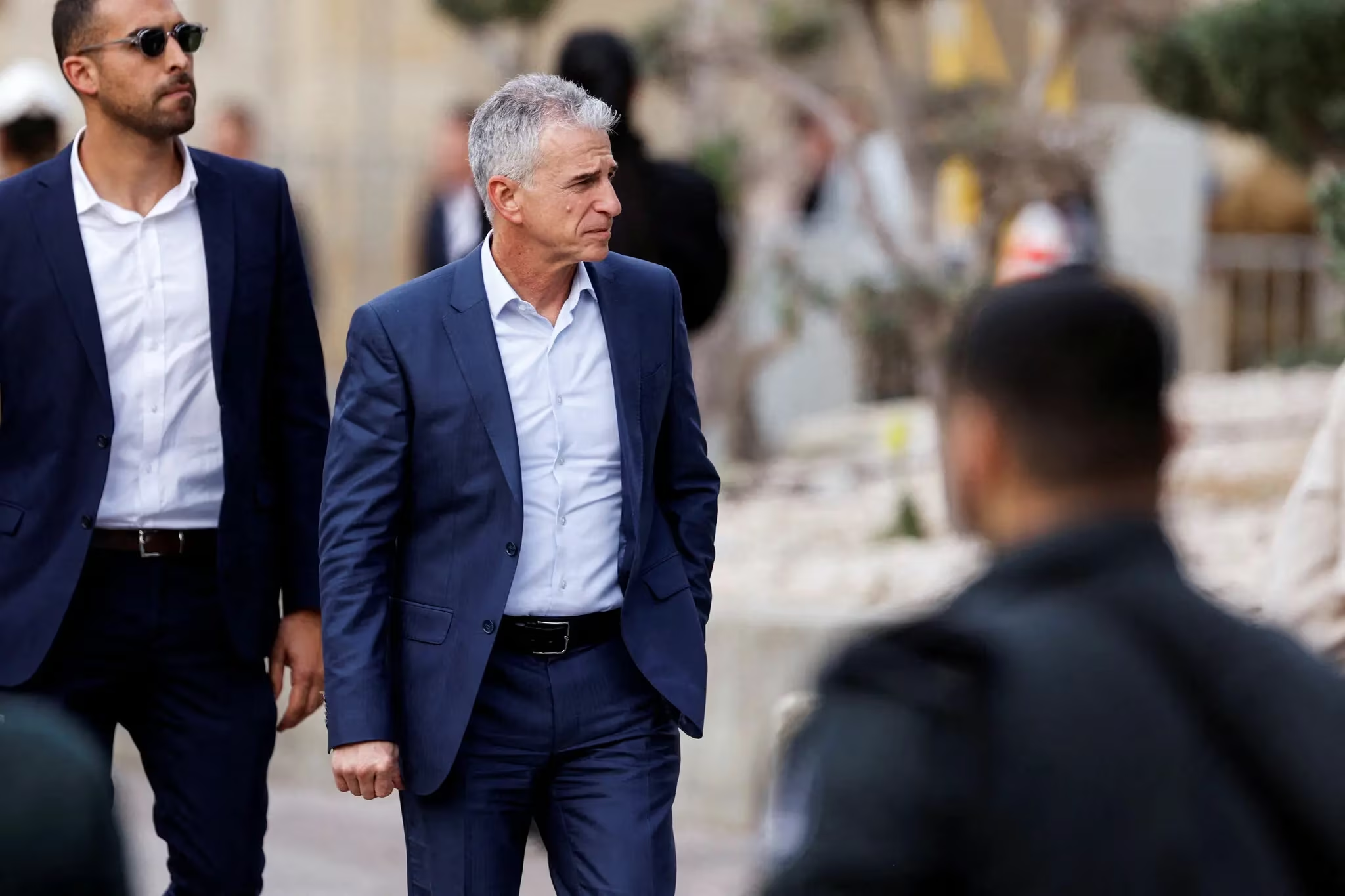
The Mossad assured Benjamin Netanyahu and Donald Trump that targeted killings of Iranian leaders, acts of sabotage, and a series of covert operations could destabilise the situation inside Iran and push the country toward an uprising. According to accounts of a report by The New York Times, Israel’s intelligence chief David Barnea argued in the early days of the war that his agency could help mobilise the Iranian opposition and trigger unrest that, over time, could call the regime’s stability into question. He also presented this reasoning to US officials during a visit to Washington in mid-January.
However, American and Israeli military officials were sceptical of such a scenario from the outset. They warned that amid ongoing strikes, the population was unlikely to take to the streets, and that any attempts at mass protests could be swiftly suppressed by security forces. As early as March 12, Reuters, citing Iranian opposition activists, reported that bombardments alone do not bring down a regime: what is required is internal organisation rather than external pressure, and large-scale protests remain unlikely until the strikes cease.
Three weeks on, it has become clear that the expectation of an internal collapse has not materialised. The authorities in Iran retain control, the security apparatus shows no signs of fracture, and large-scale protests have yet to emerge. Moreover, fears of another harsh crackdown following the January wave of repression, combined with the conditions of wartime, have, according to Western officials and analysts, further reduced the likelihood of street mobilisation.
Instead of the anticipated destabilisation, Iran has, on the contrary, consolidated and simultaneously intensified the confrontation. Even in the face of heavy losses, Tehran has made no concessions and, as noted by The Washington Post and AP, has opted for further escalation, including pressure through the Strait of Hormuz and threats to the energy infrastructure of US allies in the region.