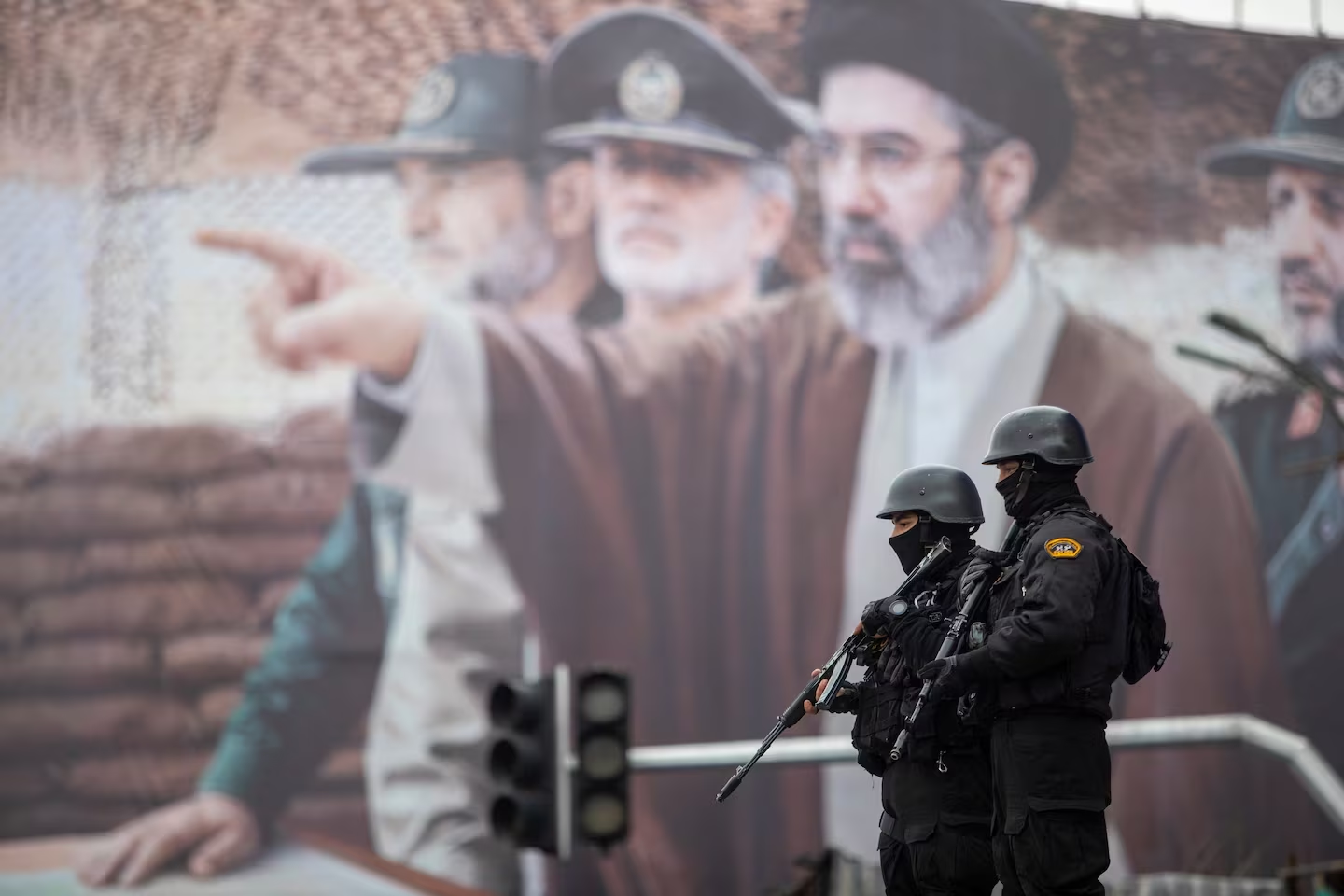
Senior Israeli officials, in conversations with U.S. diplomats, warned that any new protests in Iran would be “brutally suppressed,” despite Israel’s public calls for an uprising. This emerges from a State Department cable reviewed by The Washington Post.
According to the document, the Iranian regime is “showing no cracks” and is prepared to “fight to the end,” despite the death of Supreme Leader Ali Khamenei on February 28 and the ongoing U.S. and Israeli strikes. Authorities have already killed thousands of protesters earlier this year, and in the event of renewed unrest, “people will be eliminated,” as the Islamic Revolutionary Guard Corps retains an “overwhelming advantage.”
At the same time, Israeli officials express hope for a mass uprising and urge Washington to prepare in advance to support it. The document is based on meetings between U.S. officials and representatives of Israel’s National Security Council, Defense Ministry, and Foreign Ministry. Against this backdrop, exiled crown prince Reza Pahlavi is calling on Iranians to take to the streets during the Chaharshanbe Suri festival.
Experts warn that such mixed signaling may be perceived as cynical. “Many will feel profoundly betrayed,” notes Narges Bajoghli. Suzanne Maloney, vice president at the Brookings Institution, adds that using vulnerable protesters as a tool of pressure would be “regrettable.”
Since the start of the war, the United States and Israel have carried out thousands of strikes on Iran, targeting nuclear infrastructure, missile stockpiles, and internal security forces. Benjamin Netanyahu has said the operation is intended to create conditions for regime change, although other Israeli officials view the weakening of Iran itself as a sufficient outcome.
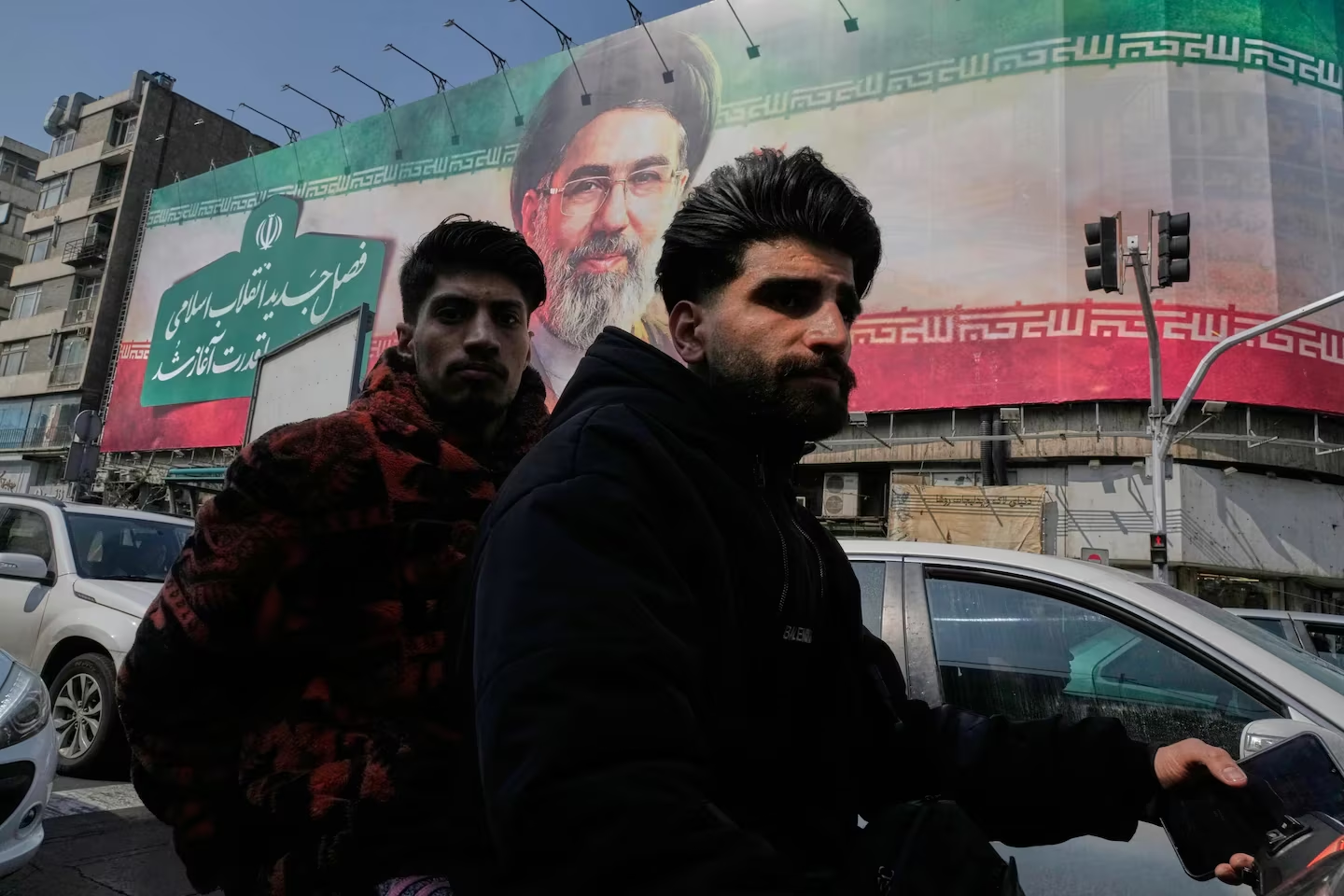
Donald Trump’s position has also shifted: from urging Iranians to “take power into their own hands,” he has moved to acknowledging that protesters will be shot. The White House stresses that the president “does not want to see suffering,” while blaming the regime for killings and strikes on civilians.
Despite significant losses, the resilience of the Iranian regime has proved greater than expected. Israel had anticipated that the killing of the supreme leader would trigger “greater chaos,” yet the authorities continue to launch missiles and drones “wherever they want.” Maloney describes this assessment as “poorly informed” and points to a strategic miscalculation by the United States and Israel.
According to Israeli officials, the new leader Mojtaba Khamenei remains in control and is even more closely aligned with the IRGC’s hardline faction. The regime remains “stubborn” and, in their view, can be “overthrown only from within.”