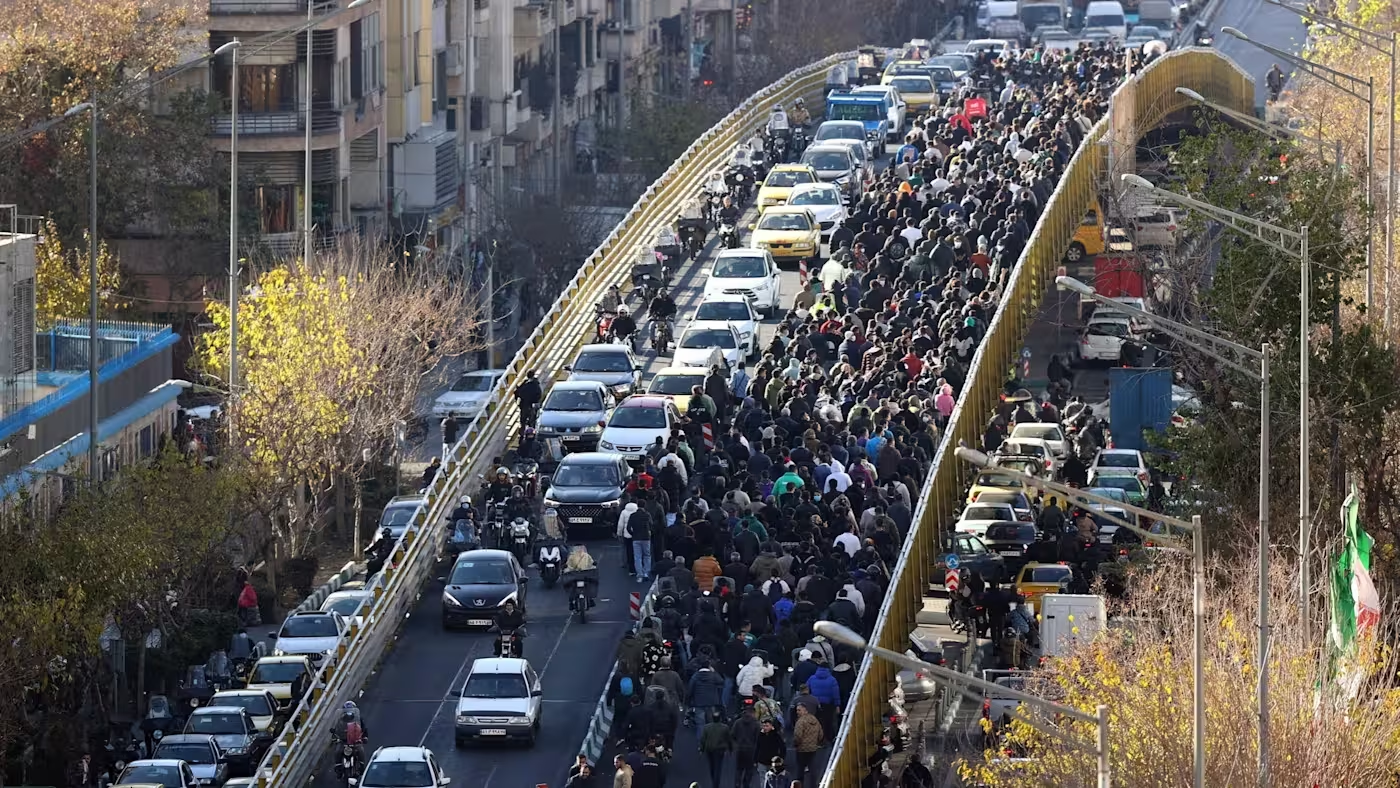
Iran’s authorities announced the appointment of a new central bank governor and declared an additional public holiday, seeking to contain protests by business owners and students that have continued for several days and were triggered by a surge in living costs and a sharp collapse of the national currency.
On Wednesday, December 31, it was confirmed that Abdolnaser Hemmati, who previously served as minister of the economy, had been appointed as the new head of the central bank. Government spokesperson Fatemeh Mohajerani said his candidacy had been endorsed by banking experts and enjoyed a “vote of confidence from the government.”
The appointment came as the Iranian rial fell to historic lows against the US dollar and inflation climbed above 40 percent. These trends have fuelled widespread anger over the sharp deterioration in living standards and intensified pressure on the authorities to act.
According to Mohajerani, Hemmati will focus on “curbing inflation, stabilising the exchange rate and addressing imbalances in the banking system,” she wrote on X on Wednesday.
The protests—described as the largest in several years—began on Sunday, when shop owners in Tehran’s commercial district shut their businesses in protest at the economic situation. Traders at the historic Grand Bazaar soon joined them.
On Tuesday, the protests entered a third consecutive day, with students from several universities in Tehran and other cities taking to the streets. Videos circulating on social media captured chants such as “death to the dictator.” According to unconfirmed media reports, some participants were briefly detained. At the same time, regime supporters staged counter-rallies in several cities.
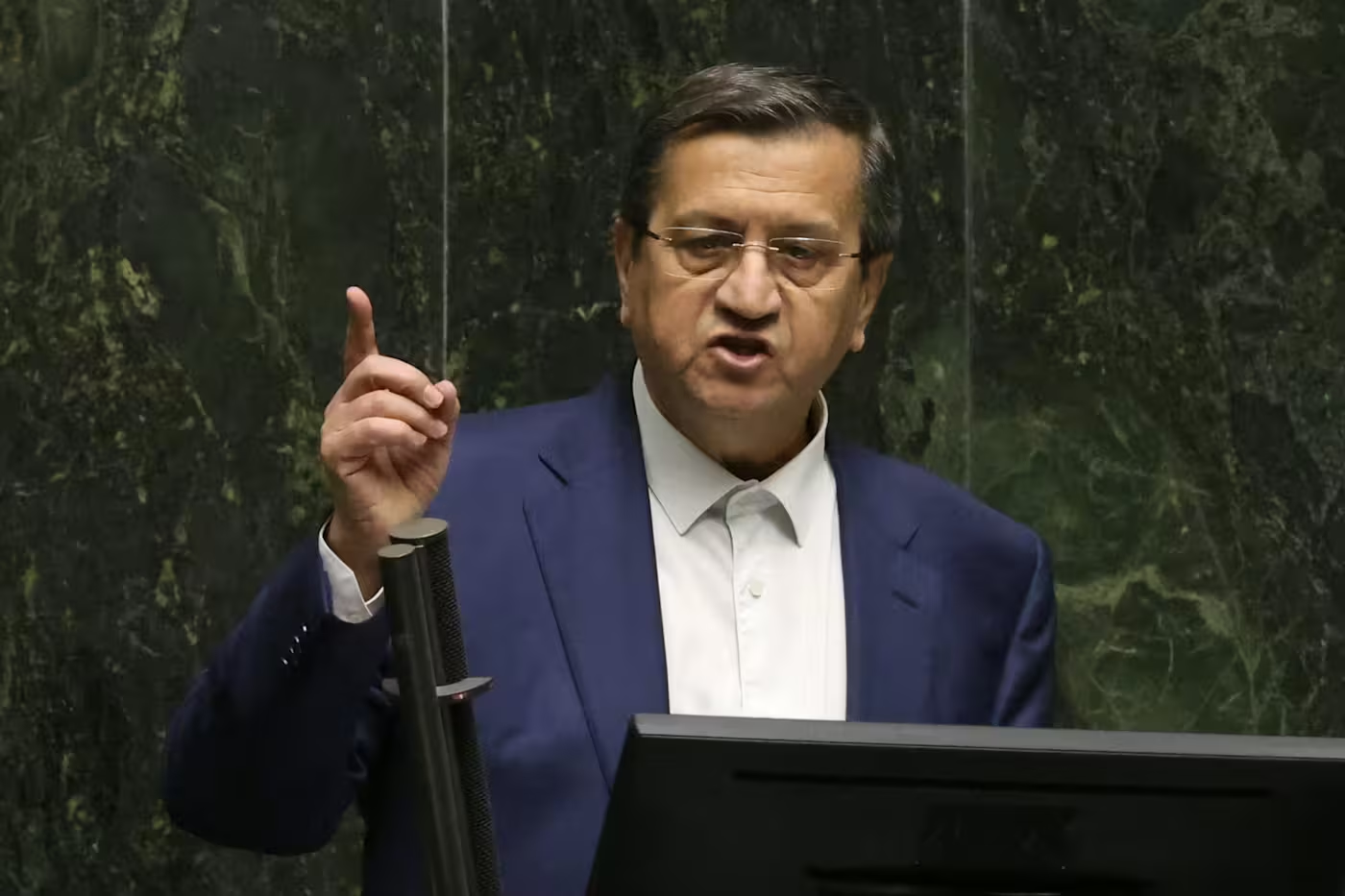
The appointment of Abdolnaser Hemmati followed the collapse of the Iranian rial to historic lows against the US dollar.
The government said that state-run offices and educational institutions would be closed on Wednesday in almost all provinces. An additional public holiday was declared ahead of a long weekend, effectively shutting the country down for four days.
Officials said the move was intended to optimise energy consumption as temperatures fell across Iran. Many Iranians, however, believed the decision was designed—at least in part—to curb protest activity.
Several shopping centres, including Tehran’s Alaeddin—one of the locations where the protests initially erupted—will also be closed.
The ministry of higher education said that university classes during the final week of the current semester would be held online “due to cold weather and energy shortages, and to ensure the welfare of students ahead of final examinations.”
Amid public outrage, the authorities sought to signal a willingness to acknowledge the scale of the economic hardship. On Tuesday, President Masoud Pezeshkian met representatives of guilds, trade unions and the Grand Bazaar’s board of trustees. He promised to consider their demands based “on their own recommendations” and called for “co-operation to reduce public anxiety.”
Vice-president Mohammad Jafar Ghaempanah issued a rare “apology to the people for 40-percent inflation.” He said the government was doing everything possible to contain it, while stressing that the problems could not be resolved overnight.
The US withdrawal from the nuclear deal with Iran in 2018, followed by the imposition of a sweeping sanctions regime, severely damaged the Islamic republic’s economy by curbing oil trade, cutting the country off from the global banking system and reducing hard-currency revenues.
Additional strain was placed on the economy by a 12-day war with Israel and the United States in June. This week, President Donald Trump, following a meeting with Israeli prime minister Benjamin Netanyahu in Florida, raised the possibility of further strikes on Iran’s nuclear programme.
The rial, which lost about 40 percent of its value after the June war, edged higher on news of a change in the central bank’s leadership.
Hemmati himself was impeached in March and removed from his post as minister of the economy amid concerns over the weakening of the national currency.
Mohajerani said the government intended to “patiently listen to voices of protest” from Iranians who, she said, were “very patient” and “do not raise their voices unless they are under severe pressure.”