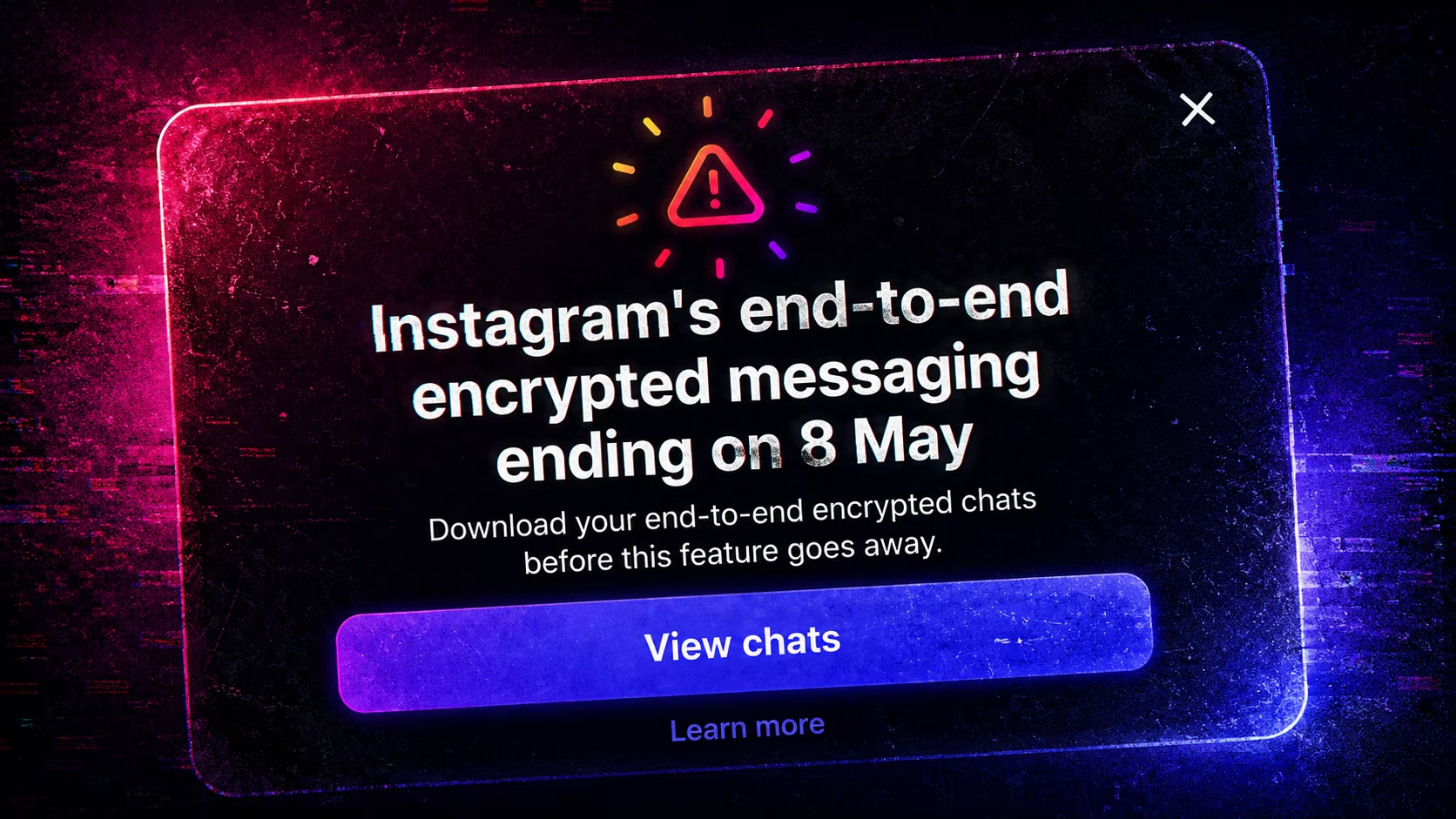
Instagram is ending support for end-to-end encryption in direct messages between users starting in May, following years of pressure from law enforcement agencies and child protection organizations.
Meta is updating Instagram help materials and an older 2022 post to state that, beginning May 8, 2026, end-to-end encryption will no longer be available for direct messages on the platform.
This means the company will gain the ability to view the contents of all Instagram user conversations. Previously, this was not possible for chats where encryption had been enabled.
A Meta spokesperson said the decision was driven by low usage of the feature.
“Very few people were opting in to end-to-end encrypted messaging in DMs, so we’re removing this option from Instagram in the coming months. Anyone who wants to keep messaging with end-to-end encryption can still do so on WhatsApp,” the company said.
Mark Zuckerberg first announced plans to introduce end-to-end encryption across Meta’s ecosystem back in 2019, although full implementation only began in 2023.
Over recent years, Meta has faced criticism from child protection organizations and a coalition of law enforcement agencies that includes the FBI, Interpol, the UK’s National Crime Agency, and the Australian Federal Police. They argue that end-to-end encryption makes it harder to combat child exploitation and other online crimes.
For users in Australia, the feature already appeared disabled during testing on Wednesday. Australia’s eSafety Commissioner said encryption plays an important role in protecting privacy, but platforms must also ensure they can detect and prevent harmful content.
“When end-to-end encryption is implemented without sufficient safety measures, it can increase risks and make it more difficult to detect threats such as child sexual exploitation, terrorism, and violent extremism,” the agency said.
Tom Sulston, head of policy at Digital Rights Watch, said Meta’s decision was likely driven not only by pressure from authorities, but also by a broader shift in the company’s messaging strategy.
In his view, Meta may be abandoning the idea of merging WhatsApp, Facebook, and Instagram into a unified messaging system. He noted that keeping encryption on WhatsApp suggests an effort to create a sharper divide between social media platforms and private messaging.
Sulston also said commercial interests could play an important role. According to him, access to message content could potentially be used for targeted advertising and AI training.
“They may not be doing this right now, but the commercial pressure is enormous, so it seems inevitable that eventually they will move in that direction—if they haven’t already,” he said.
Sulston argued that technology companies should instead be expanding the use of end-to-end encryption, not abandoning it.