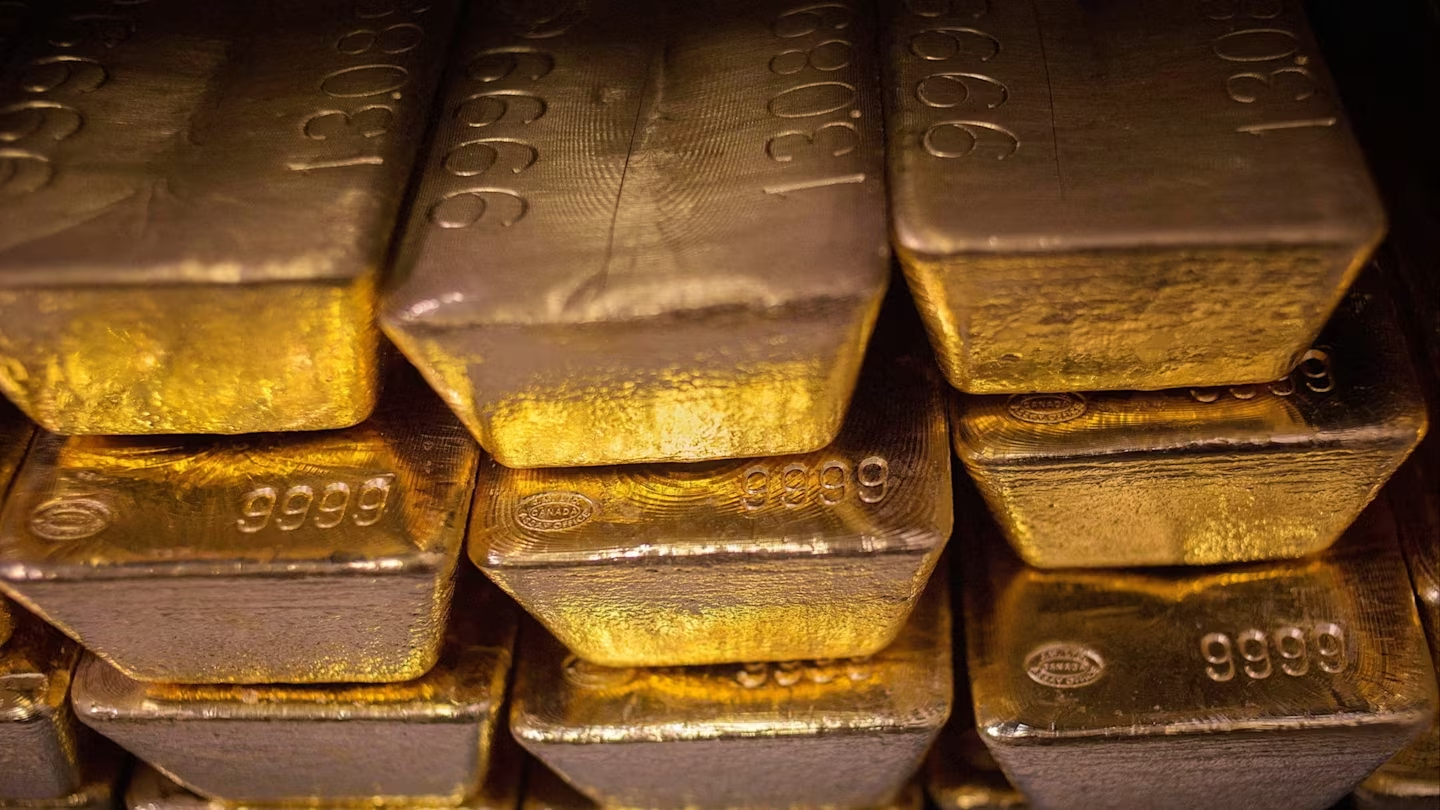
Gold has become the largest reserve asset held by central banks, overtaking U.S. Treasury bonds. The shift is described in a report by the European Central Bank.
According to the ECB, gold bullion accounted for 27% of all global reserve assets held by central banks by the end of 2025. A year earlier, its share stood at 20%. Over the same period, the share of U.S. government bonds fell from 25% to 22%, while euro-denominated assets remained at 15%.
The Financial Times links this shift in the composition of reserves—highly liquid assets that central banks use to support national currencies—to efforts by a number of countries to seek alternatives to the U.S. dollar.
Gold Overtook U.S. Government Bonds as Central Banks’ Main Reserve Asset
The trend strengthened after 2022, when the United States used sanctions to freeze Russia’s dollar reserves following the start of the war in Ukraine.
“Geopolitical tensions continue to drive strong central bank demand for gold,” ECB President Christine Lagarde wrote in the report.
According to the ECB, the world’s central banks now hold more than 36,000 tonnes of gold. That is close to the Bretton Woods-era peak of about 38,000 tonnes, when the dollar was tied to gold and currencies were fixed to exchange rates.
The rise in gold’s share relative to U.S. government bonds is explained not only by purchases, but also by a sharp increase in its price. In January, the metal’s price exceeded $5,500 per troy ounce.
Overall, dollar-denominated assets still make up the largest share of global reserves—42%, according to ECB data.
Central-bank gold purchases slowed somewhat: in 2025 they totaled 850 tonnes, after three years in which annual volumes exceeded 1,000 tonnes. The largest buyers of gold since 2022 have been China, Poland, Turkey and India.
The largest individual buyer in 2025, however, was Tether, which purchased more than 100 tonnes of gold.
The ECB report also says the euro’s international role has “gradually but steadily grown over the past decade.”