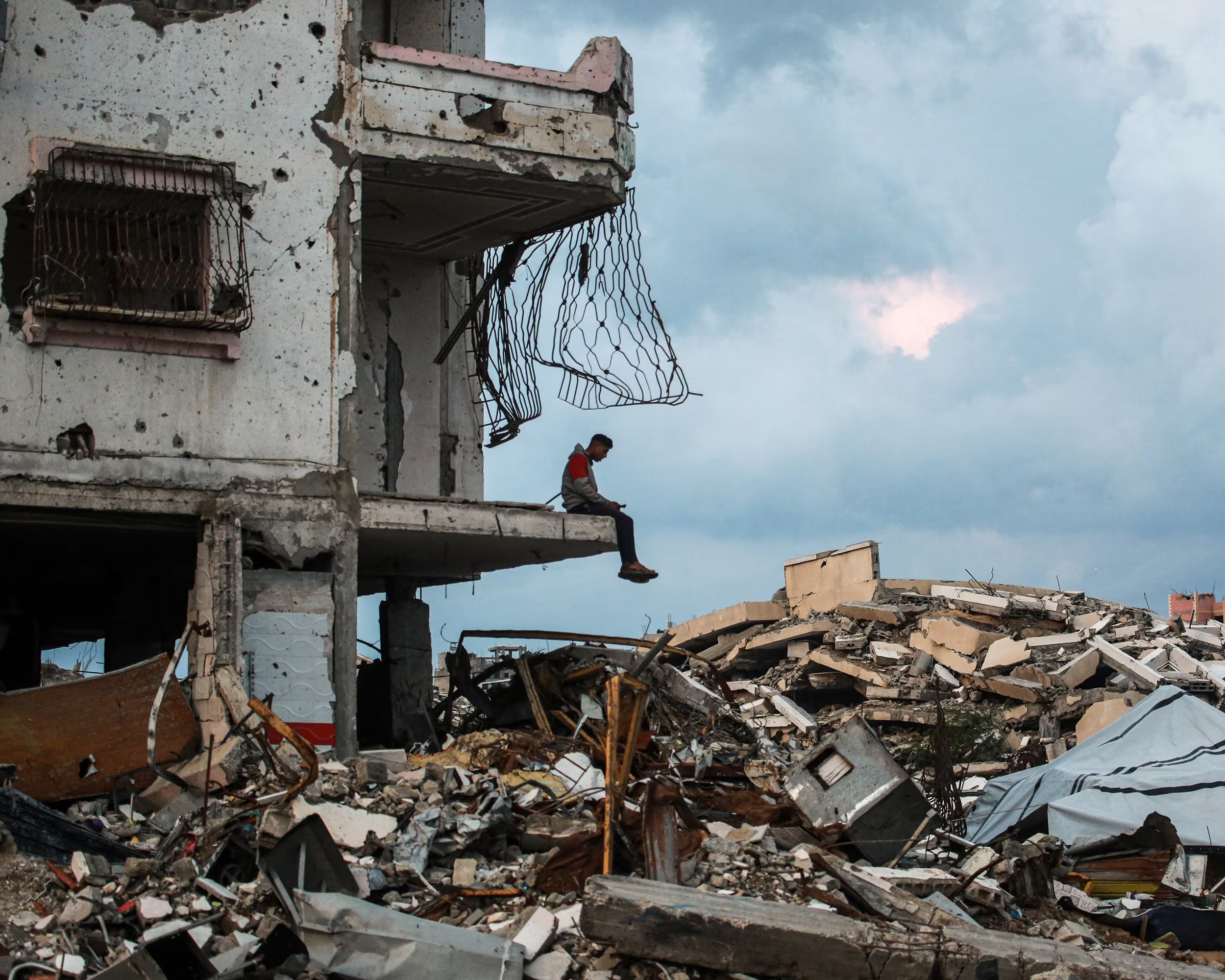
Five months after a ceasefire was declared in Gaza, airstrikes continue to claim civilian lives, while the humanitarian situation remains dire.
Almost nothing remains of prewar life for Palestinians in Gaza. Daily existence has been transformed beyond recognition—it has grown markedly darker and harsher, as though society had been stripped of its own memory.
“Drones never stop buzzing overhead, gunfire and shelling take place almost every day, and naval patrol boats open fire on fishermen,” says 56-year-old Ahmed Baroud, a father of five who fled his home and is now in Deir al-Balah.
Seventeen months have passed since the war began, and despite the ceasefire announced five months ago, airstrikes continue to kill civilians while the humanitarian situation remains critical. According to health authorities, an Israeli airstrike early Sunday morning on the al-Mawasi area west of Khan Younis killed six people and wounded four others.
While the world’s attention is fixed on Iran, daily life in the enclave’s streets and markets unfolds in an atmosphere of fear and lost bearings. People with exhausted faces queue for food and basic necessities amid the ruins of shattered buildings. Murky water runs through camps for the displaced.
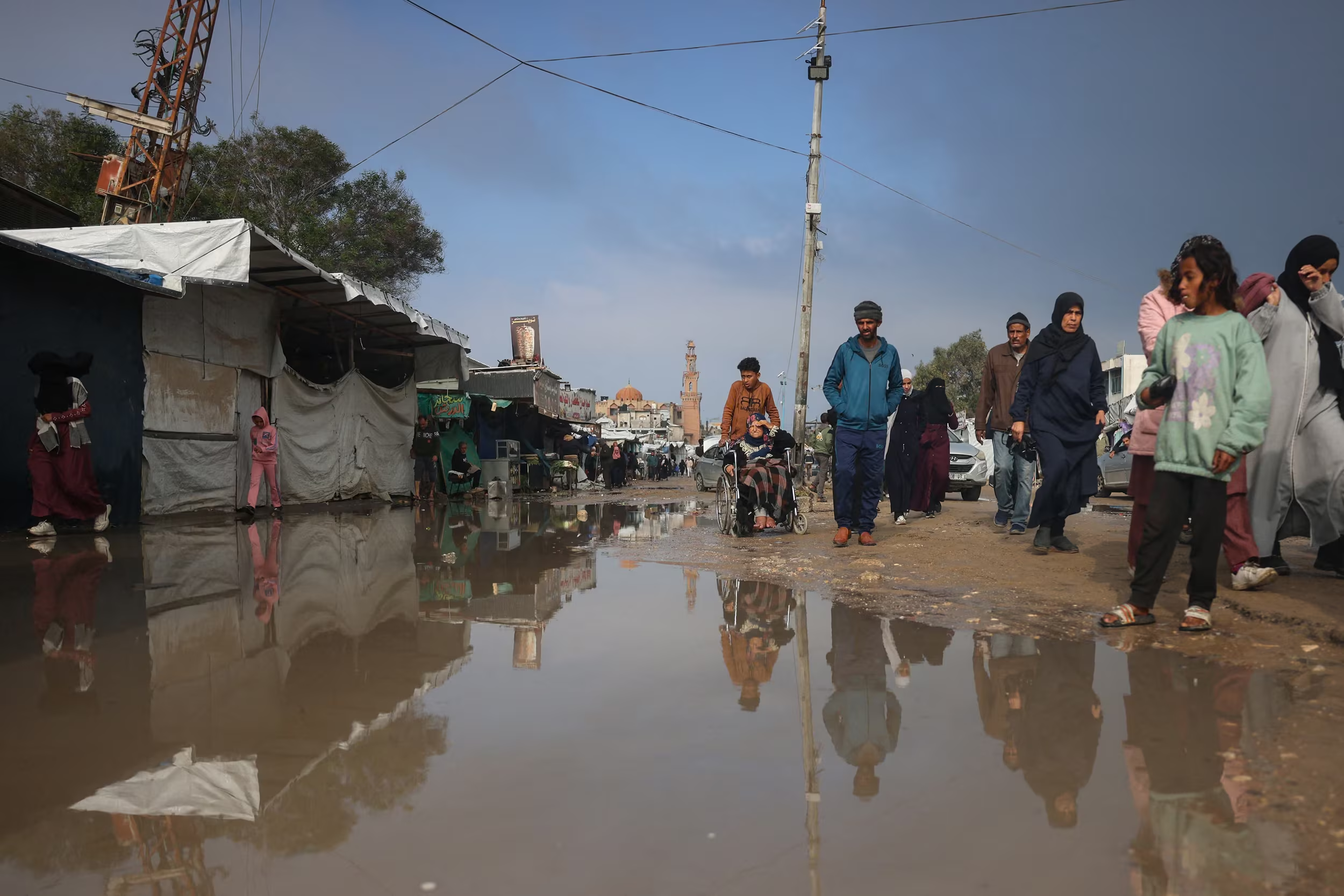
Displaced Palestinians walk along a flooded street after heavy rain in Khan Younis in the southern Gaza Strip.
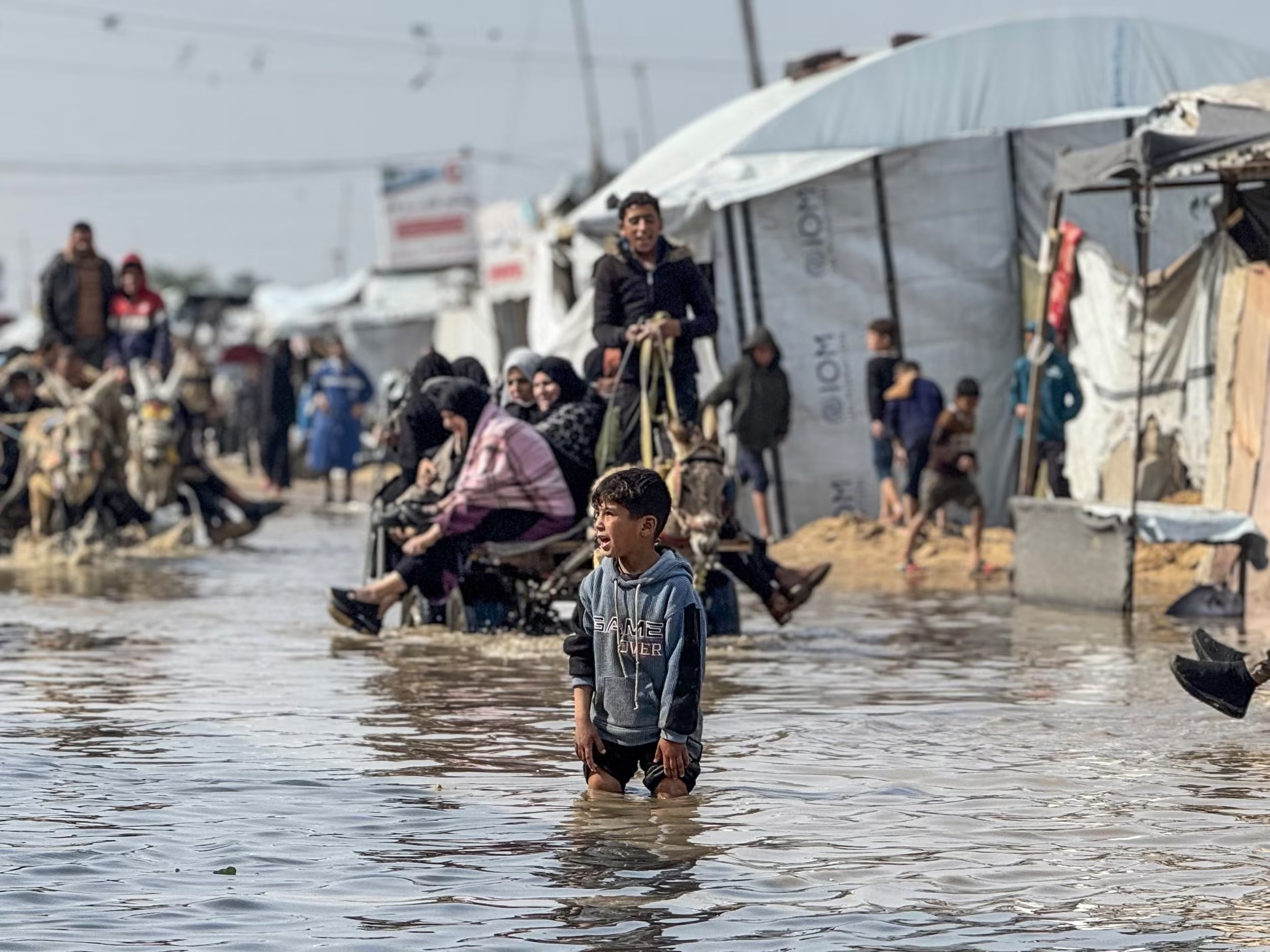
Palestinians try to make their way along a flooded street in the al-Mawasi area of Khan Younis.
“Since the start of the war against Iran, the situation has become even more strained,” Baroud says, echoing a widespread belief that the US-Israeli campaign against Tehran has driven up the prices of food and basic goods once again.
Ibtisam al-Kurdi, who lost both of her sons in the war, says: “We struggle to find firewood for cooking because of the crossing closures and the shortage of gas, which has sent its price sharply higher.”
The 64-year-old woman, originally from Jabalia and now in the Tel al-Hawa area of Gaza, adds: “We can no longer afford vegetables and meat and eat canned food and legumes every day, constantly fearing that hunger may return.
I hope all of this ends completely… that the shelling stops and that our children will no longer live in constant fear of the sound of drones and explosions.”
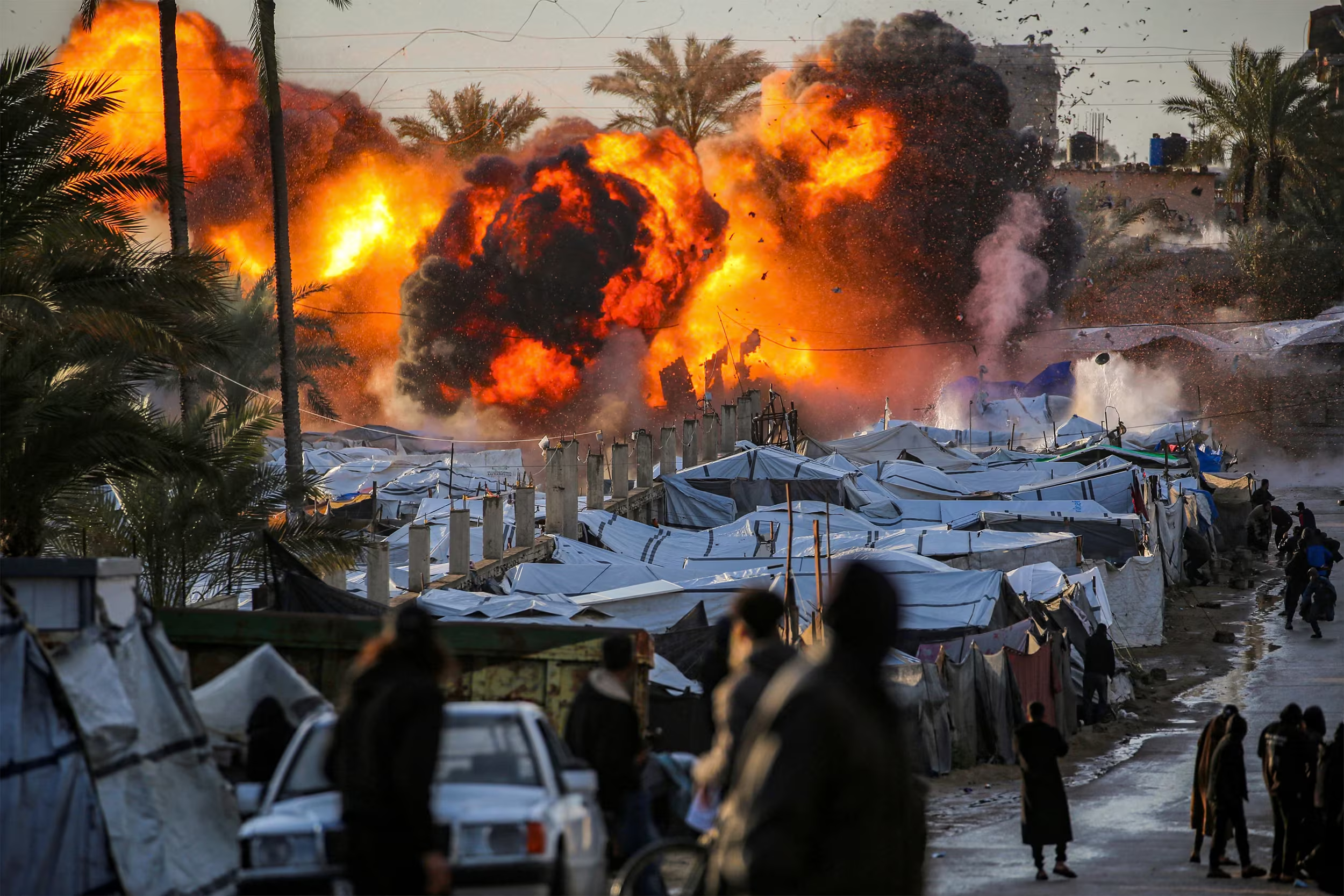
A fiery explosion after an Israeli strike near a tent camp in Deir al-Balah in the central Gaza Strip.
Cold weather and rain have lingered into the spring—in camps for the displaced, water soaks mattresses and floods the floors of sodden tents.
Even everyday conversations have changed. Students’ dreams are no longer about grades or exams—they now think about how to earn enough so their younger brothers and sisters will not have to beg in the streets, or where to find a few liters of clean water to quench their thirst.
In improvised minibuses—trailers attached to SUVs and used as public transport—stories of loss are heard without pause. The road becomes a space for confession: each passenger tells their story, as if trying to prove that their losses were greater.
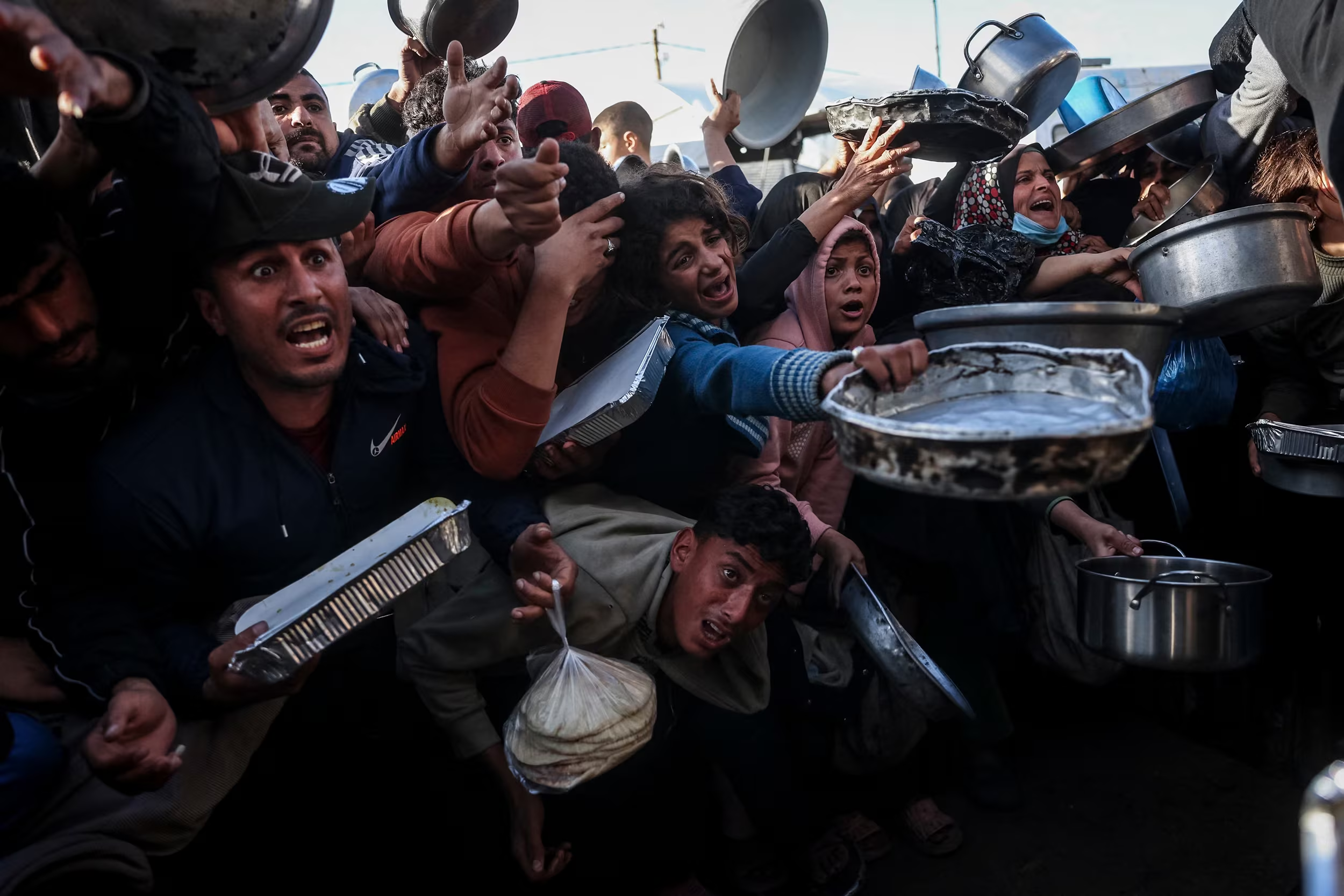
Palestinians wait for food distribution at a feeding point in Khan Younis.
One man recalls how, shortly before the war began, he spent all his money building the house of his dreams. Soon it was destroyed in a bombing, and then he lost his wife and children. Beside him sits a woman who has lost all her children and is trying to raise her young grandchildren. Both radiate an almost unbearable grief.
Ibrahim Kahil, now in Gaza after being displaced, says an already dire situation worsened after the start of US attacks on Iran. “After the war against Iran, food prices jumped sharply, goods began disappearing from the markets, and some prices are still rising,” the 34-year-old says.
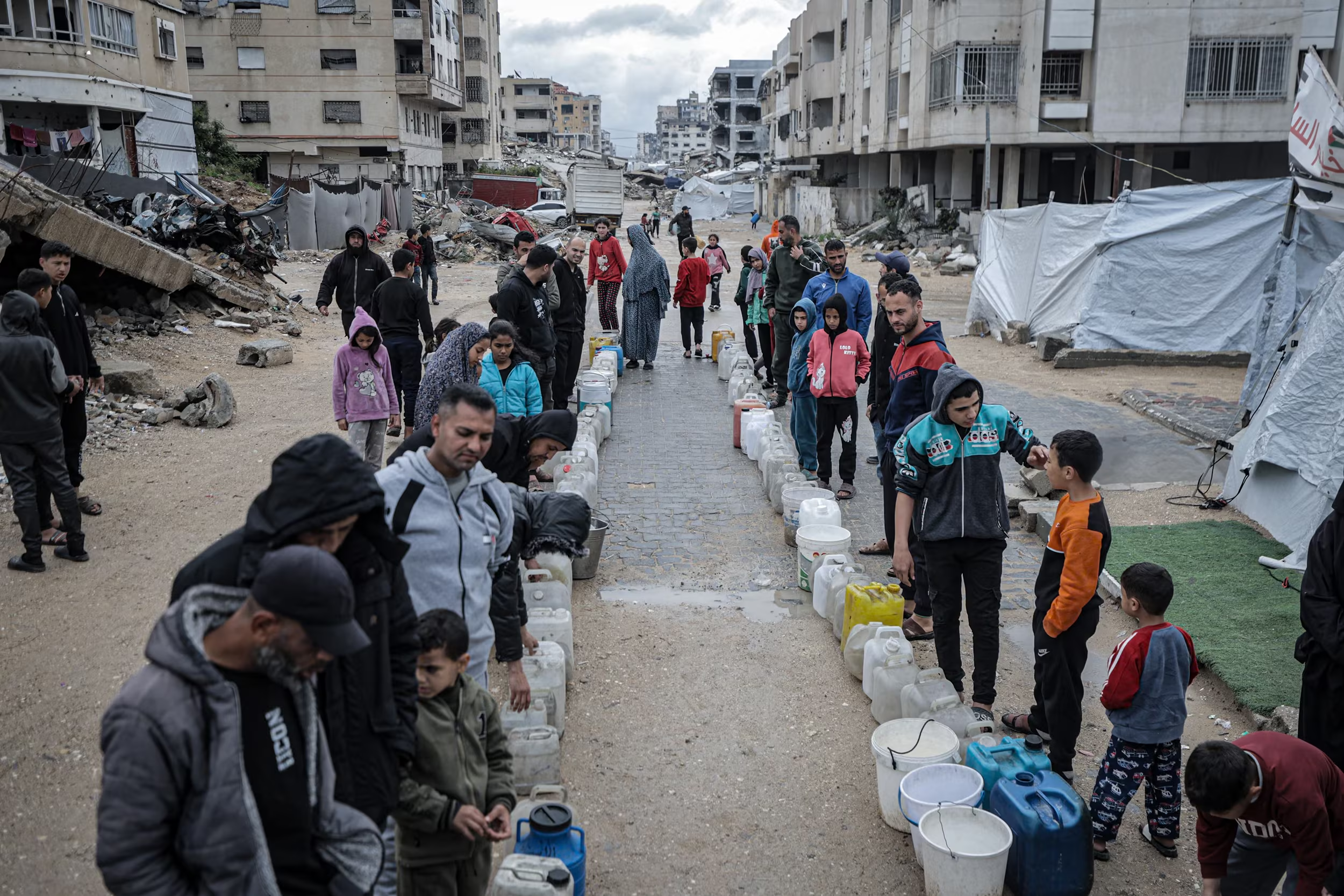
Palestinians stand in line to fill containers with water delivered by tanker trucks.
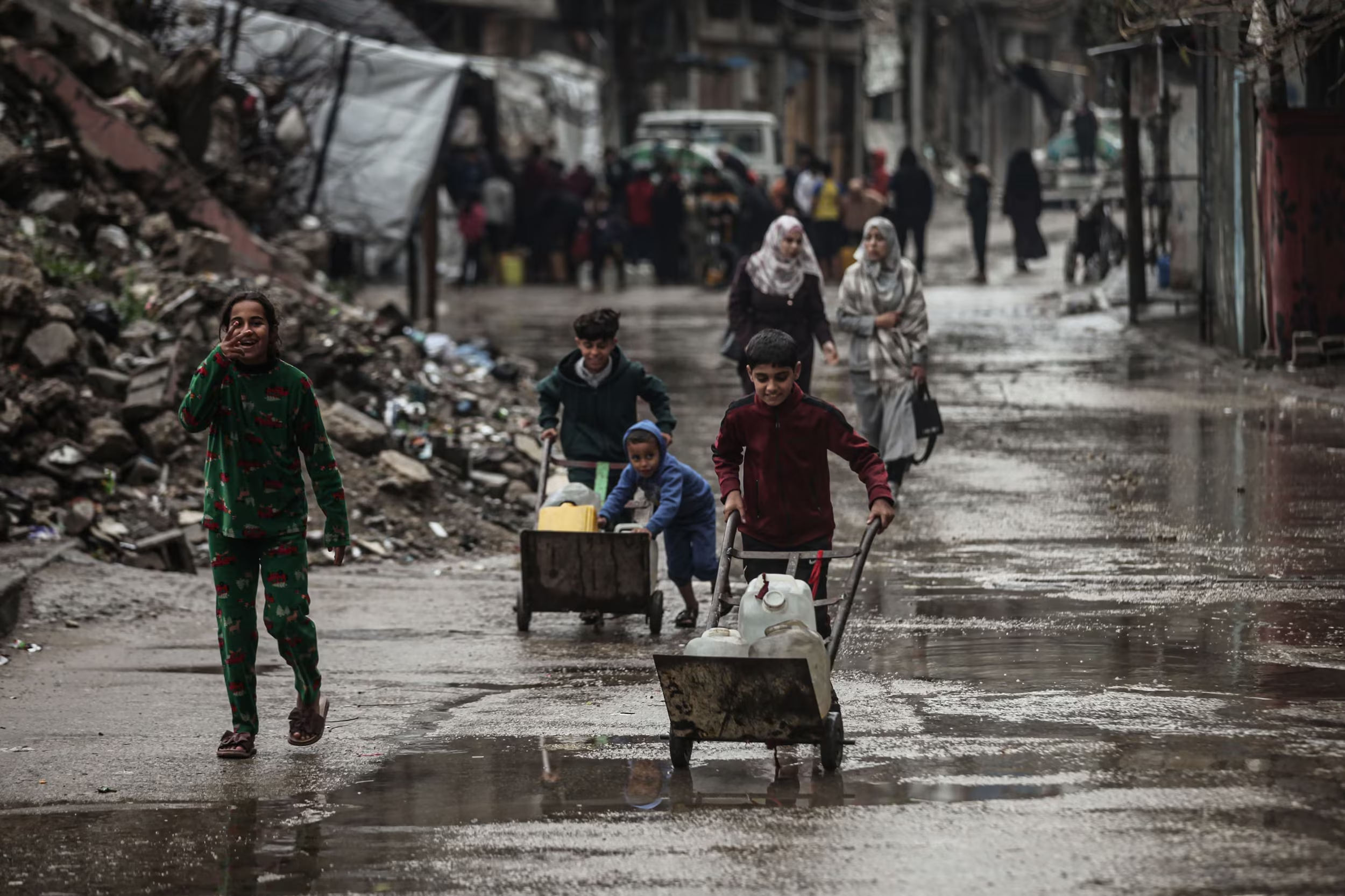
Displaced Palestinians struggle to access drinking water amid rainy weather in Nuseirat.
Since the October ceasefire, more than 680 Palestinians have been killed, including 26 over the past week. Humanitarian organizations say shattered infrastructure and power outages have turned untreated sewage into a growing public health threat.
The UN agency for Palestinian refugees, UNRWA, says Kerem Shalom remains the only functioning commercial crossing, creating a severe bottleneck for aid deliveries.
Kahil says: “Water that used to be available now reaches us only two days a week because of failures in the municipal system. It is often unfit for drinking, but we are forced to drink it anyway.
My mother has cancer, and from time to time we struggle to buy her medication.”
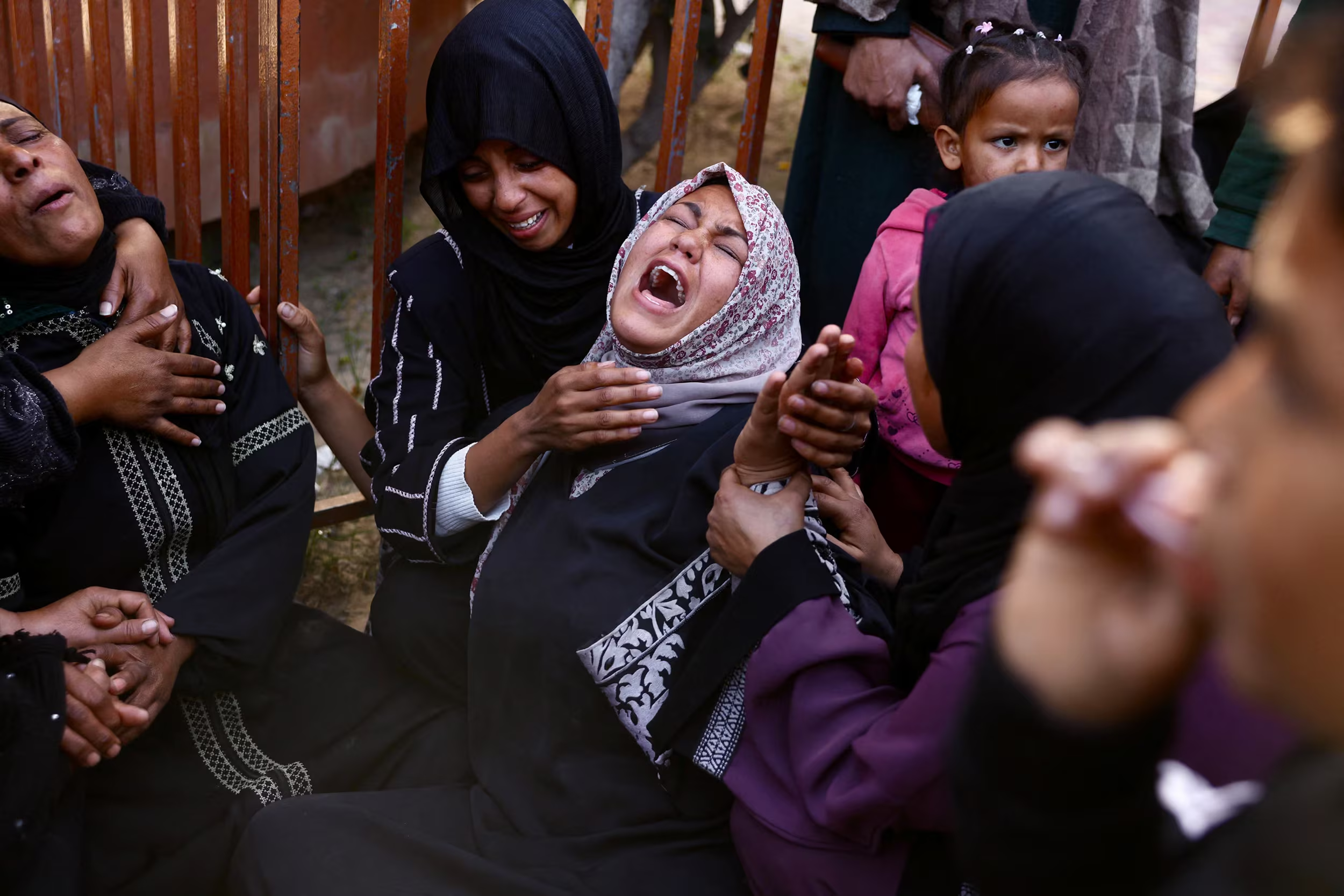
People mourn at the funeral of three-year-old Palestinian child Iyad Ahmed Naim al-Rabayi, who was reportedly killed in an Israeli airstrike, at Nasser Hospital in Khan Younis.
Doctors in Gaza say even basic diagnostic tools, including biopsy needles, are effectively unavailable. Patients arrive with obvious signs of cancer, yet medics have no way to take tissue samples or conduct the tests needed to confirm a diagnosis. As a result, many die without ever receiving either a definitive diagnosis or treatment.
According to the UN, before the Rafah crossing between Gaza and Egypt reopened on March 19—in a limited mode for the movement of people—more than 11,000 cancer patients needed treatment outside the enclave. Gaza’s Health Ministry says more than 20,000 wounded and sick people are awaiting permission to leave for medical care abroad.
COGAT, the Israeli military body responsible for coordinating humanitarian operations in the occupied territories, said: “Since the start of 2025, there has been a significant increase in the number of residents evacuated through Israel for treatment abroad, as well as in the number of dual nationals.”
“The Rafah crossing is open for the departure of patients and their accompanying persons to Egypt. The number of those leaving depends on requests submitted by the World Health Organization and Egypt, which coordinate the arrival of patients from the Gaza Strip at the Rafah crossing.”
The agency also said that, according to “data on the ground,” Gaza is receiving a “significant, steady and uninterrupted flow of aid,” and that “accordingly, the sector has a sufficient supply of food for an extended period.”