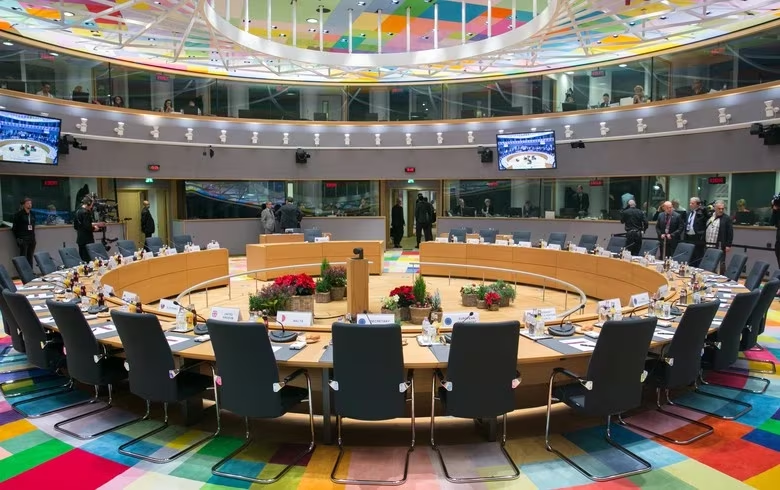
EU ambassadors have agreed on changes to the rules that make the freezing of Russian assets open-ended. As reported by Radio Free Europe correspondent Rikard Jozwiak, extending the sanctions regime no longer requires unanimous approval—qualified majority voting is now sufficient. In his words, this is “a major step toward a potential reparations-based loan for Ukraine.”
Under the new arrangement, individual states will no longer be able to single-handedly block the routine extension of asset freezes, as they have in the past. Hungary has already said it intends to challenge the decision.
The changes are directly linked to EU plans to use frozen Russian assets as the basis for a so-called reparations loan to Ukraine. Slovakia has opposed this initiative. Prime Minister Robert Fico said that such measures, in his view, merely “prolong suffering and killing,” and confirmed that Bratislava intends to block any EU steps in this direction. Slovakia has consistently opposed any form of military support for Kyiv.
The mechanism under consideration in Brussels is designed precisely to circumvent resistance from individual member states: decisions on making the asset freeze open-ended would be taken by a majority vote, stripping Hungary and Slovakia of their veto power. Even so, changing the rules does not by itself unlock the loan. Its launch still hinges on Belgium’s position. As the primary custodian of frozen Russian assets, Belgium’s consent is indispensable if they are to be used as collateral. For now, Brussels has withheld that approval.
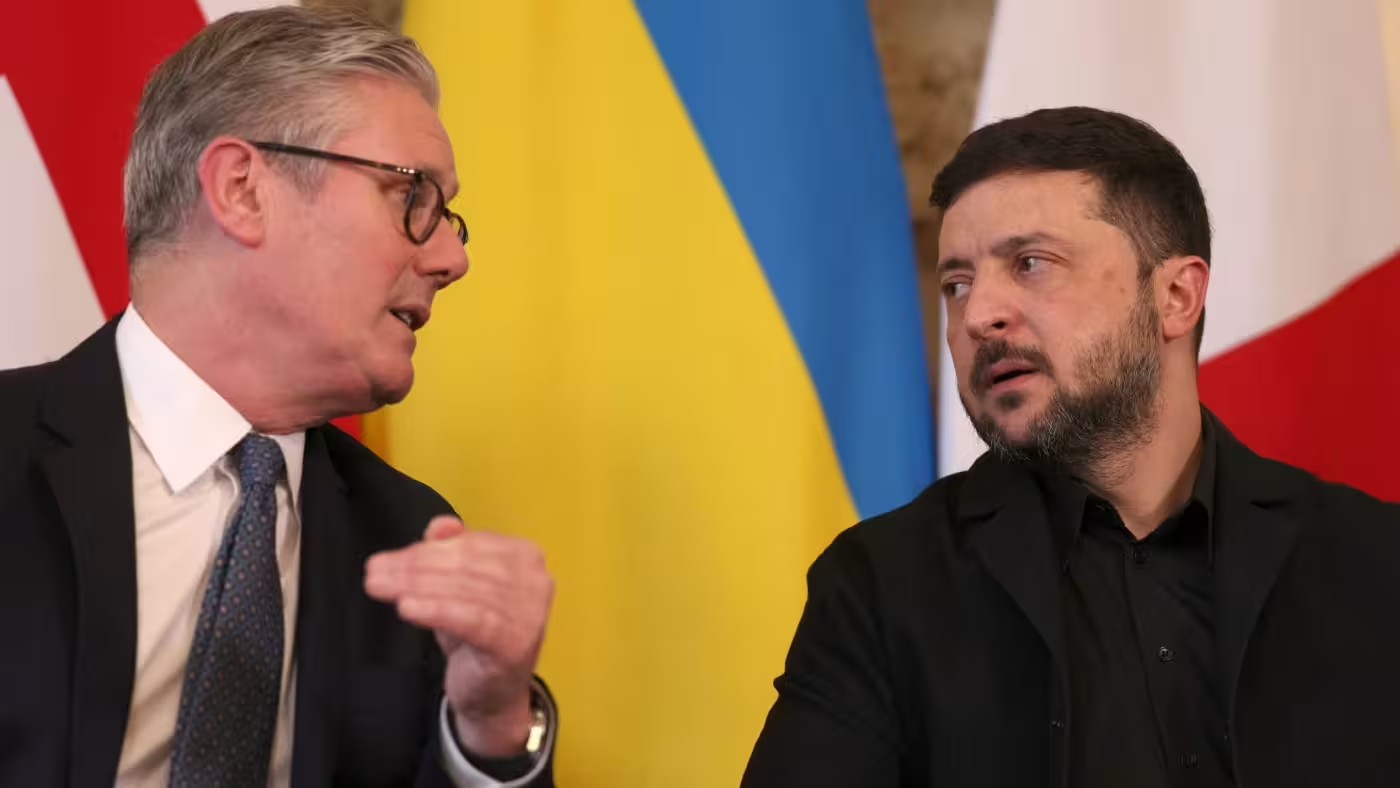
British Banks Join France in Opposing the Use of Frozen Russian Assets to Support Ukraine
Lenders Warn That Without Compensation Guarantees and a Clear Legal Framework Such Measures Create Unacceptable Legal Risks
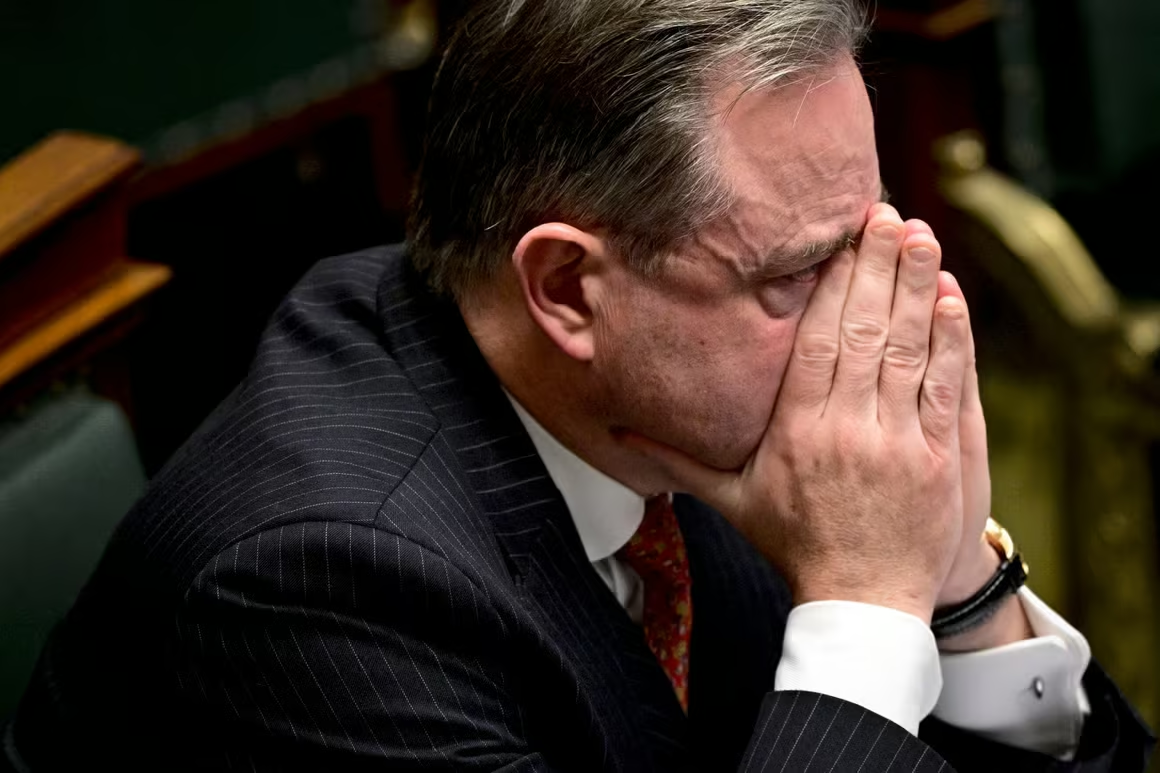
The EU Warns Belgium of Possible Isolation in the Negotiations
Brussels Demands Consent for Using Russian Assets to Support Ukraine’s Budget
An additional constraint remains the stance of the financial sector. Earlier, British banks joined France in opposing the use of frozen Russian assets to support Ukraine. Creditors argue that without clear guarantees of compensation and a robust legal framework, such measures create unacceptable legal risks and could undermine confidence in Europe’s financial system.