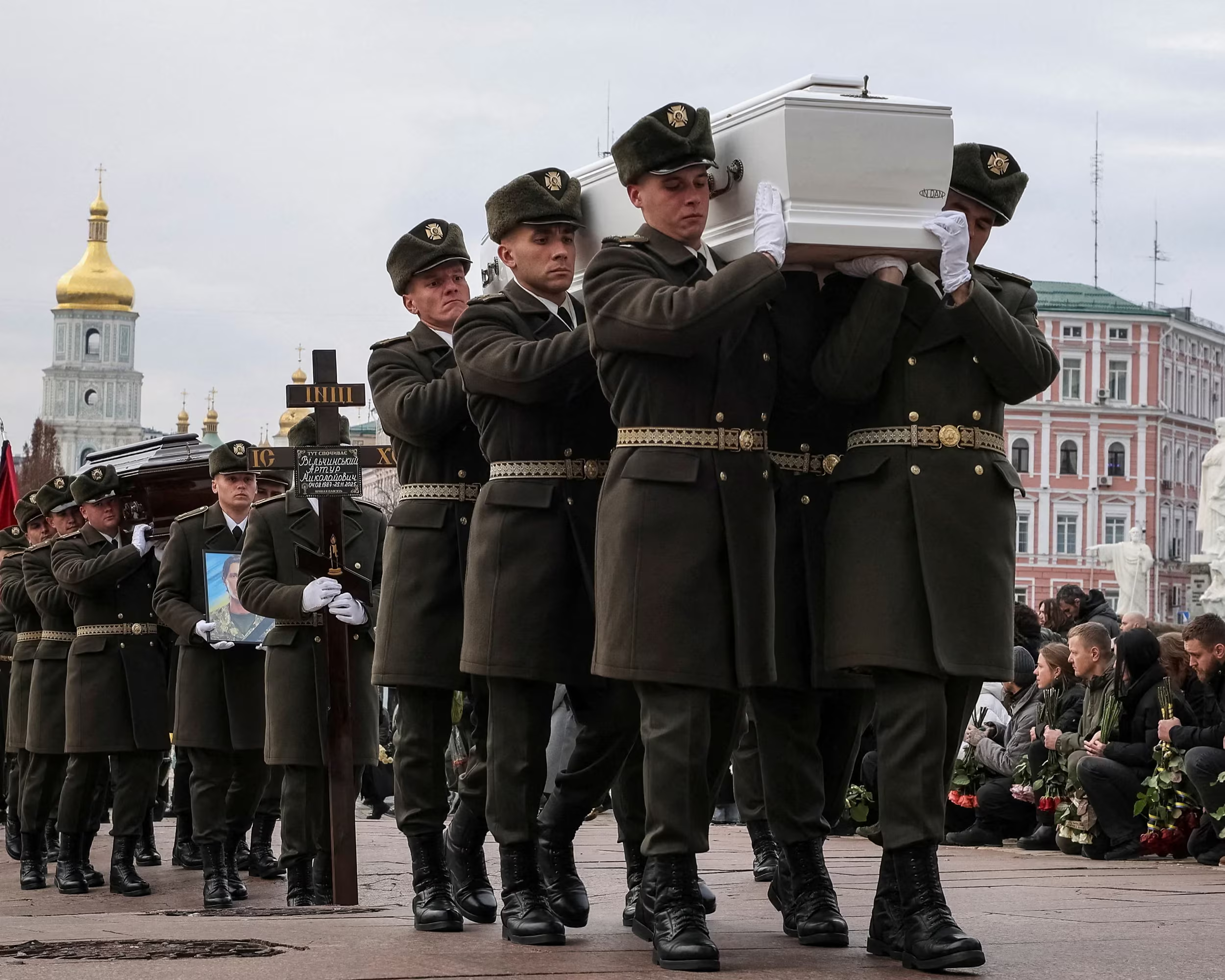
According to one study, by the spring of 2026 the combined losses of Russian and Ukrainian forces—killed, wounded, and missing in action—could approach 2 million people over nearly four years of war, even as Moscow’s invasion shows no signs of abating.
A report by the Washington-based Center for Strategic and International Studies says Russia may have lost around 1.2 million personnel, including up to 325,000 killed. Ukraine’s losses, by the same estimates, amount to nearly 600,000 service members—killed, wounded, or missing in action.
Since the start of Vladimir Putin’s full-scale invasion, neither side has released comprehensive casualty figures, treating the scale of losses as a tightly guarded state secret.
The Kremlin on Wednesday rejected the study’s conclusions, calling them “unreliable” and stressing that only the defense ministry has the authority to disclose casualty data.
The Center’s calculations are based on interviews with Western and Ukrainian officials, as well as data compiled by the independent Russian outlet Mediazona and the BBC Russian Service.
In historical context, the scale of the losses appears extraordinary. Analysts note that the number of Russian soldiers killed on the battlefield in Ukraine is “more than 17 times higher than the USSR’s losses in Afghanistan in the 1980s, 11 times greater than the casualties of the first and second Chechen campaigns, and more than five times the combined losses of all Russian and Soviet wars since World War II.”
According to the report, Russian losses exceed Ukrainian ones by roughly 2.5:1 or 2:1. Even so, these figures paint a bleak picture for Ukraine as well—a country with a far smaller population and markedly more limited capacity to absorb prolonged losses and carry out large-scale mobilization.
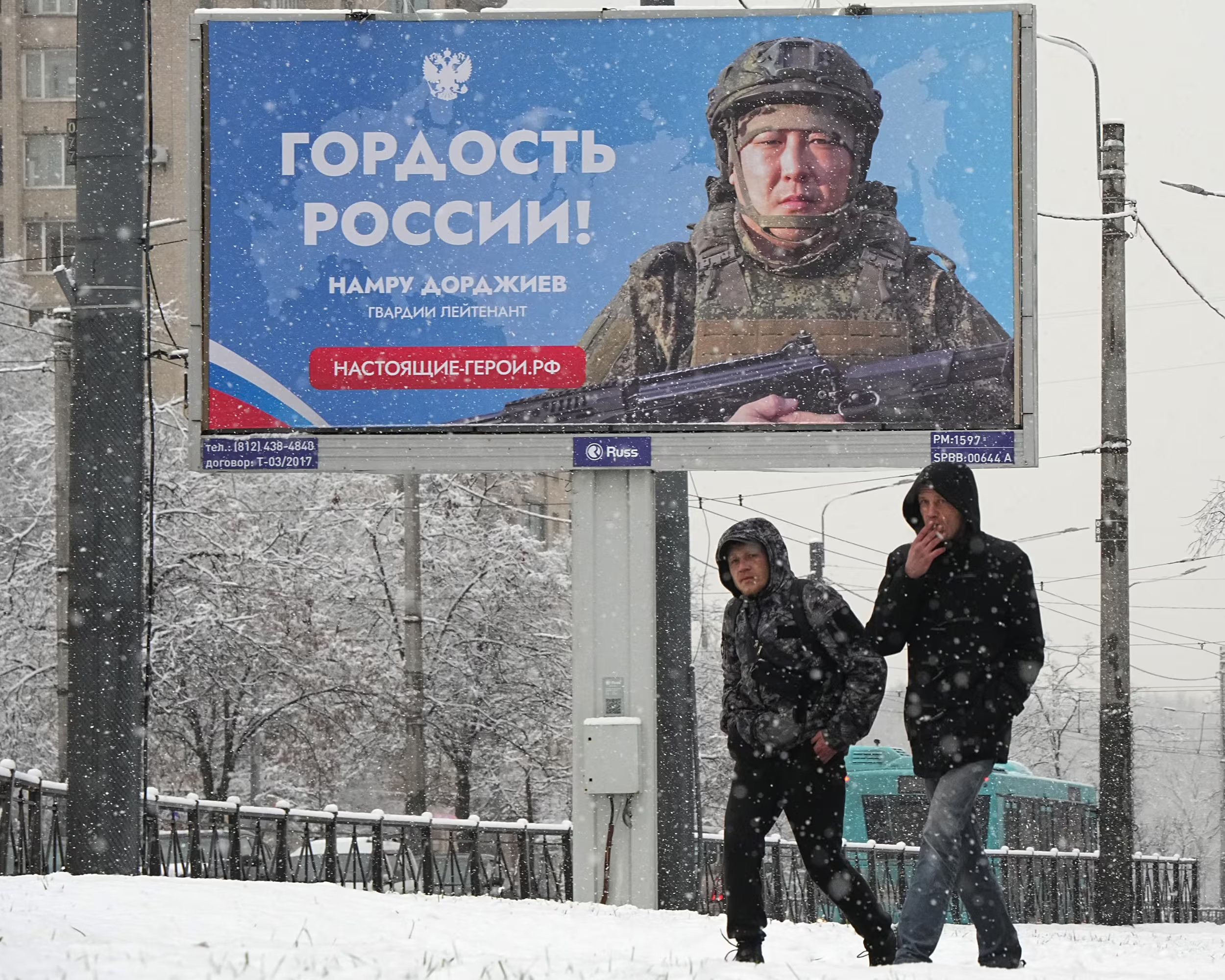
To replenish its ranks, Moscow is relying on generous payouts and expanded benefit packages for new recruits. In the regions, authorities offer one-off signing bonuses that in some cases reach tens of thousands of dollars. In addition, the Kremlin has drawn in thousands of men from Asia, South America, and Africa—many lured by misleading promises or compelled to agree under pressure.
Ukraine, for its part, is struggling to mobilize sufficient numbers of troops to replenish depleted units, while Volodymyr Zelensky has resisted calls to lower the mobilization age below 25—a move that would be deeply unpopular at home.
Despite the scale of losses on both sides, Russia’s territorial gains remain limited. According to CSIS estimates, since 2024 Russian forces, during their most notable offensives, have advanced on average just 15–70 meters per day—“slower than virtually any major offensive campaign in modern warfare.”
Over the past weekend, Russia, Ukraine, and the United States held their first peace talks since the start of the full-scale invasion in Abu Dhabi, but no signs of a breakthrough emerged: the Kremlin continued to press its maximalist demands on Ukrainian territory.