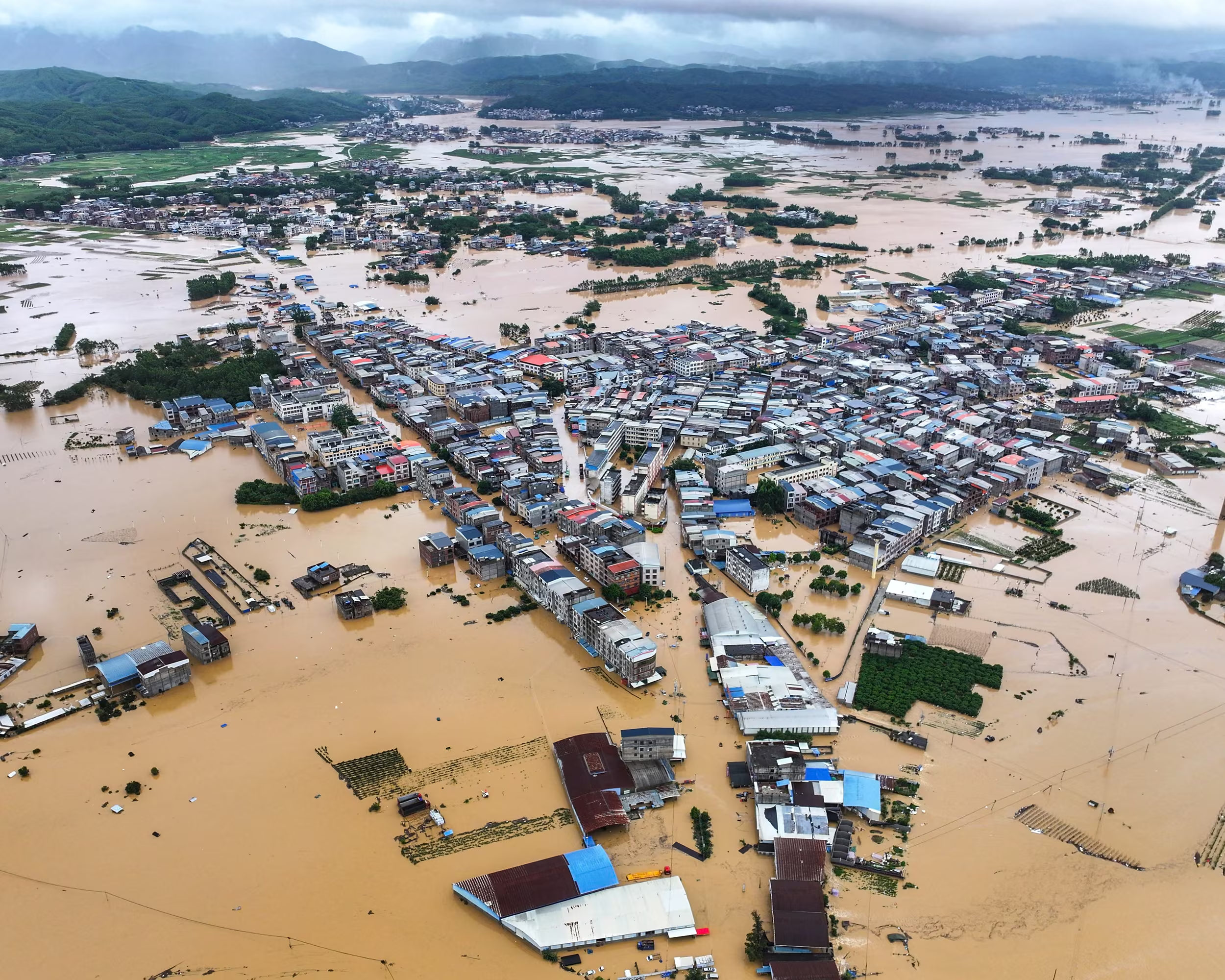
The death toll from devastating storms in China has risen to 15, state media report. Hundreds of people were injured, and tens of thousands were evacuated.
Chinese President Xi Jinping called on rescue services to make “every effort” to help those affected.
In the central province of Hubei, thunderstorms and hurricane-force winds killed at least 11 people, according to Xinhua. Another 331 people were injured. “Severe convective weather” was recorded in several cities in the province, while tornadoes were reported in other areas.
According to Xinhua, 4,800 homes were damaged and another 22 were destroyed.
“This episode of severe convective weather was characterized by a sudden onset and powerful short-term winds,” the agency reported.
In the southern region of Guangxi, heavy rains and flooding caused by Typhoon Maysak killed at least four people. At least 50,000 residents were evacuated, and another eight are listed as missing.
Authorities in Nanning, the capital of Guangxi, raised the flood-response level to the maximum after downpours caused dams to burst.
State media published video showing a torrent of muddy water flowing past collapsed concrete walls of a breached reservoir dam.
On Tuesday morning, a landslide buried a village in the northwestern province of Gansu. Thirty-three people were trapped under the rubble, 17 of whom were rescued, CCTV reported. The cause of the landslide was not specified.
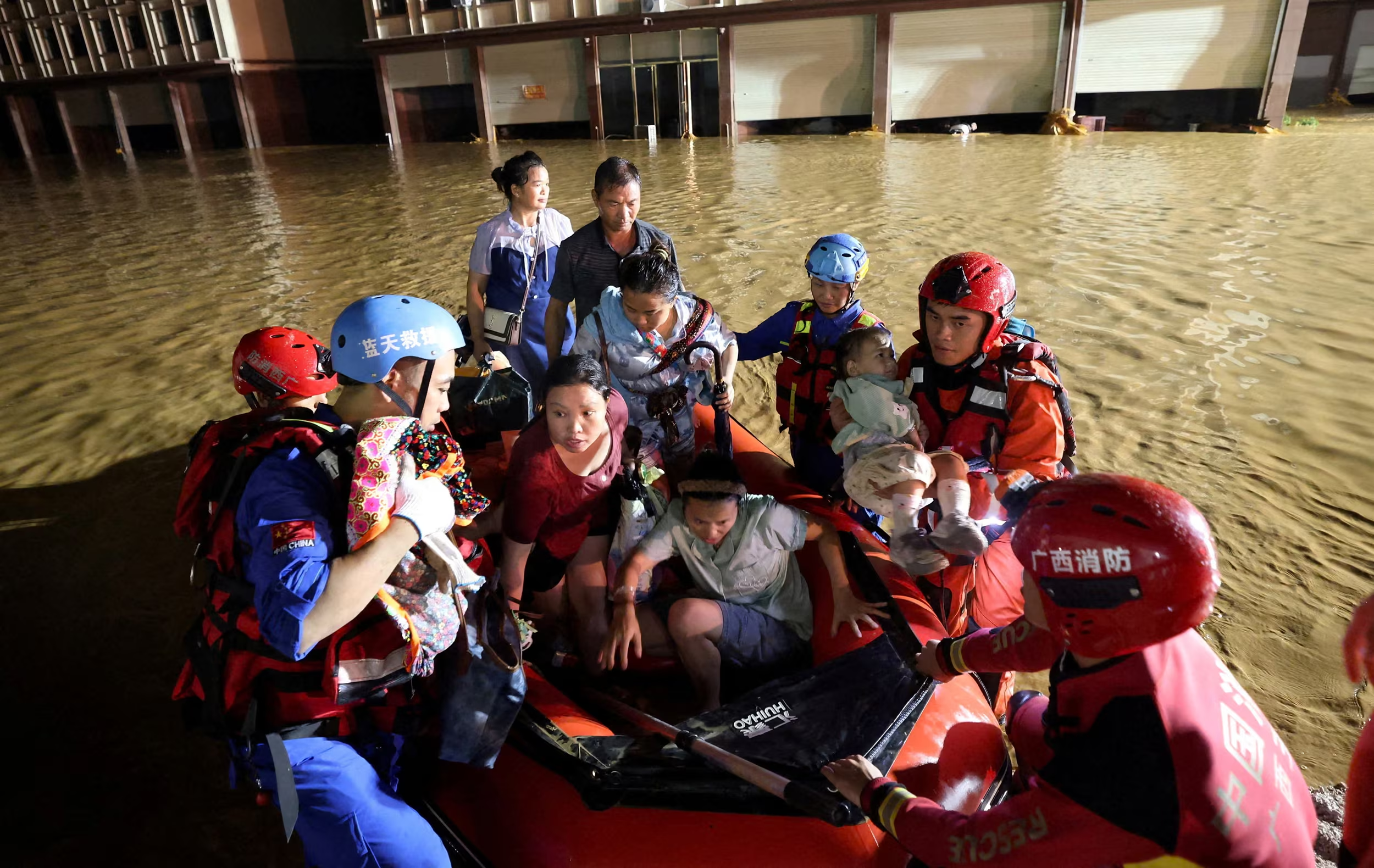
Local authorities said they are continuing to search for people still trapped under the rubble, relocating affected residents, and taking measures to prevent further disasters.
Natural disasters occur regularly in China, especially in summer, when some regions face intense rainfall and others extreme heat. Scientists warn that as the planet warms because of fossil-fuel emissions, extreme weather events will become more frequent and more intense.
In May, at least 22 people were killed in China after heavy rains in the central and southern regions. In some areas, state media said, record rainfall was recorded.