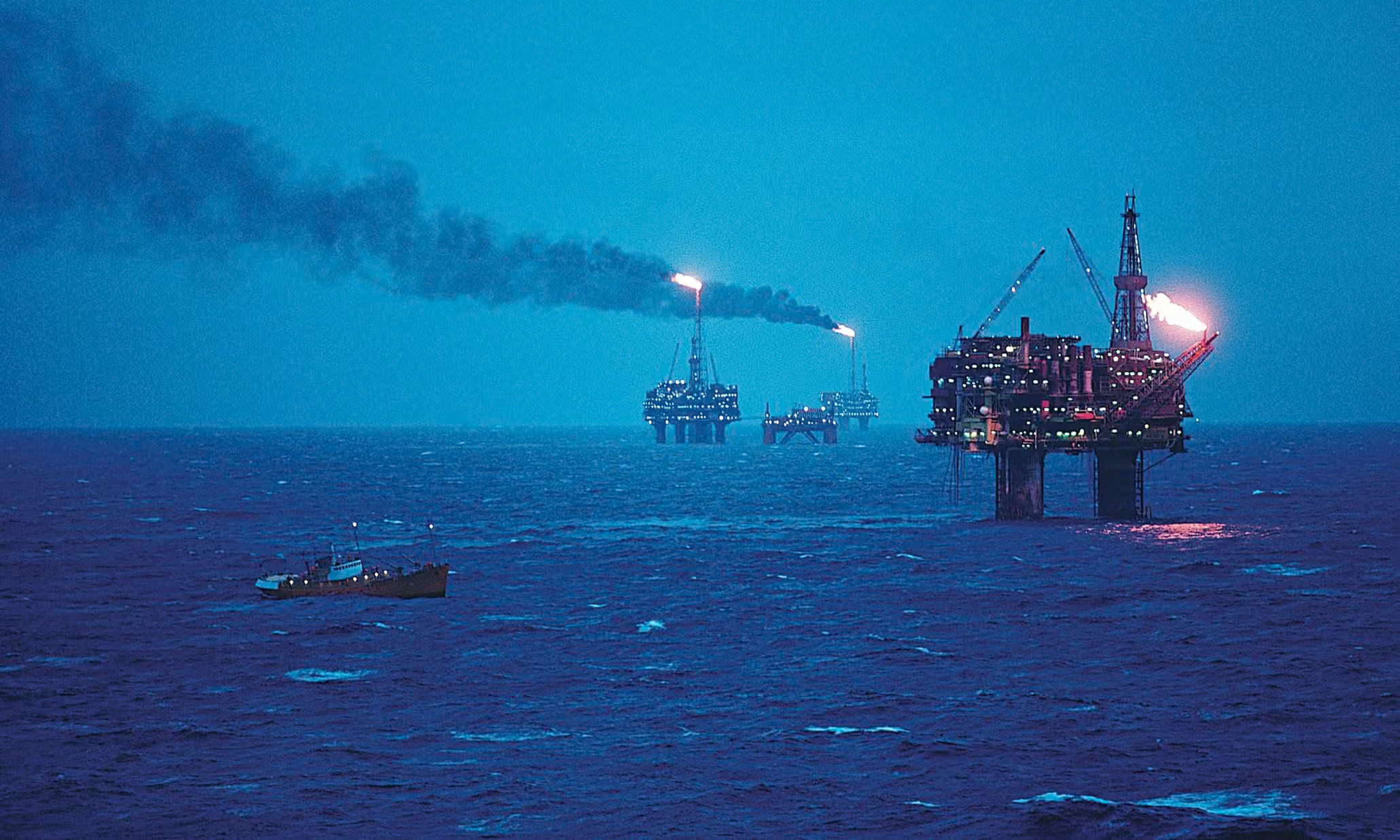
According to traders, on March 1 Brent crude jumped by about 10% and approached the $80-per-barrel mark, Reuters reported. As recently as Friday, February 27, global prices during trading had reached their highest level since July—around $73 per barrel. No futures trading took place over the weekend, with trading set to resume on March 2.
Ajay Parmar, head of energy and refining at ICIS, said the decisive driver of the surge was the effective closure of the Strait of Hormuz, a route through which roughly 20% of global crude oil supplies pass. After Iran warned vessels against transiting the strait, most tanker owners, along with major oil companies and trading houses, suspended shipments of crude oil, refined products, and liquefied natural gas, Reuters sources said.
Analysts surveyed by the agency expect that when trading opens on March 2, oil prices could start in the $90–100-per-barrel range.
The escalation followed the outbreak of war between the United States and Israel on one side and Iran on the other on February 28. Iran’s Islamic Revolutionary Guard Corps said that vessels were barred from transiting the Strait of Hormuz. Iranian authorities, however, made no formal announcement declaring shipping closed. On March 1, Iran’s Foreign Ministry stressed that Tehran had no intention of blocking the strait or obstructing international navigation.
Nevertheless, the world’s largest container shipping company, Maersk, said on March 1 that it was suspending the passage of its cargo vessels through the Strait of Hormuz, citing security concerns.