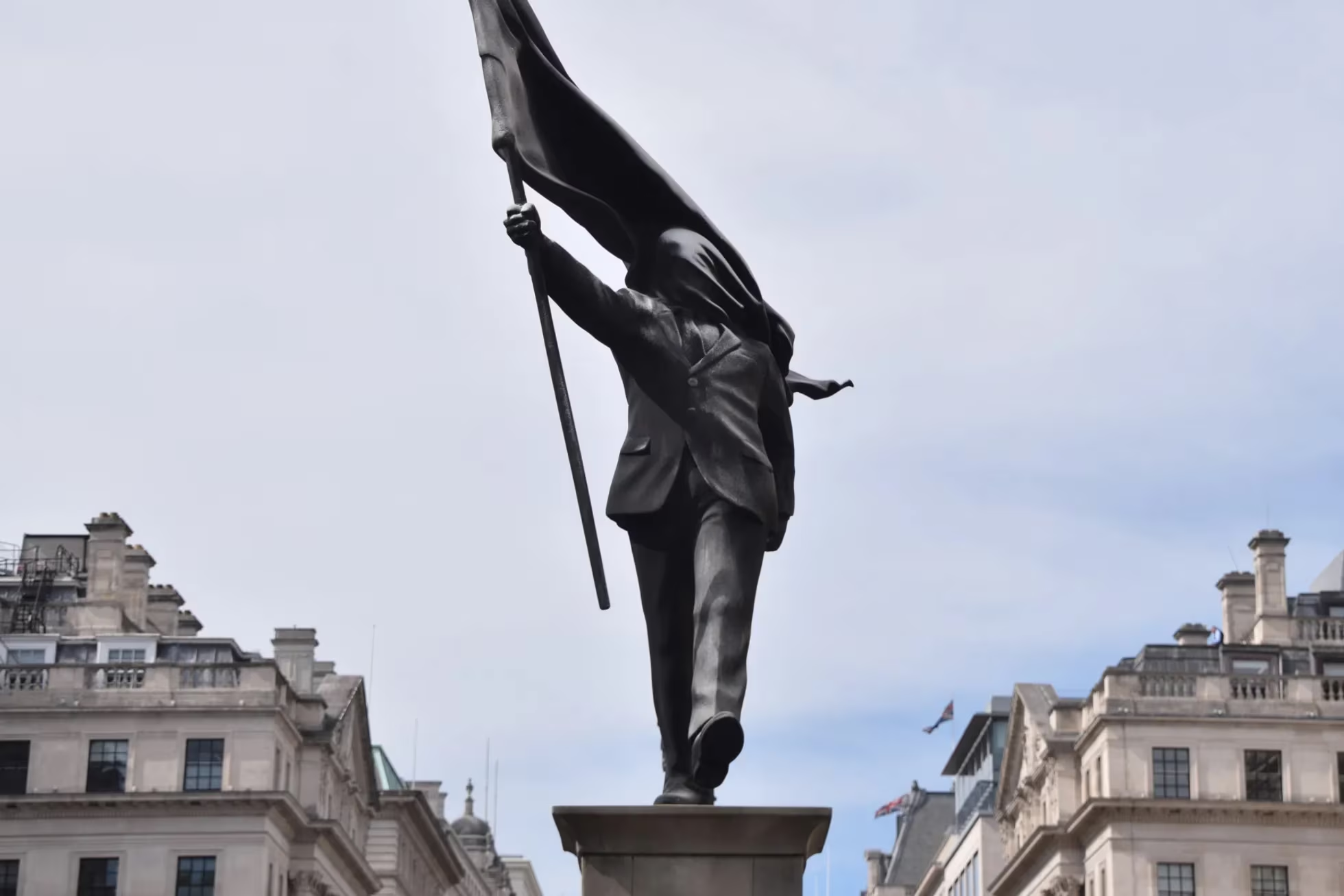
On April 29, a sculpture appeared on a pedestal in Waterloo Square in the historic centre of London: a man in a suit holds a billowing banner that falls over his head and quite literally robs him of his face. The figure steps forward from the pedestal and seems on the verge of tumbling down—because he cannot see the path ahead.
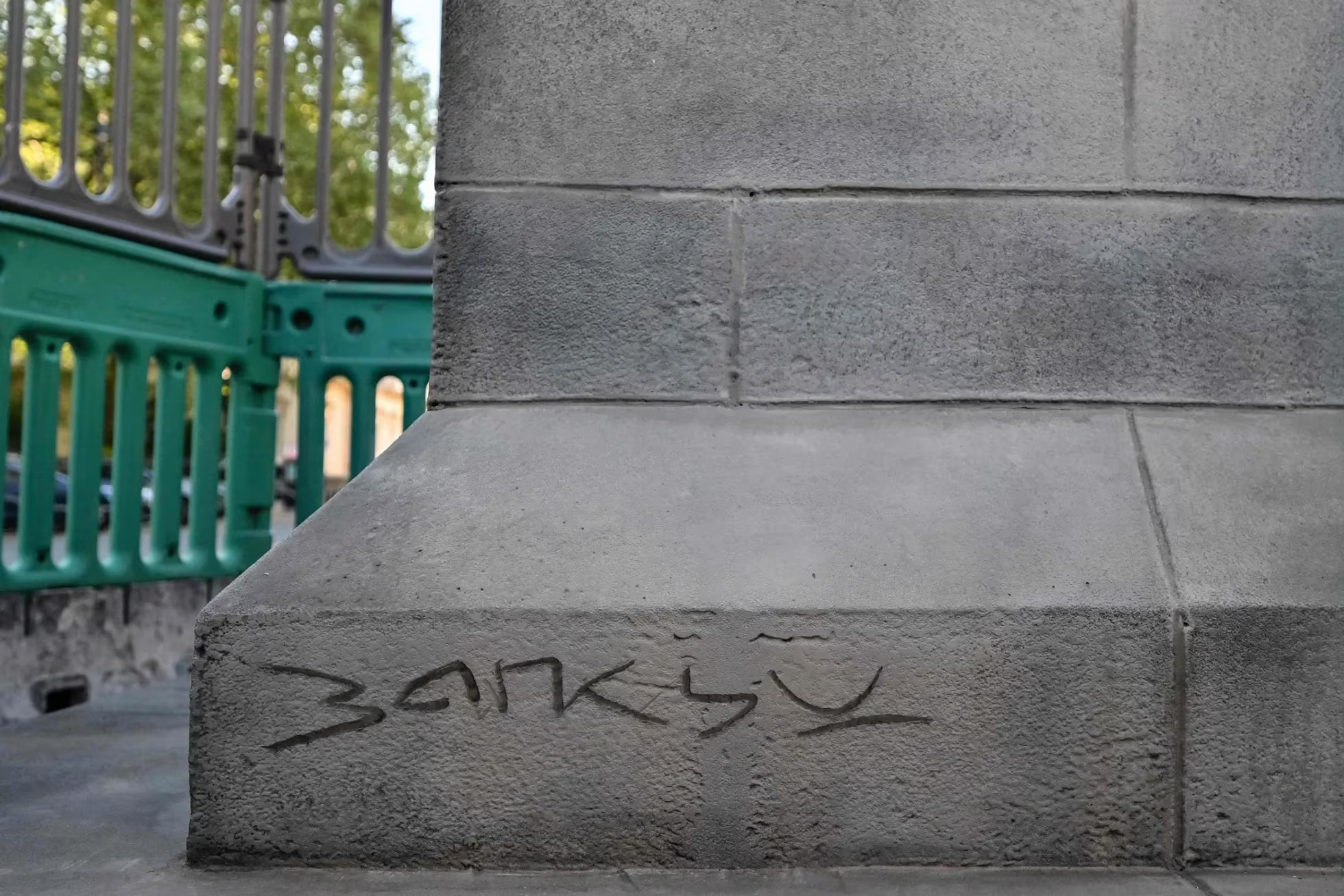
The pedestal bears Banksy’s signature, although the anonymous street artist has not yet confirmed the authorship. Even so, the connection to his earlier work is easy to recognise: political satire has long occupied an important place in Banksy’s art, along with deliberately direct, almost polemical statements.
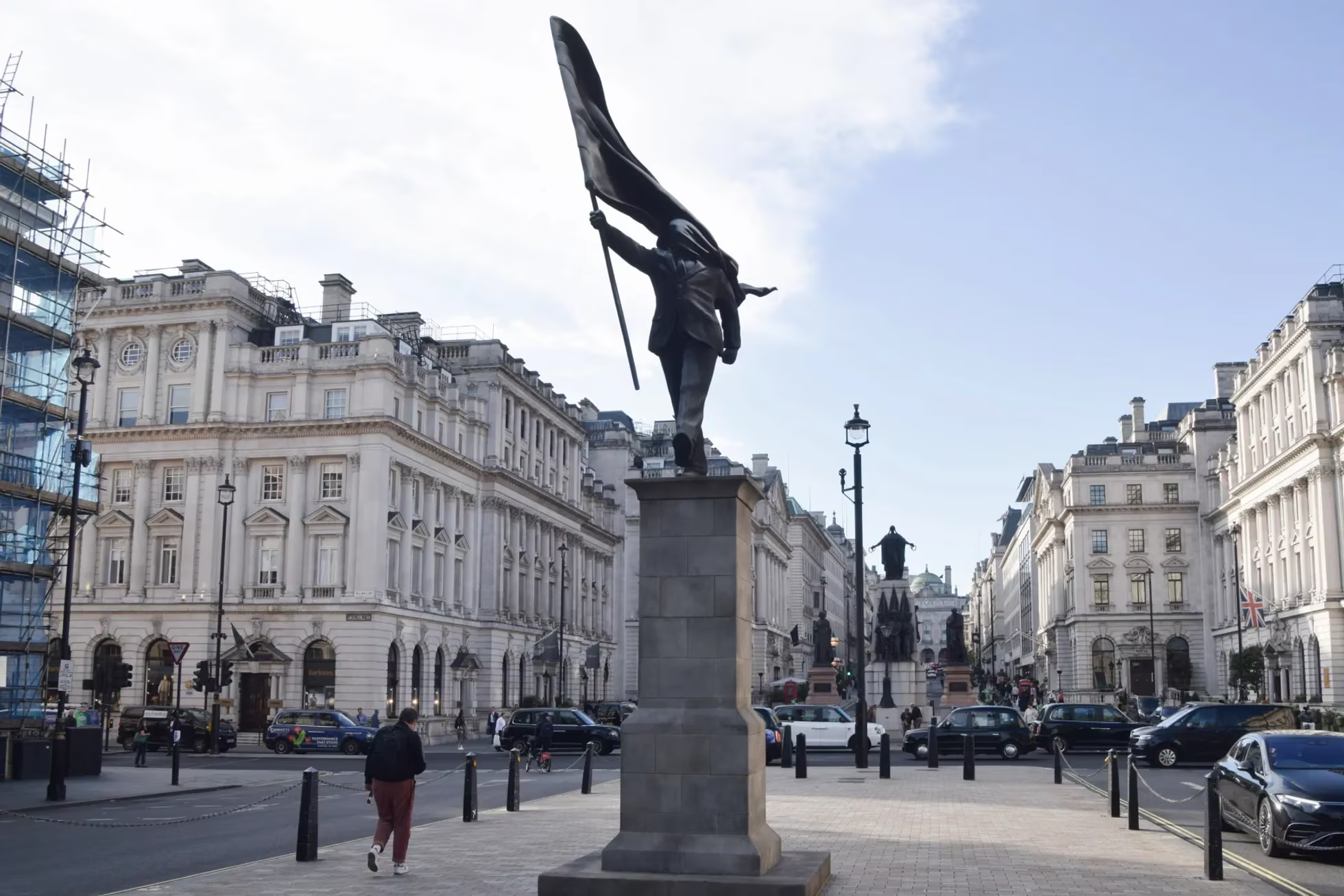
The sculpture is plainly engaging in dialogue with the tradition of state monuments glorifying political and military leaders. There are many such objects in this part of London: Waterloo Square itself, for example, is home to a memorial to the Crimean War, in which the British Empire was among the victors.
Unauthorized sculpture, installed without the approval of city authorities, has in recent years increasingly become a form of political satire. In Washington, for instance, statues mocking Donald Trump appear on a regular basis.
In March, Reuters published an investigation by Simon Gardner, James Pearson, and Blake Morrison into Banksy’s identity. The journalists confirmed the long-standing theory that he was born under the name Robin Gunningham. They also found that in the late 2000s Banksy changed his documents and became David Jones—probably to make identification more difficult, since both the first name and surname are extremely common in Britain.