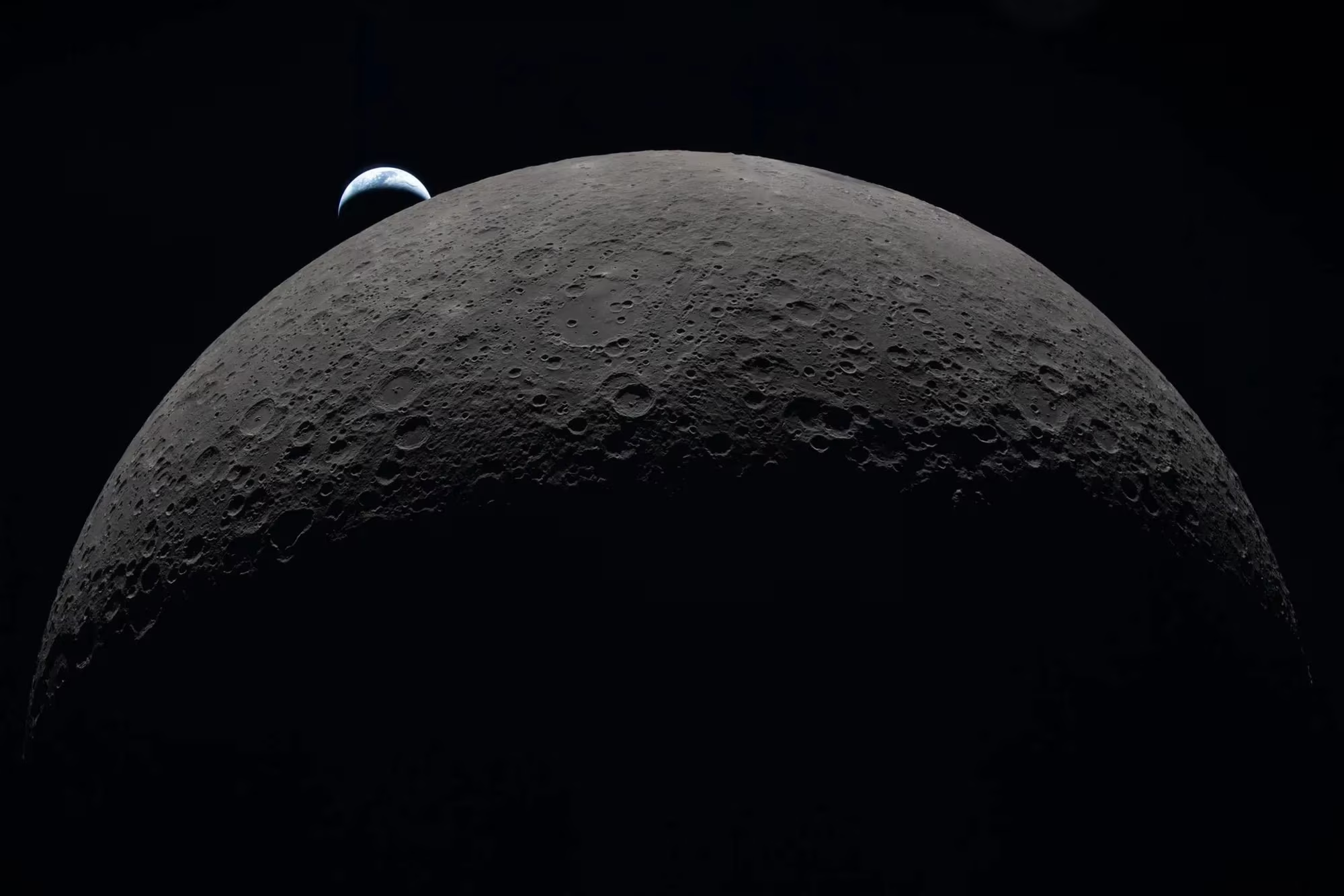
The Artemis II crew has already secured its place in the history books—the astronauts set new distance records from Earth and carried out a series of tasks never before accomplished in a crewed flight during their journey around the moon.
Reid Wiseman, Victor Glover, Christina Koch, and Jeremy Hansen have proved themselves not only as mission crew members, but also as photographers. From a distance of about 252,760 miles from Earth, they are capturing detailed and visually striking images of both our planet and the moon. At the same time, the crew is offering a look at the routines of daily life and work inside the Orion capsule built by Lockheed Martin.
The images have drawn a strong response, with audiences around the world reacting in clear awe. As the White House wrote in a post on X, “The moon eclipsing the sun is a sight few in human history have ever witnessed.”
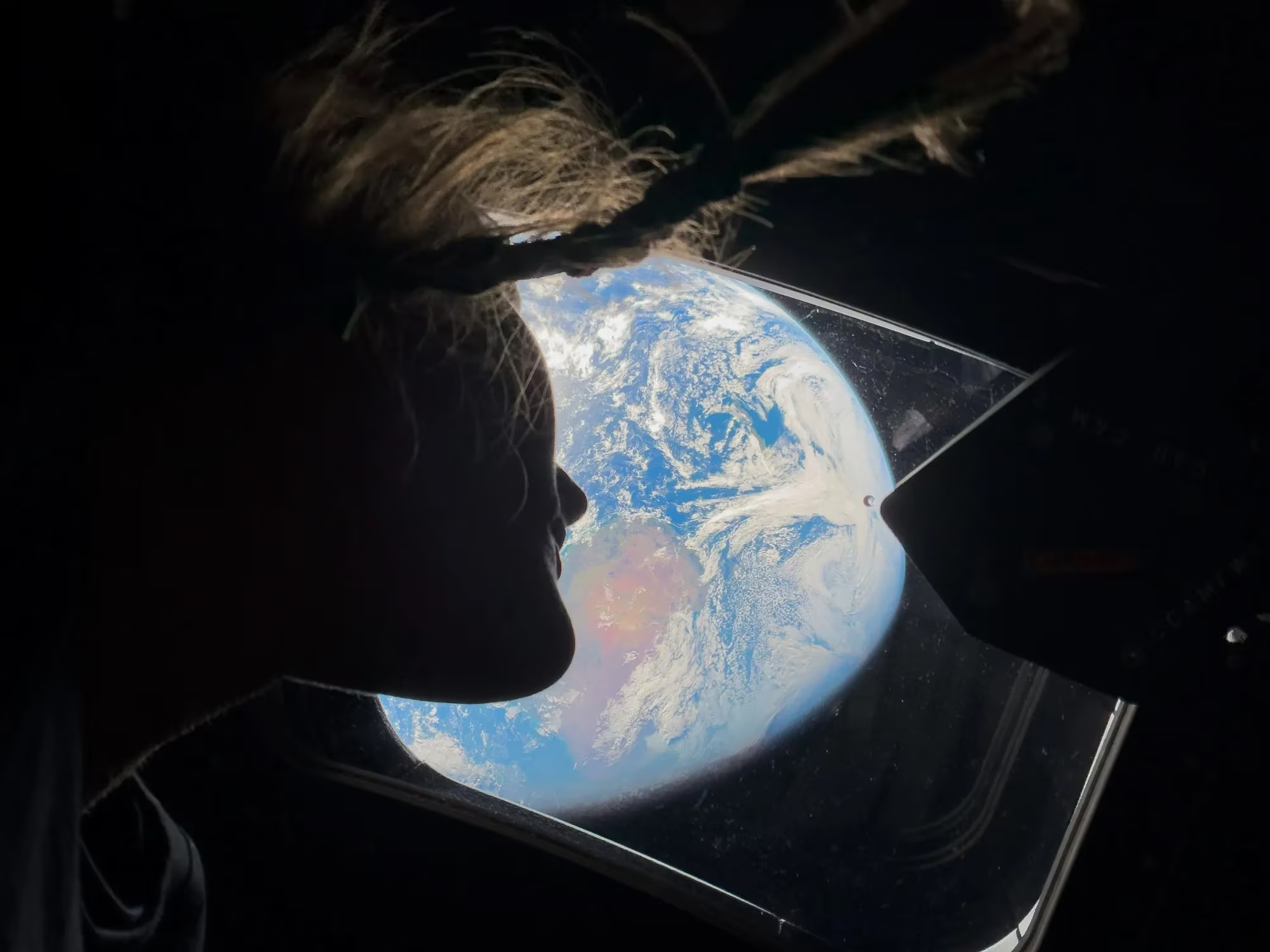
NASA astronaut and Artemis II mission specialist Christina Koch looks at Earth through one of the main cabin windows of the Orion spacecraft during the flight to the moon. April 4, 2026.
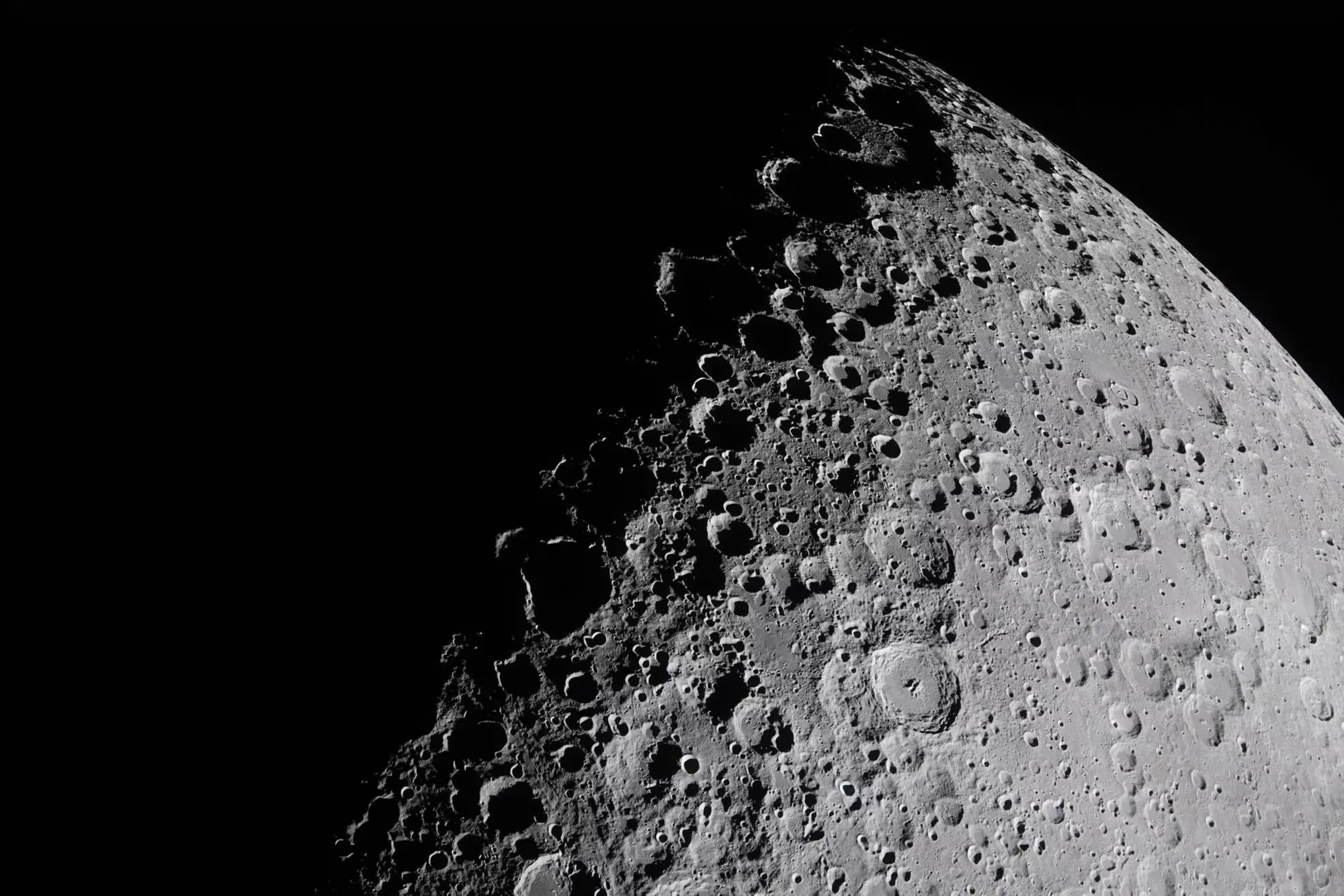
The Artemis II crew captures part of the moon emerging along the terminator—the boundary between lunar day and night, where sunlight striking at a low angle casts long shadows across the surface. The image was taken about three hours into the crew’s lunar observation period as they flew around the far side of the moon on the sixth day of the mission.
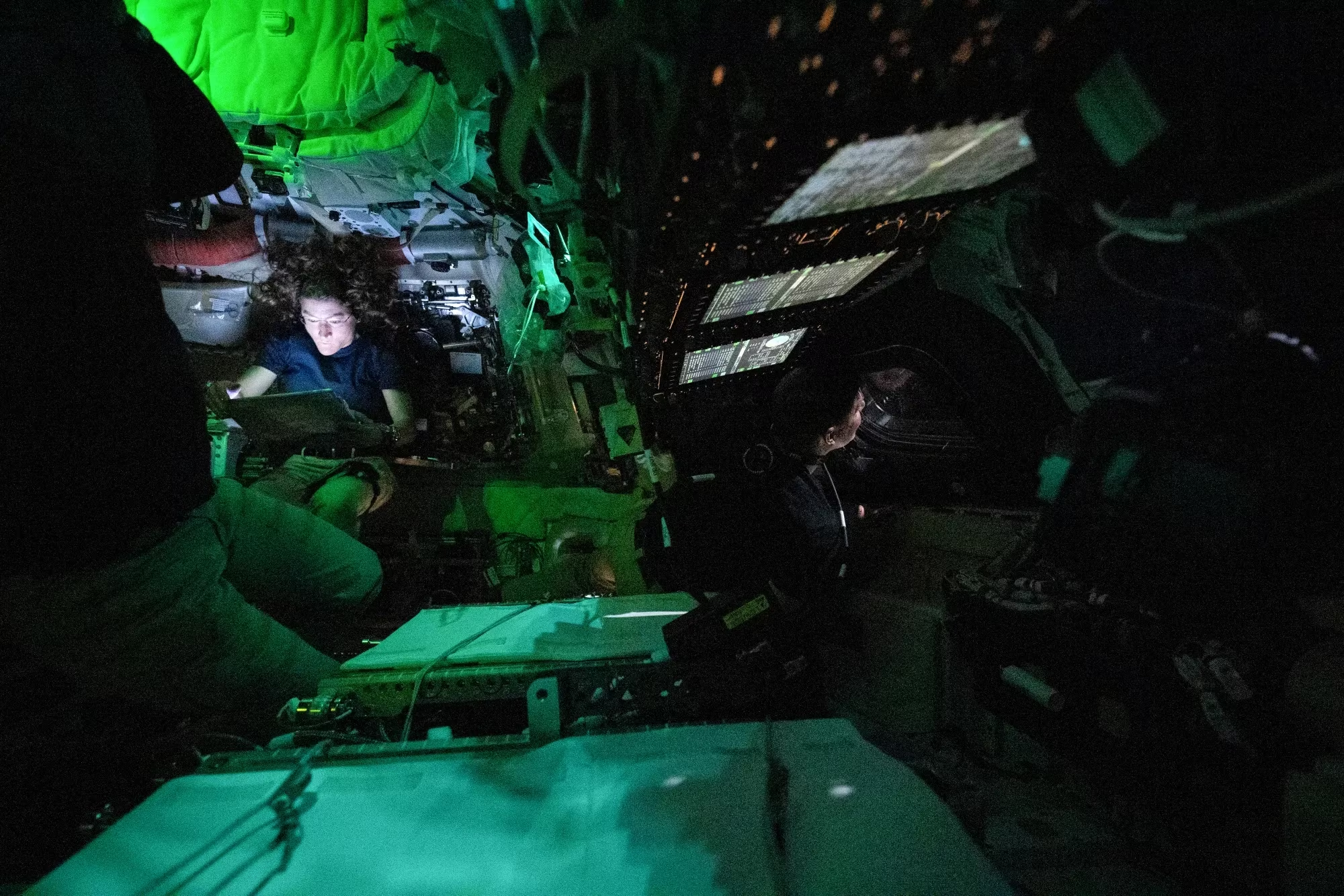
NASA astronaut Christina Koch, left, is illuminated by a screen inside the darkened Orion spacecraft, while Canadian Space Agency astronaut Jeremy Hansen is seen in profile looking out one of the spacecraft’s windows. April 3, the third day of the Artemis II mission.
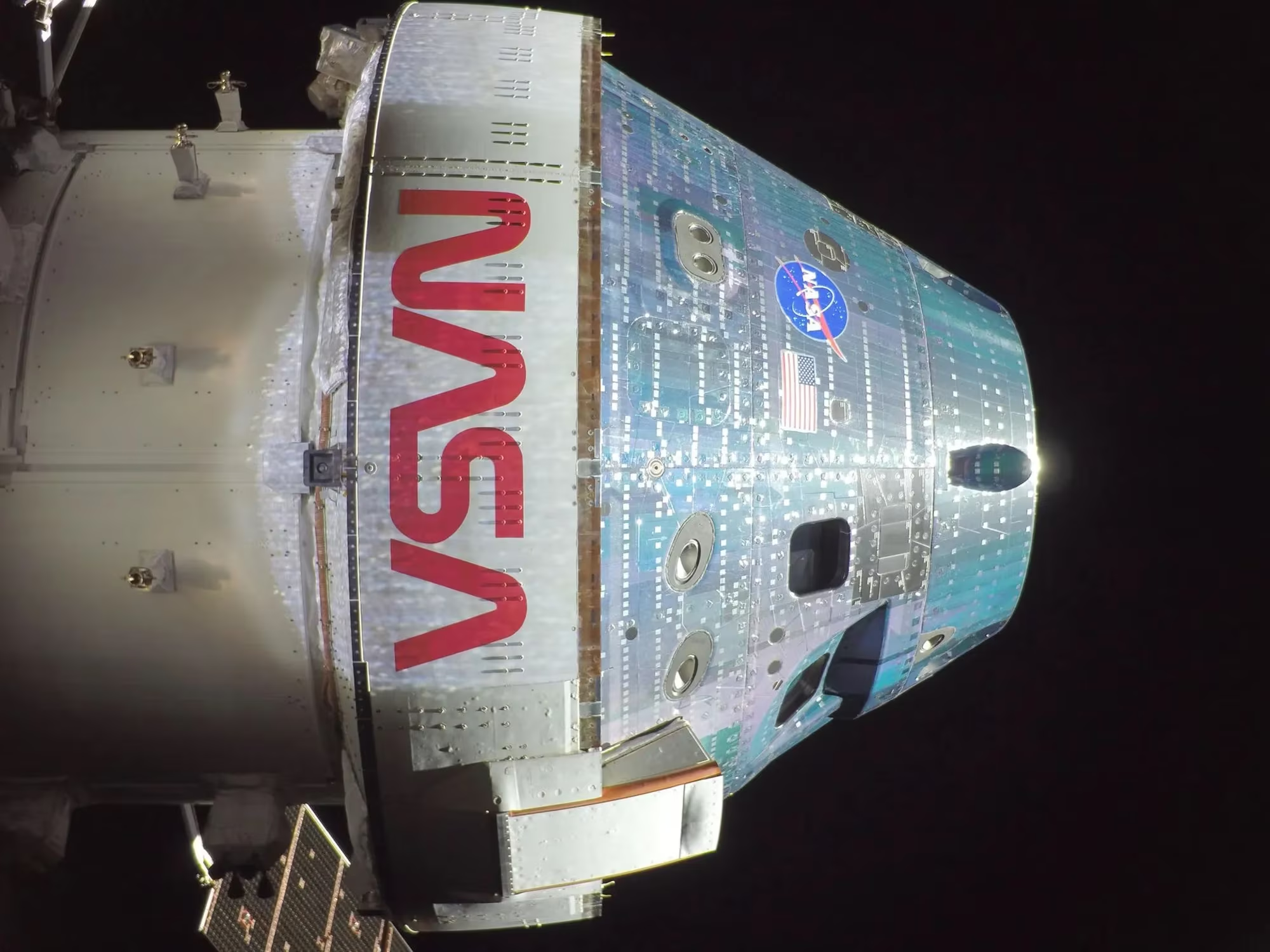
The Orion spacecraft took this highly detailed selfie in space using a camera mounted on one of its solar array wings during a routine external inspection on the second day of the Artemis II mission.
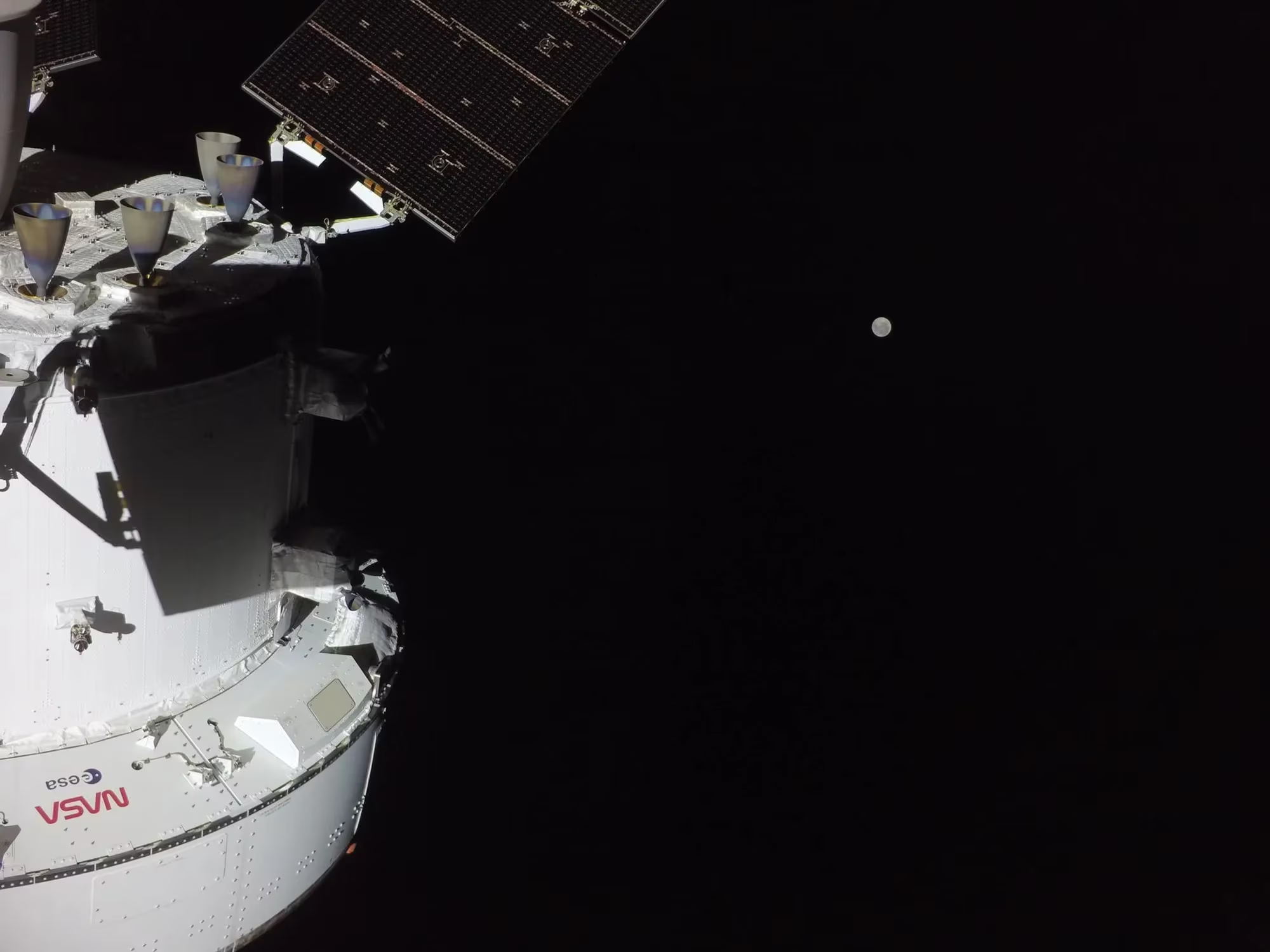
The Orion spacecraft with the moon in the distance, captured by a camera mounted at the tip of one of its solar array wings.
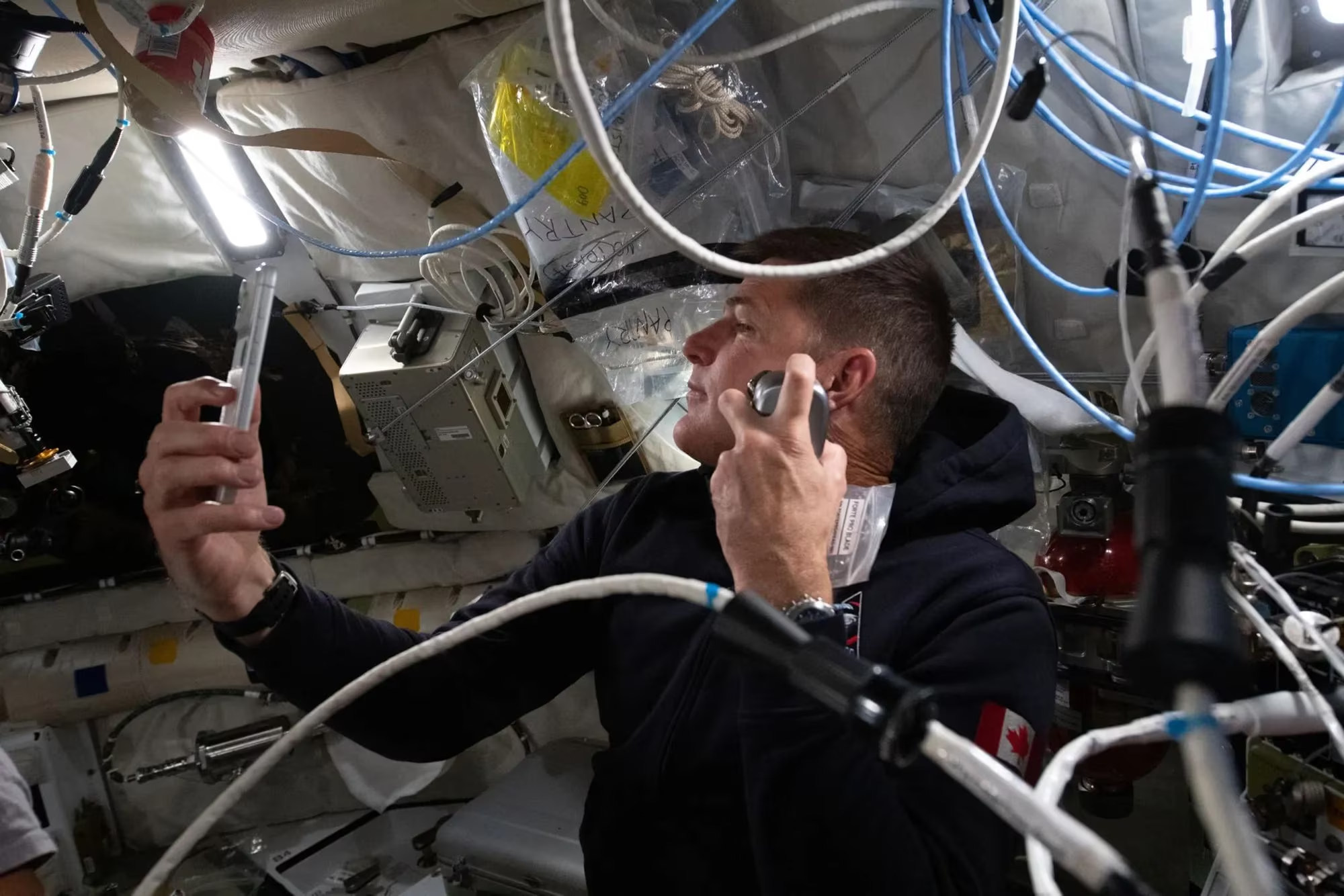
Artemis II mission specialist and Canadian Space Agency astronaut Jeremy Hansen shaves inside the Orion spacecraft ahead of the lunar flyby. April 6.
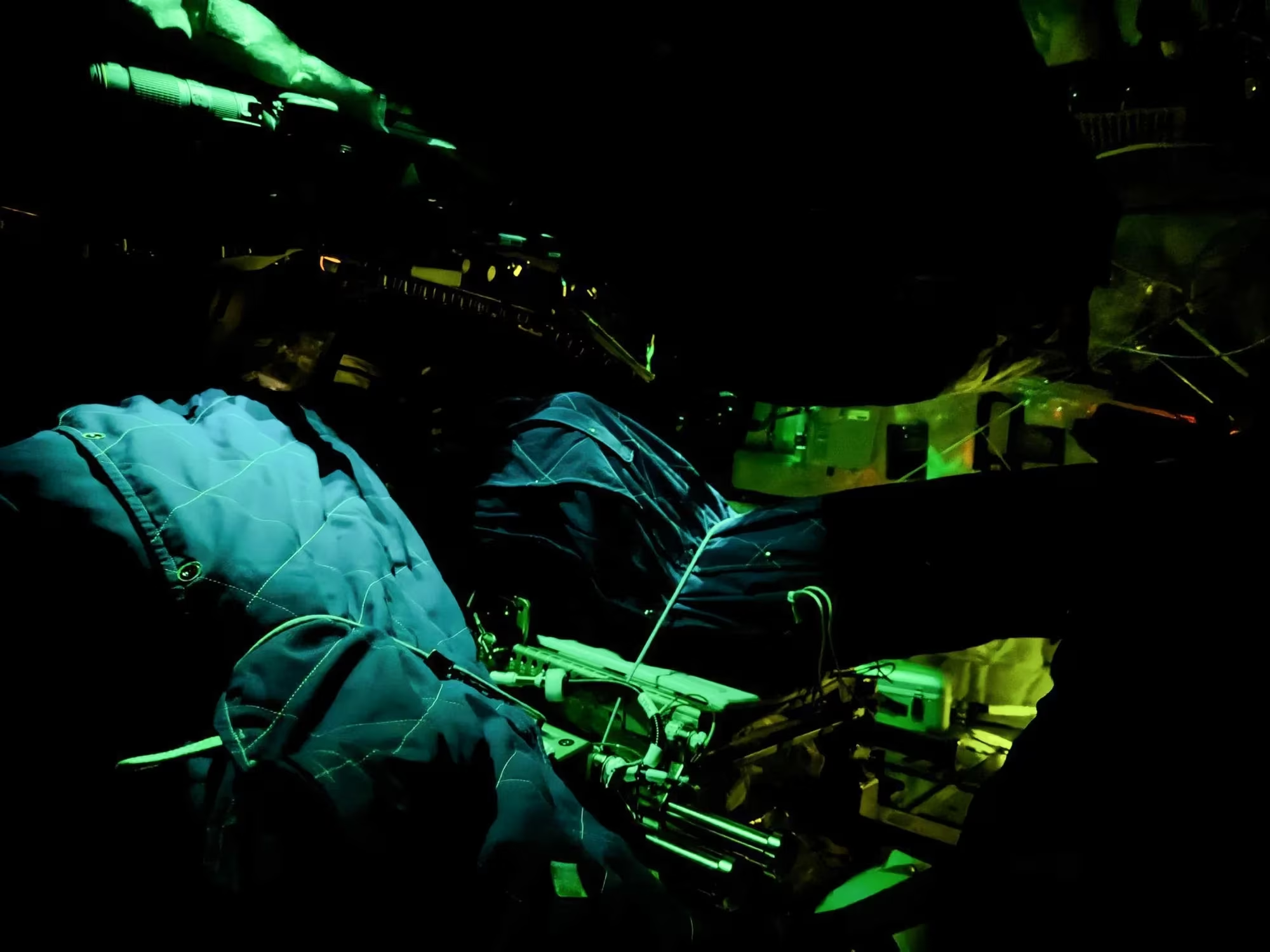
The sleeping bags of the Artemis II crew members inside the Orion spacecraft on the fifth day of the mission.
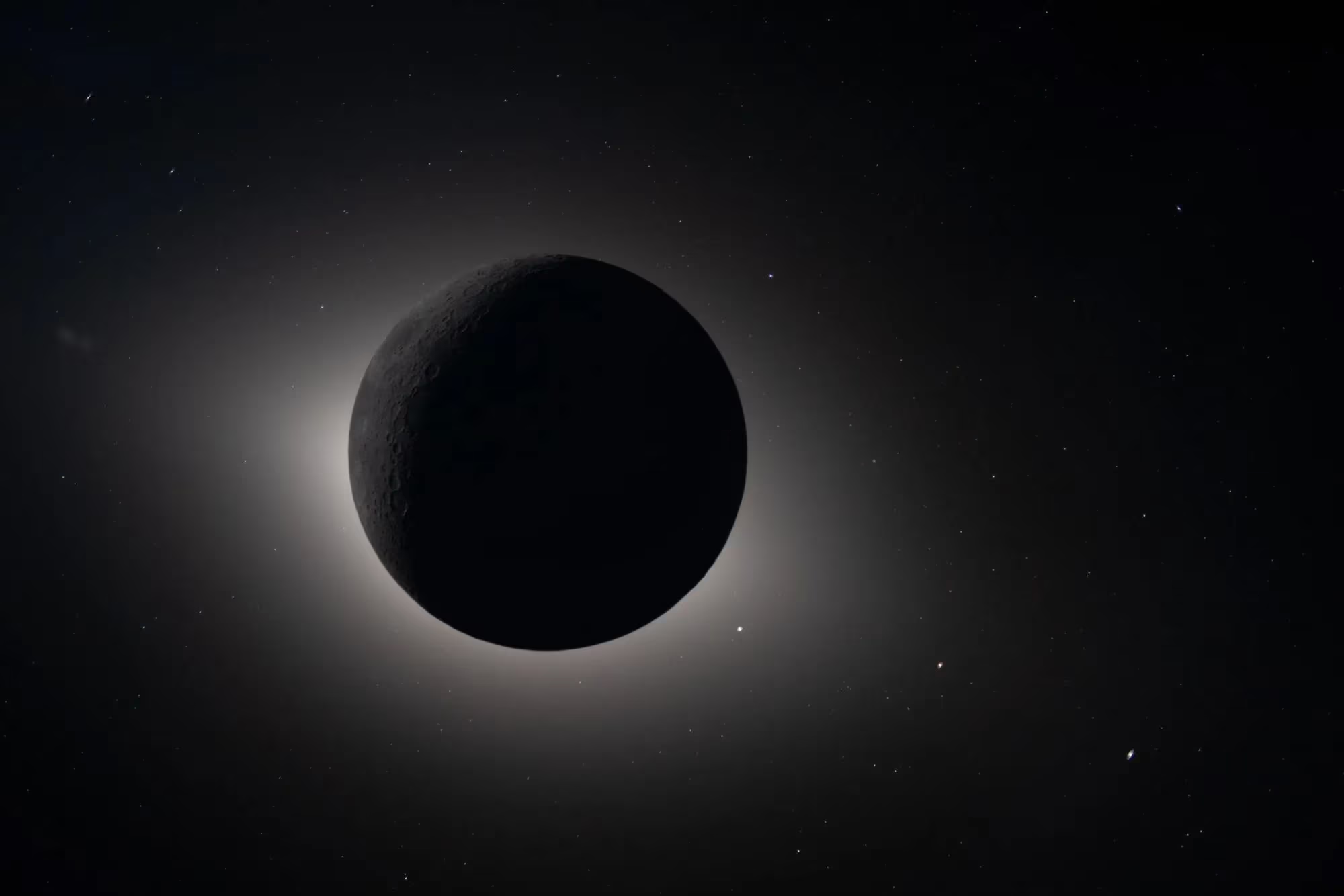
The moon completely obscures the sun. From the crew’s perspective, it appears large enough to cover the entire solar disc, creating nearly 54 minutes of darkness and allowing the phenomenon to be observed far longer than is possible from Earth.
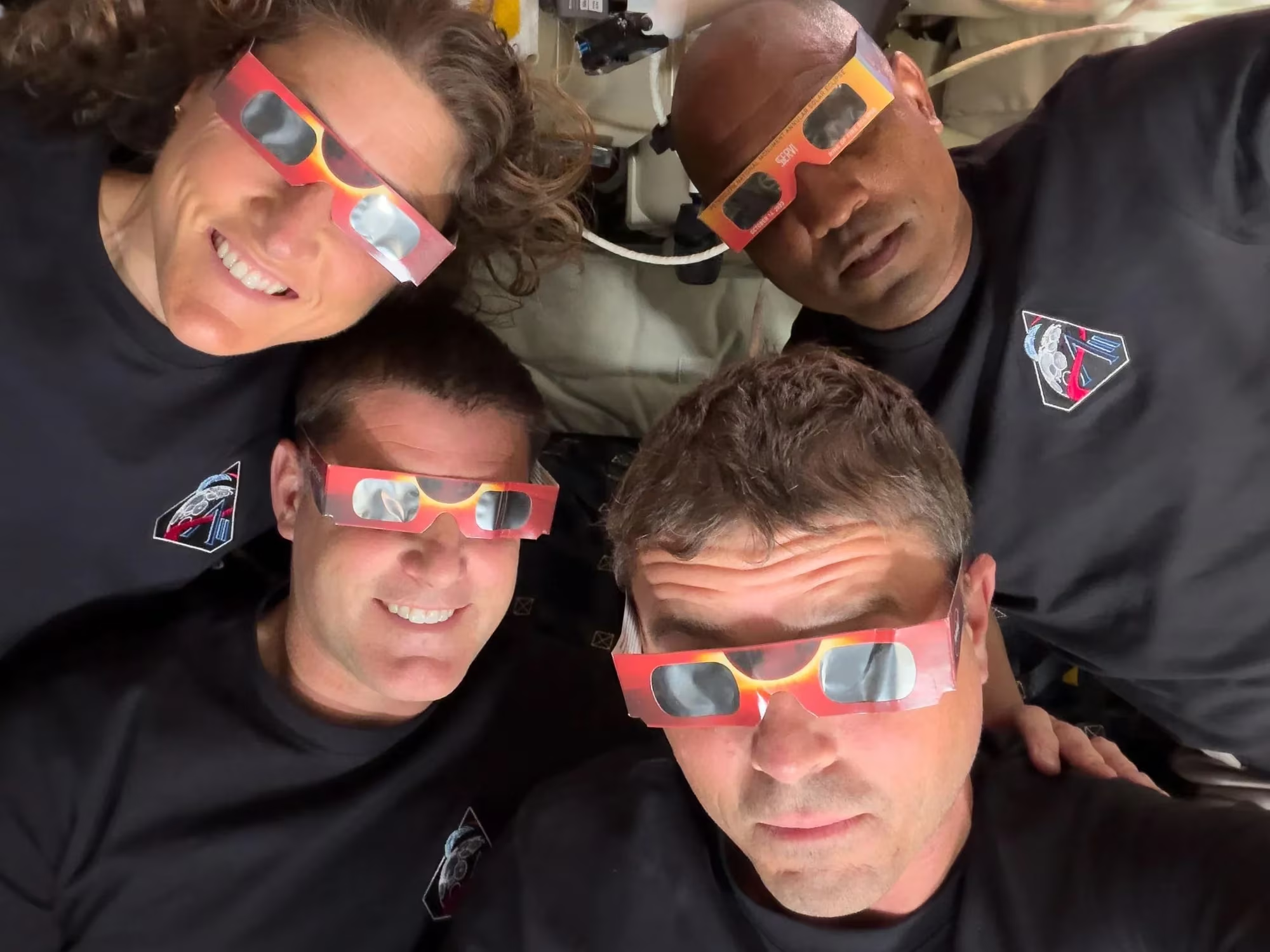
The Artemis II crew members use special filters to protect their vision during key moments of the solar eclipse as they fly around the moon. Top left—mission specialist Christina Koch; bottom left—Jeremy Hansen; bottom right—commander Reid Wiseman; top right—pilot Victor Glover.
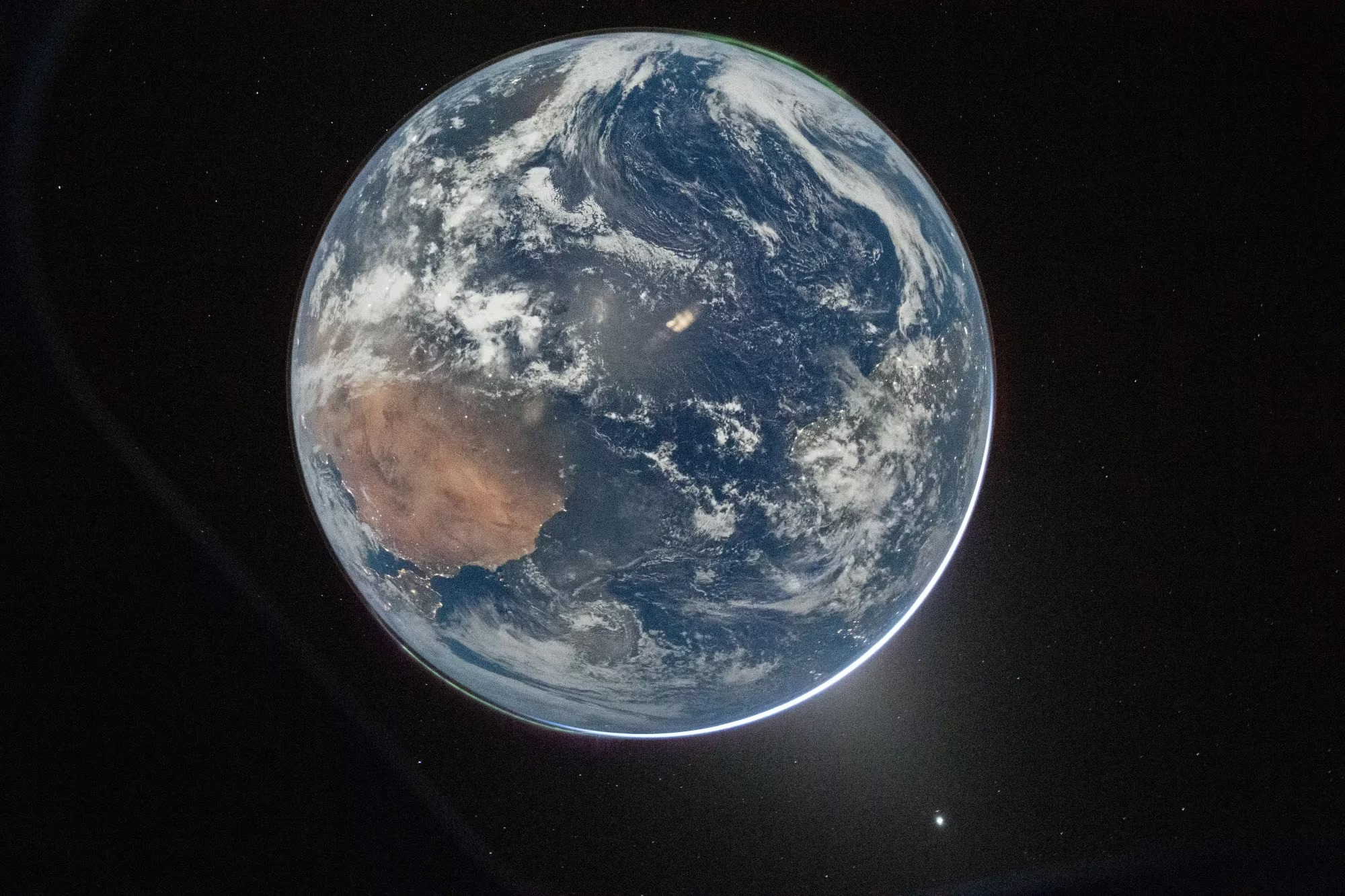
Two auroras—at top right and bottom left—and zodiacal light at bottom right are visible against the backdrop of the sun being eclipsed by Earth; Venus can also be seen at bottom right. The image was taken by Artemis II commander Reid Wiseman after the translunar injection burn. April 2.