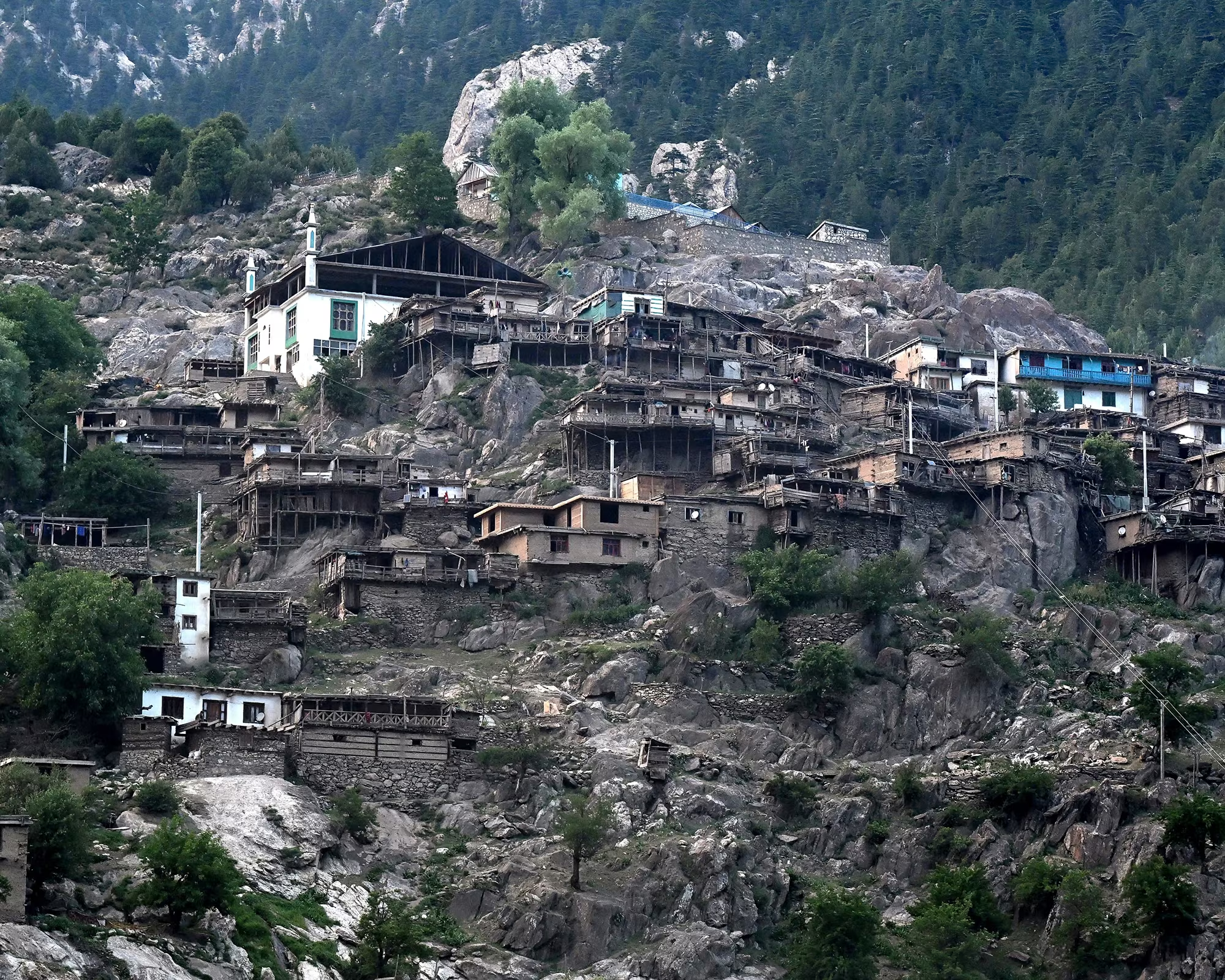
Flooding in Afghanistan’s Nuristan province has killed at least 20 people and injured more than 80 others, the national disaster-management authority reported Monday.
In Parun, the provincial capital, 105 people are missing, including the mayor, according to Nuristan governor’s spokesperson Fereydoun Samim.
The city lies in a remote area of northeastern Afghanistan. Journalists familiar with the area said Parun’s market, shops and other buildings stood near the river.
Ashiqullah Safi, the head of a nongovernmental organization operating in the city, said the water had “completely destroyed the municipal section of the city,” including hotels and dozens of commercial premises.
The floodwaters carried large boulders into Parun. Residents are trying to find the missing on their own without the necessary equipment, Safi added.
Afghanistan’s disaster-management authority reported “severe material and human losses.” Rescue operations, the evacuation of the injured and the search for victims’ bodies are continuing in the city.
Afghan government chief spokesperson Zabihullah Mujahid confirmed reports of casualties and property destruction on X.
In early July, Matiul Haq Khalis, head of Afghanistan’s environmental-protection agency, said flooding in the country had become more frequent. Environmental problems, he said, had “seriously affected the Afghan people and contributed to the country’s humanitarian crisis.”
Extreme rainfall is becoming more frequent and intense across much of the planet because of the human-caused climate crisis. Warmer air can hold more water vapor, increasing the likelihood of severe downpours.